Advertisement
Traditional cooking methods that turn tough meat into tender, flavourful meals
19th May, 2026 08:42 AM
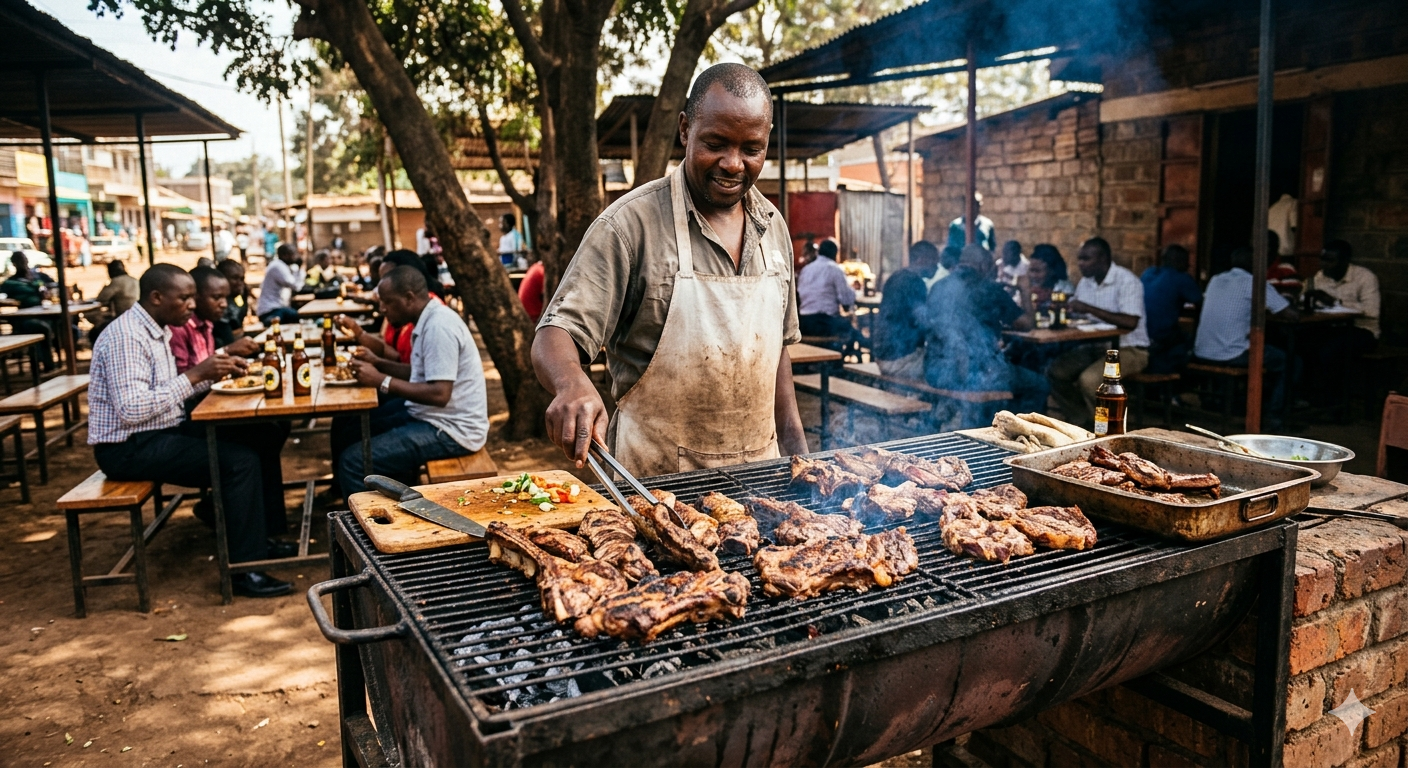
In many Kenyan homes, tender meat has never depended on owning modern kitchen gadgets. Long before pressure cookers became common, families relied on traditional cooking knowledge passed down through generations to turn even the toughest cuts into meals worth gathering around. Traditional slow-cooking remains one of the most reliable ways to soften meat naturally.
Whether it is goat meat simmering over a charcoal jiko, beef stewing slowly in a sufuria, or nyama choma patiently roasting over glowing embers, the secret has always been simple: time, technique and patience.

Slow simmering over low heat
One of the oldest methods used across Kenyan kitchens is slow simmering. Tough cuts like mbuzi ribs, beef brisket or cow leg contain a lot of connective tissue. When cooked too quickly over high heat, these tissues tighten and become chewy.
Traditional cooks know that keeping the meat on low heat for a long period makes the meat softer and richer in flavour. This explains why many rural households still prepare meat stews by letting them bubble gently for hours over charcoal.
Research published by the Agriculture Institute shows that moist heat cooking remains one of the most effective ways to tenderise tough cuts because it slowly loosens muscle fibres without drying the meat out. Slow cooking helps retain moisture while improving texture.
Adding enough water or stock and keeping the pot covered allows the steam to soften the fibres even further.

Using natural local tenderisers
Before commercial tenderisers became common, many Kenyan kitchens depended on natural ingredients found at home. Raw pawpaw remains one of the most trusted traditional meat softeners. It contains papain, a natural enzyme known to break down proteins. Some cooks rub crushed green pawpaw directly onto meat, while others wrap meat in pawpaw leaves before cooking.
Other common tenderising ingredients include lemon juice, fermented milk and light vinegar marinades. Traditional food preparation often uses natural biological processes to improve meat texture while preserving flavour. The key is balance. Too much acidic marinade can affect the meat’s structure and leave it too soft.
Controlled charcoal heat and resting the meat
Kenyan nyama choma lovers understand that rushing meat over intense flames often leaves the outside burnt while the inside stays tough. Traditional charcoal cooking works best under steady medium heat. Turning the meat slowly allows even cooking and helps the fibres relax.
Another overlooked step is resting cooked meat before serving. Allowing meat to sit for several minutes helps juices settle back into the fibres. Traditional cooking proves that good food is rarely rushed.