Advertisement
How Kenyan traditional foods tell the story of culture
28th April, 2026 07:25 PM

While the cultural diversity of Kenya is commonly expressed in language and cultural practices, it is in the realm of food that the culture of Kenya is quietly celebrated.
In each and every region in Kenya, the culture of the people is preserved through food, as families prepare meals from recipes handed down through generations.
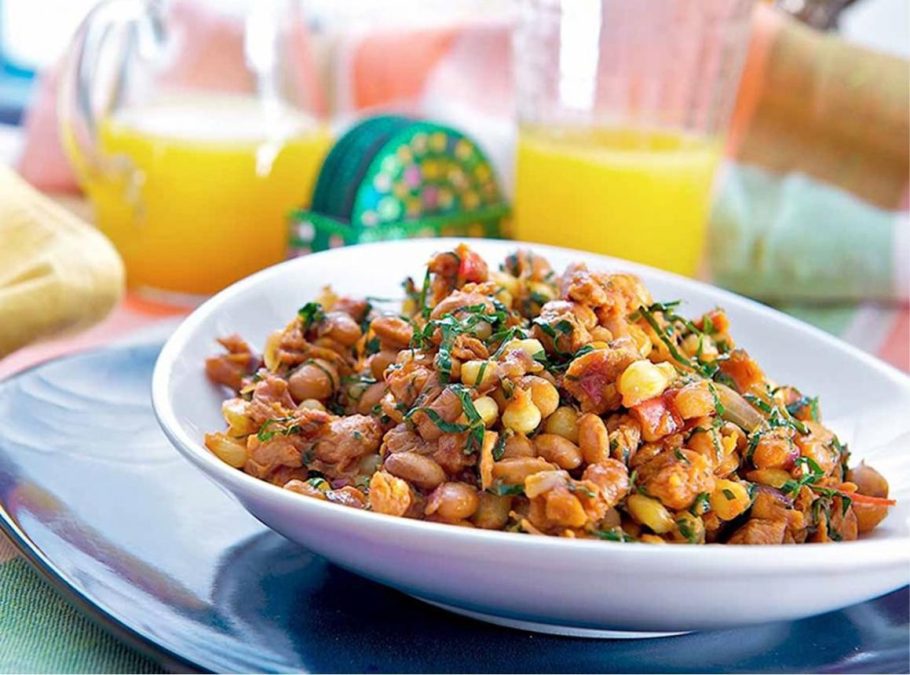
The people of Central Kenya do not believe in the style of cooking but prefer foods that are native to the region. Within the Kikuyu culture of Central Kenya, githeri is one of the common meals consumed in households. Githeri is a combination of boiled maize and beans.
It is relatively cheap and easily available, making it a popular choice for schoolchildren who eat at school. Another common meal within the same community is the irio, which is prepared by boiling maize, potatoes, and peas. It is usually served together with the stew.
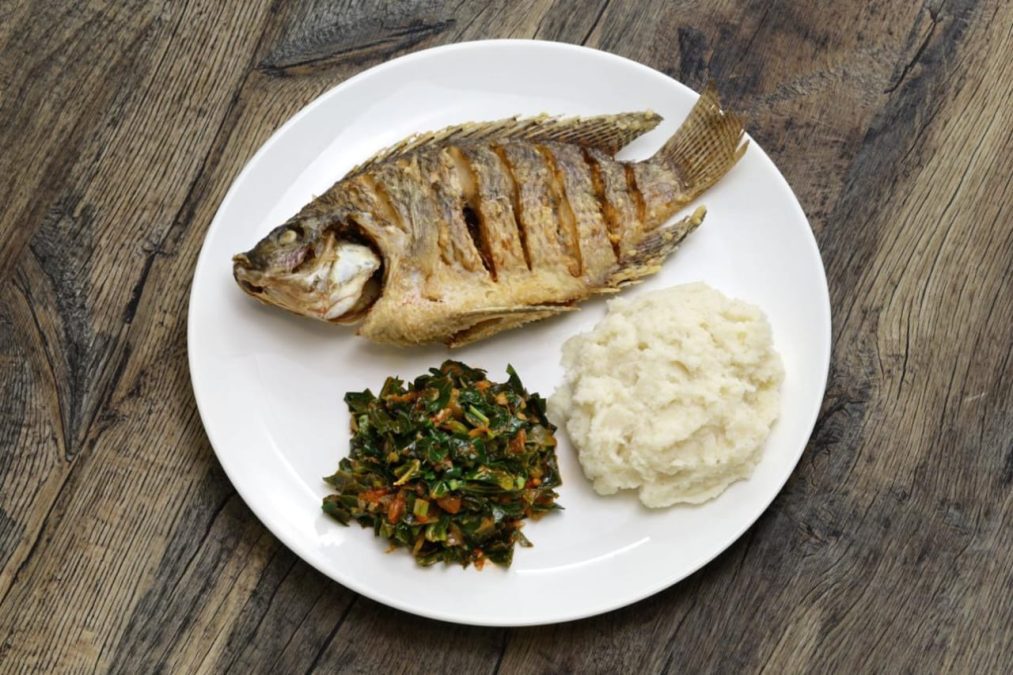
When you move to Western Kenya, the food gets bolder and more connected to the area. People who live around Lake Victoria in the Luo community eat fish almost every day. Ugali served with fried tilapia is not only a popular dish, but it is also a part of the culture of the area.
Ingokho (traditional chicken) is important to the Luhya culture and is often made for guests or special events. An elder from Kakamega says, “You don’t just eat chicken; it’s served with purpose.” This shows how food is connected to respect and community.
Kenyan food tastes very different at the Coast. Swahili food is full of spices and flavour because of years of trade. People usually save meals like pilau and biryani for special occasions. They are cooked slowly with fragrant spices like cardamom and cloves.
People in towns like Mombasa eat street foods like viazi karai and mahamri every day.”Food here is about flavour and patience. You don’t hurry a good pilau,” Ali Bakari, a local chef, stated in a past interview.
Traditional food in the Rift Valley shows how people lived as farmers. For the Kalenjin, mursik is a fermented milk drink that is kept in special gourds. It is both a daily drink and a cultural symbol.
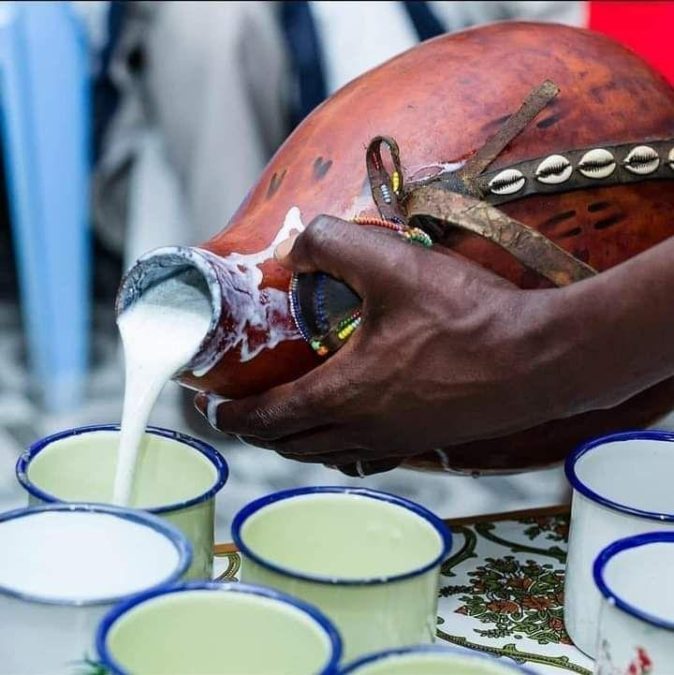
In Northern Kenya, where the weather varies, people have changed their diets to stay alive. Animals are very important, and camel milk is a major source of food. Many homes have dishes like anjero, a soft flatbread, and sambusa that show Somali influence. The food here may look simple, but it shows how people can adapt and be strong.
Across all these regions, one thing remains constant: food is more than just nourishment. It is a reflection of identity, history, and connection.
As one chef put it, “You can’t separate people from their food. That’s where the real story is.”