Advertisement
Right way to clean matumbo before cooking, and why most people skip the step
16th August, 2026 11:45 AM
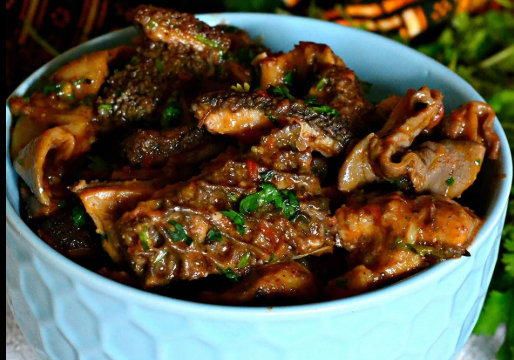
Tripe, which is commonly known as Matumbo, has remained a favourite in many Kenyan homes for generations. Whether it is prepared in a rich tomato stew, fried with onions and spices, or served alongside ugali, the dish continues to hold a special place on many dining tables.
Many home cooks focus on the seasoning and cooking method while paying little attention to preparing the tripe before it reaches the saucepan. The result is a meal that may carry an unpleasant smell, a tougher texture, and flavours that overpower the entire dish.
According to the Food Standards Agency, tripe requires thorough processing and cleaning because it is an edible by-product obtained from the stomach of cattle and must be handled carefully to maintain food safety standards.
Why matumbo needs extra attention
Unlike ordinary cuts of beef, matumbo comes from the stomach lining of cattle. Its folded surface can trap tiny particles, mucus, fat, and other impurities.
This unique structure explains why cleaning cannot be treated as a quick rinse under running water. Many people assume that matumbo bought from a butcher is already clean and ready to cook. In reality, even pre-cleaned tripe often needs additional preparation at home.
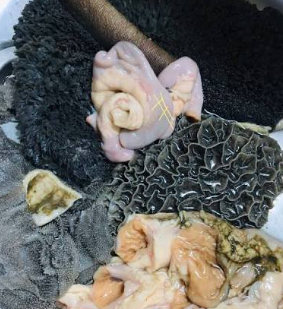
According to Chef’s Resource, tripe usually requires a second round of cleaning to remove any remaining fat, residue, and strong odours that may affect the final meal.
Skipping this step may not only affect the taste but also change the texture of the food.
The right way to clean matumbo before cooking
The first step is to rinse the matumbo several times under cold running water. This helps remove loose particles from the surface.
The second step involves trimming away any visible fat and removing any tough membranes attached to the outer layer.
After rinsing, many cooks soak the tripe in a mixture of water and either vinegar or lemon juice. The mild acidity helps reduce the strong smell often associated with offal.
Another important step is scrubbing. Because of its folded and uneven surface, matumbo should be rubbed thoroughly to loosen anything trapped inside the layers. A simple rinse may not reach hidden areas.
Many traditional cooking methods also recommend blanching. This involves boiling the tripe for several minutes before discarding the water and rinsing it again. Once these steps are complete, the matumbo can be cut into smaller pieces and prepared using any preferred recipe.
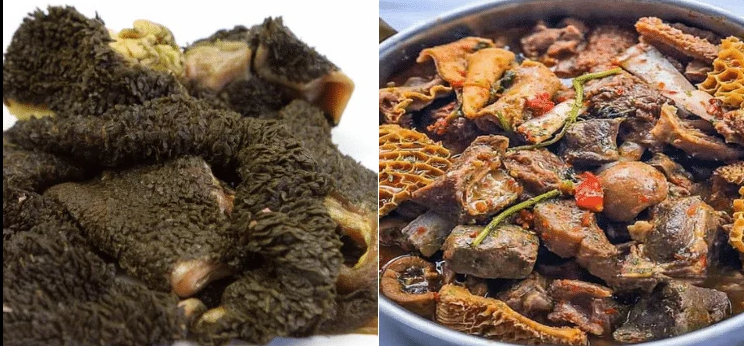
Why many people skip the cleaning stage
Properly cleaning matumbo requires patience. The process may take between 20 and 40 minutes, depending on the condition of the meat. Some people also believe that long cooking times automatically remove impurities. Others depend entirely on the butcher to do all the cleaning.
Another common mistake is assuming that strong spices will mask any unpleasant smell. However, seasoning cannot replace proper preparation. If the tripe has not been cleaned thoroughly, the smell often remains even after hours of cooking.
Good preparation creates better flavour
One of the biggest strengths of matumbo is its ability to absorb flavours from spices, herbs and sauces.
When properly cleaned, it develops a milder taste and a softer texture that blends easily with different ingredients.
Good cooking often begins long before food reaches the cooker. In the case of matumbo, the difference between an average meal and an enjoyable one often comes down to a step many people overlook.