Advertisement
Should you get an air fryer? All to know about everyone’s favourite kitchen gadget
10th September, 2026 08:05 AM
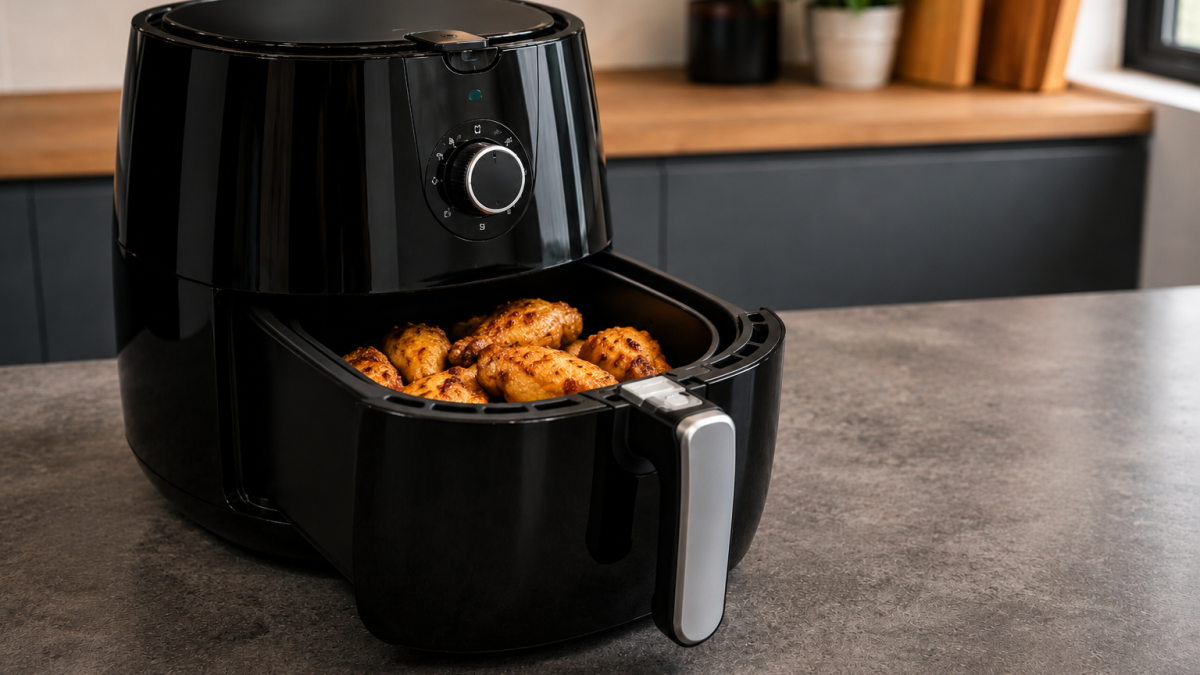
Air fryers have moved from niche luxury items to everyday essentials in Kenyan kitchens. From Nairobi estates to households across major towns, the countertop appliance is fast replacing traditional cooking methods.
Home cooks use them to make everything from crispy chicken and chips to local staples like arrowroots (nduma), sweet potatoes, roasted plantains, and reheating mukimo.
Whether preparing quick weeknight dinners or reheating weekend leftovers, the appliance has transformed daily food preparation.
The math – electricity and cooking oil
A major factor behind this popularity is household running costs. Under Kenya Power domestic tariffs, electricity costs between Ksh20 and Ksh28 per kilowatt-hour (kWh) inclusive of taxes and levies.
A standard 1,500-watt air fryer running for 20 minutes consumes about 0.5 kWh, costing between Ksh10 and Ksh14 per meal.
By comparison, a typical 2,500-watt electric oven requires 15 minutes of preheating and 45 minutes of baking. That consumes roughly 2.5 kWh of power, running up a bill of Ksh50 to Ksh70 for a single meal.
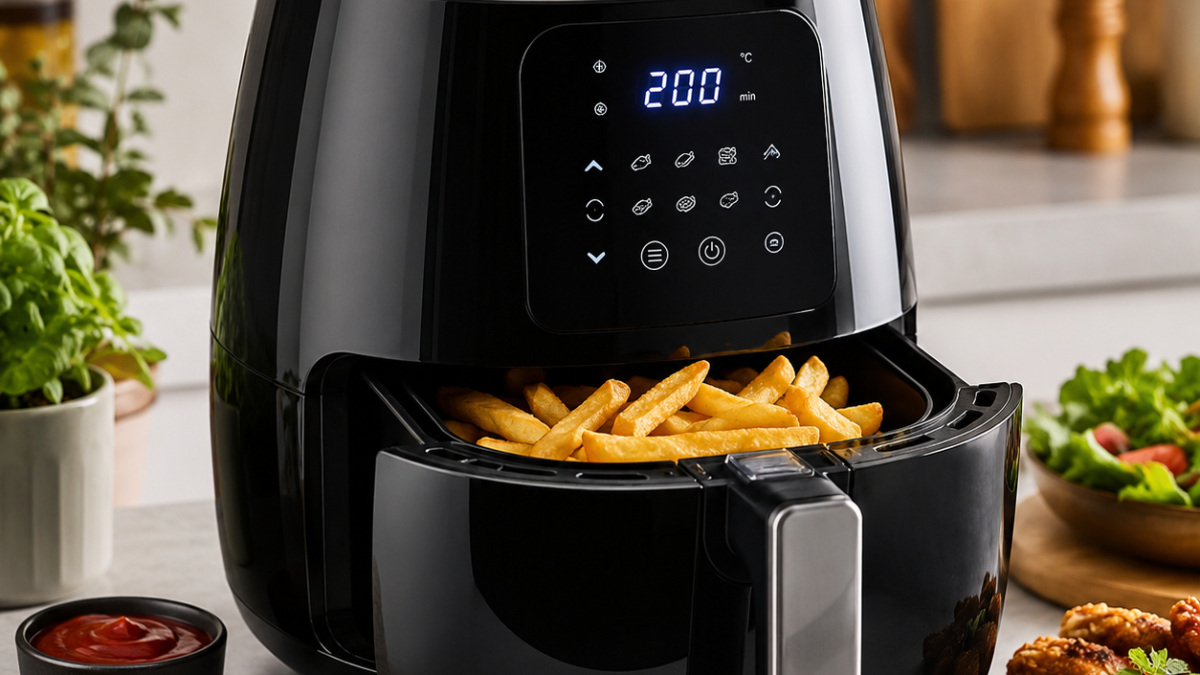
The comparison with deep frying is even more striking when factoring in cooking oil. A 3-litre container of vegetable cooking oil costs between Ksh600 and Ksh800 in local supermarkets.
Deep frying requires submerging food completely, using up litres of oil over a short period. Air fryers require only a single teaspoon or light spray of oil per batch, cutting down monthly kitchen shopping expenses.
Over a few months, those oil savings cover a significant portion of the initial appliance purchase cost.
What food science research shows
Beyond budget savings, health benefits drive purchases. Peer-reviewed research on cooking techniques published in PMC notes that “air fryers, which have become widely used as an alternative to deep frying in recent years, provide French fries with less oil” while achieving a comparable crisp texture.
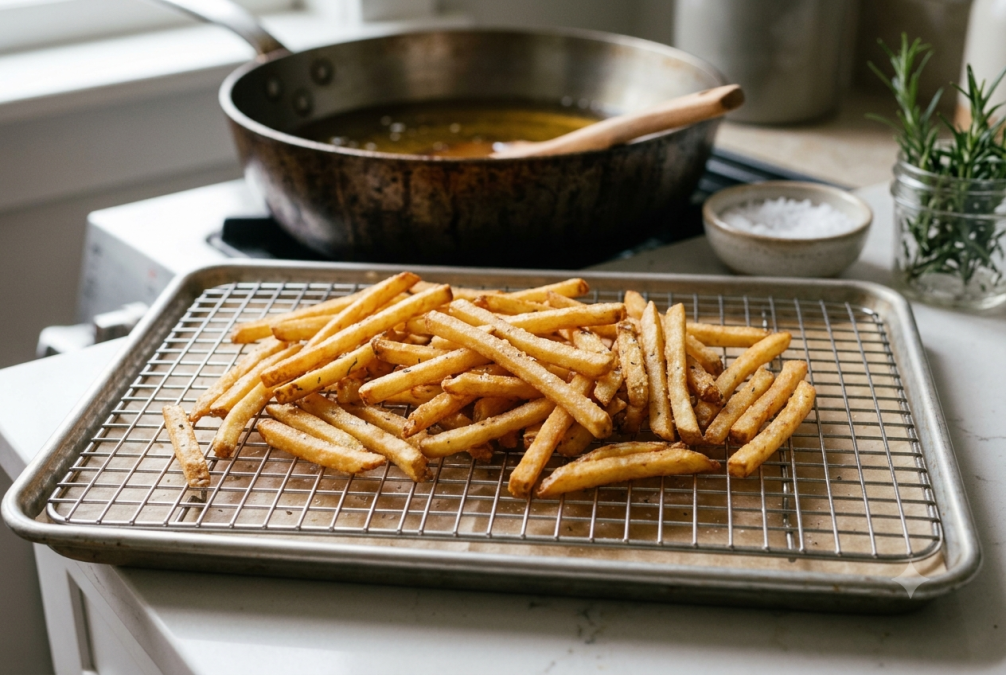
Because convection heating circulates hot air rapidly around the food, it browns surfaces without soaking ingredients in fat. For busy households seeking quick meals, lower power bills, and reduced oil intake, the appliance offers practical daily value.
Appliance distributors continue importing larger shipments to keep up with local demand.