Advertisement
Beyond milk: How rising costs are changing what Kenyans eat for breakfast
09th September, 2026 01:04 PM

For many Kenyan households, breakfast has traditionally meant a cup of tea with milk, bread, porridge or sometimes eggs. But as the cost of everyday essentials continues to put pressure on household budgets, that familiar morning routine is increasingly being reconsidered.
The change is not simply about what families prefer to eat. It is increasingly about what they can afford.
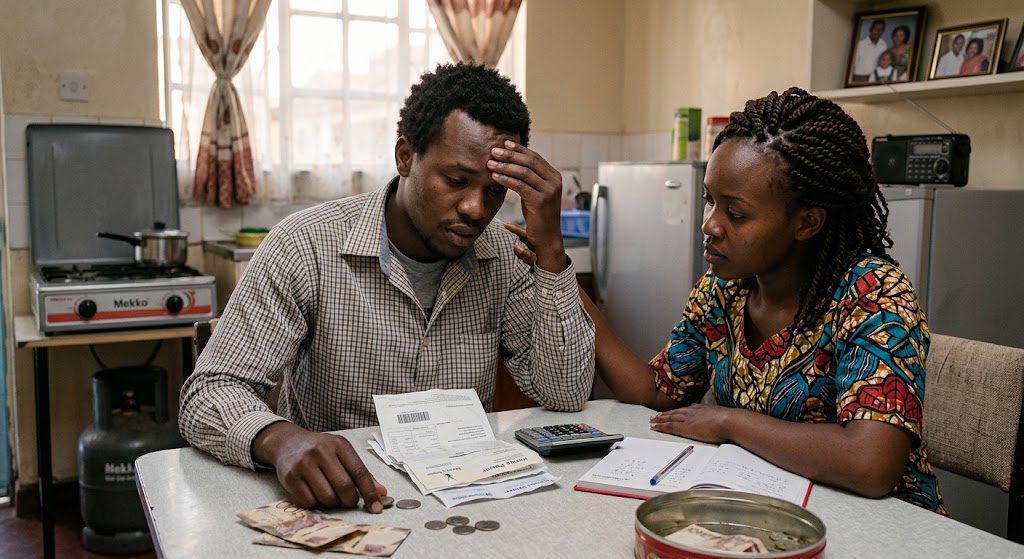
A recent TIFA finding provides a wider picture of the financial pressure facing households. According to the survey, 64 per cent of Kenyans say their economic conditions have worsened since the 2022 election. That sense of financial strain is increasingly reflected in ordinary decisions, including what goes onto the breakfast table.
When milk becomes a calculation
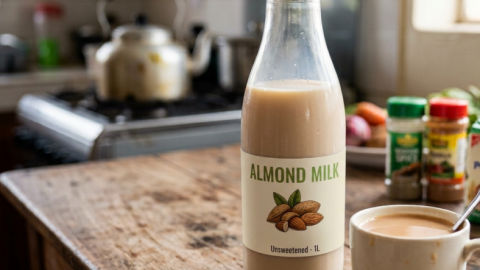
Milk is one of the clearest examples of how rising costs can change everyday eating habits. Recent reports have shown consumers and food vendors feeling the pressure of higher milk prices, with some vendors reducing the amount of milk used in tea to avoid increasing prices for customers.
For a household buying milk every day, even a seemingly small increase can become significant when added to the monthly food budget.
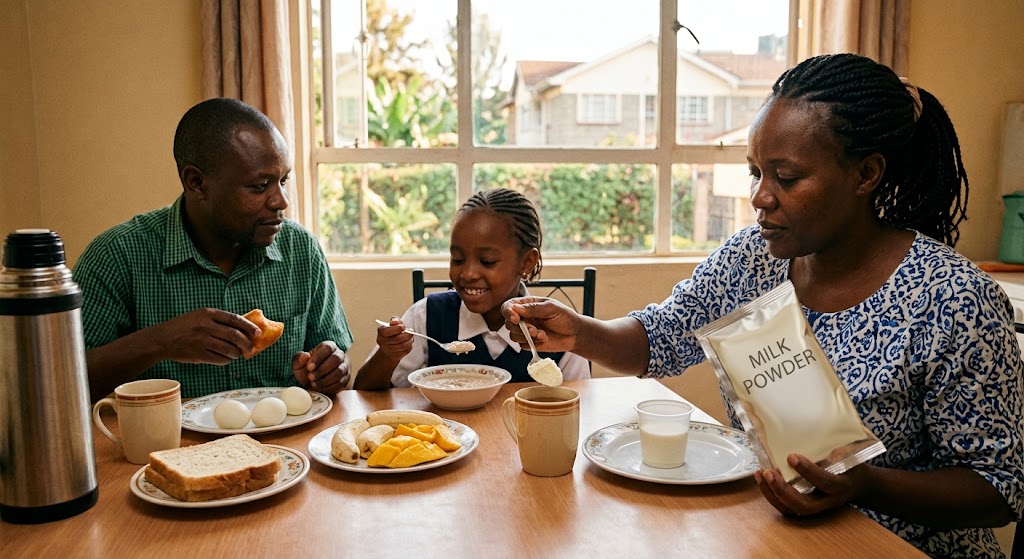
The result is that some families may choose to buy smaller quantities, use less milk in tea or porridge, or skip it altogether on some mornings. Others may turn to black tea, porridge prepared without milk or other cheaper breakfast combinations.
The trend comes as food remains a major source of pressure for Kenyan households. The Kenya National Bureau of Statistics reported that food and non-alcoholic beverages inflation stood at 8.6 per cent in June 2026, meaning the category was significantly more expensive than a year earlier.
From the usual breakfast to cheaper alternatives
When budgets become tighter, breakfast can become less about variety and more about stretching what is available.
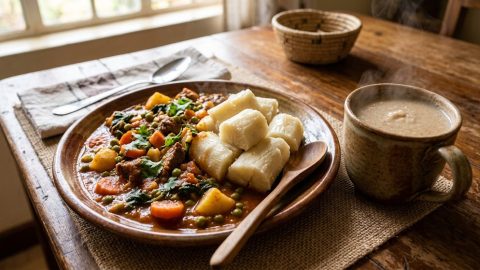
Bread may be replaced with homemade mandazi, while tea can be made with less milk. Some households may opt for porridge because a small amount of flour can serve several people. Others may prioritise filling foods such as sweet potatoes, bananas or leftovers from the previous evening.

These changes may appear small, but they reveal how economic pressure influences everyday routines.
For many families, the question is no longer simply: What do we feel like having for breakfast? It is: What can we afford to put on the table this morning?
The changing breakfast plate therefore offers a glimpse into the wider cost-of-living story. As the TIFA findings show, the feeling of being financially worse off is not only reflected in major purchases. It can also be seen in something as ordinary as the amount of milk poured into a morning cup of tea.