Advertisement
What research says about the ideal age gap between children
10th July, 2026 01:19 PM

Ask ten parents what the ideal gap between children is and you will get ten different answers, usually shaped by family pressure, finances or simply how quickly the last pregnancy happened.
But there is actual research on this, and it offers a more grounded answer than tradition or in-law opinion ever will.
What the research actually shows
A 2022 review published in Frontiers in Pediatrics pulled together the strongest available studies from high-income countries on how birth spacing affects children beyond infancy, right through early childhood.
The reviewers found that children born too soon after an older sibling tended to score lower on school readiness and language measures, while very wide gaps came with their own trade-offs, including less sibling closeness.

The review’s authors concluded that “evidence suggests that the adverse effects of sub-optimal birth spacing are observable beyond infancy.”
In plain terms: the timing of a second or third pregnancy can still shape a child’s development well past their first birthday, even if the science is not yet settled on exactly how much.
Separately, the World Health Organization recommends waiting at least 24 months after a birth before the next pregnancy, largely to protect maternal health and reduce risks such as low birth weight and preterm delivery.
Put together, most researchers converge on a two-to-three-year window as the sweet spot: close enough that siblings grow up as genuine playmates, far enough apart that mother and baby both get a proper physical recovery.
What this means for Kenyan families
In Kenya, the pressure to “give this one a sibling soon” often comes from relatives rather than medical advice. That pressure can push couples into spacing that the evidence does not actually support.
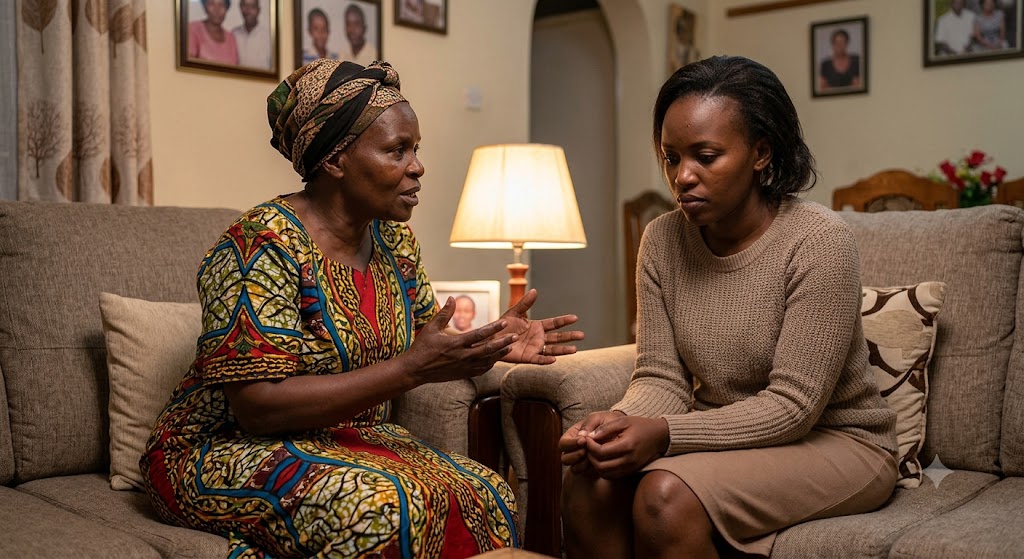
Having this research in hand is about giving couples a reason, grounded in evidence rather than opinion, to plan pregnancies at a pace that works for their bodies and their household.
As Wahu Kagwi reminded fans recently, the early years of a child’s life are less about milestones and more about presence. Whatever gap a family chooses, the research is a helpful data point, not a deadline.