Advertisement
How parents can help children recognise unsafe behaviour
30th July, 2026 05:14 PM
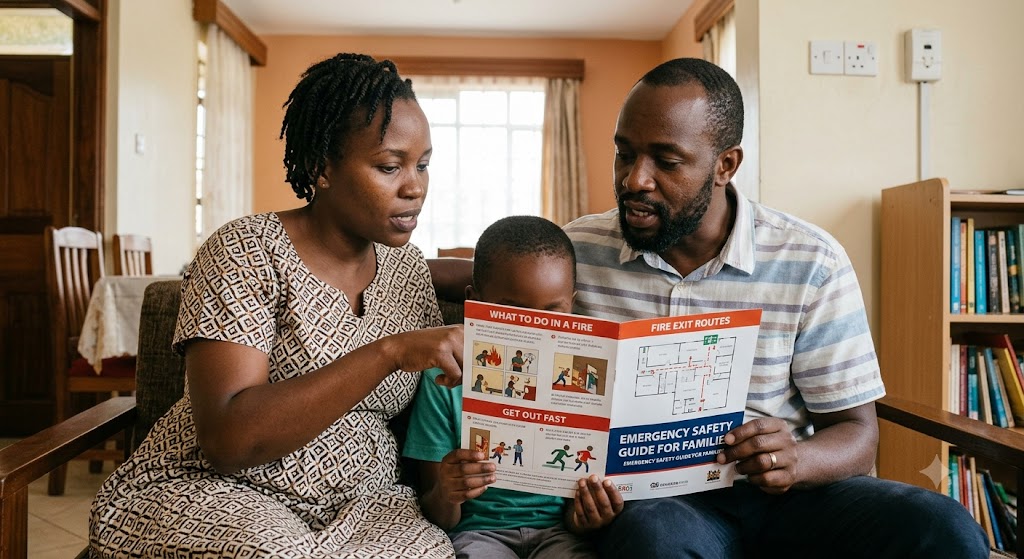
Every parent wants to keep their child safe. The instinct to protect is natural and powerful, especially in a world where stories about abuse, exploitation, bullying, and online dangers appear almost daily.
In response, many adults rely on warnings designed to frighten children into being cautious: “Don’t talk to strangers,” “Be careful,” “The world is dangerous.” While these warnings may come from a place of love, fear alone is rarely enough to keep children safe.
Protecting children from harm requires shifting focus away from fear-based warnings toward open, ongoing communication. For generations, traditional warnings centred on intimidating scenarios or strict rules about strangers.
However, child safety experts emphasise that relying on fear can isolate children, making them hesitant to report uncomfortable situations. Building genuine safety relies on creating a supportive environment where awkward or sensitive topics are discussed calmly and regularly.
Effective protection begins when parents and guardians teach clear concepts of body autonomy, personal boundaries, and consent from an early age. Using correct anatomical terms and teaching children that their bodies belong to them helps establish clear expectations for personal safety.
When children understand that no topic is off-limits, they are far more likely to seek help from trusted adults whenever they encounter confusing or inappropriate behaviour.

Moving beyond fear tactics
Scare tactics often backfire because abusers are rarely ominous strangers; statistics show that harm frequently originates from familiar environments or known individuals.
Teaching children to identify unsafe actions rather than unsafe places equips them with practical awareness. Simple rules, such as identifying a network of trusted adults or understanding that secrets regarding personal boundaries are never acceptable, give young people actionable tools rather than abstract anxieties.
Open dialogue must evolve alongside a child’s development. As children grow into teenagers and spend more time online, safety conversations naturally expand to cover digital privacy, cyberbullying, and healthy relationships.
Parents who maintain a calm, non-judgmental response to tough questions build lifelong trust with their children.
Creating a safe home atmosphere requires continuous practice, patience, and active listening. When adults initiate difficult conversations with clarity and empathy, children internalize the confidence needed to navigate challenges safely, ensuring their protection remains rooted in knowledge rather than fear.