Advertisement
5 simple hygiene practices women should follow during their periods
23rd September, 2026 11:18 PM
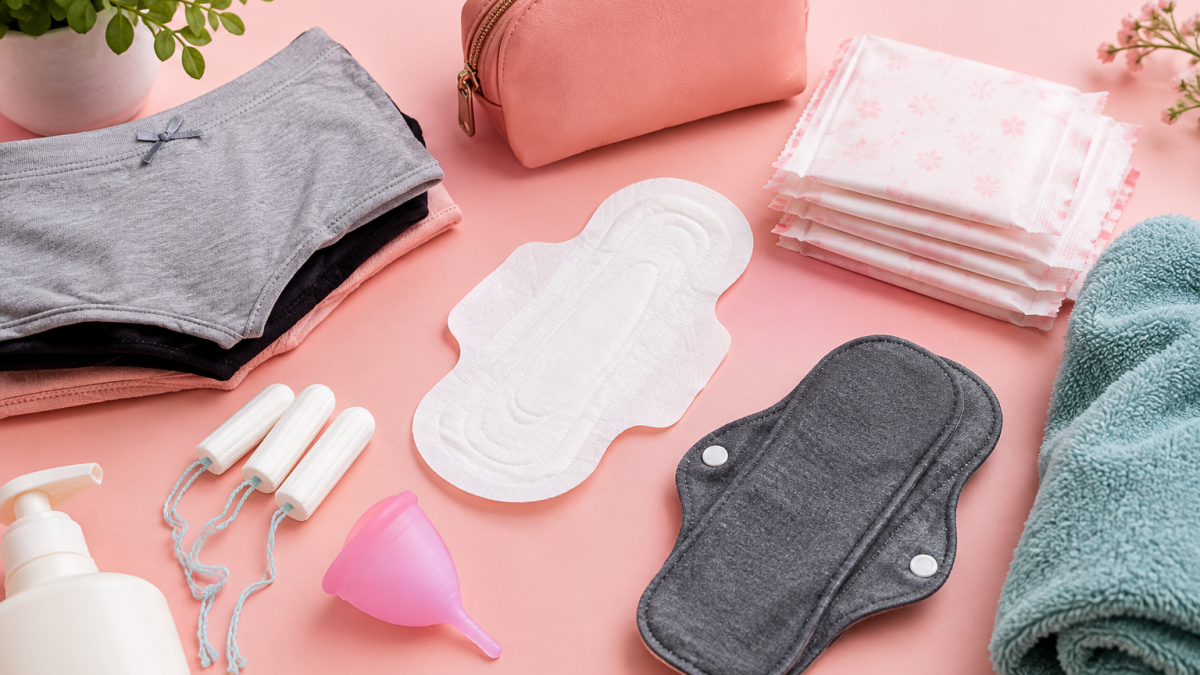
Periods come with enough drama. Between cramps, unexpected leaks and the sudden craving for everything sweet, poor hygiene should not join the party. A few thoughtful habits can help women stay fresh, comfortable and confident throughout those days.
Menstrual hygiene is not about using expensive products or washing excessively. It is about caring for your intimate area, choosing clean menstrual products and paying attention to changes in your body. Here are five practical habits every woman should consider.
Change your sanitary pad regularly
A sanitary pad is not designed to become a permanent resident of your underwear. Leaving it on for too long can cause discomfort, moisture buildup and skin irritation.
Change your pad every few hours, or sooner when it becomes wet or heavily soiled. Women with heavier flows may need to change more frequently to prevent leaks and discomfort.
If you use tampons, follow the manufacturer’s instructions and never leave one in for more than eight hours. Menstrual cups should also be emptied and cleaned according to their instructions.
Make sure you wash your hands before and after changing your menstrual product. This small step helps maintain cleanliness and reduces the transfer of germs.
Wash your intimate area gently
During menstruation, blood and sweat can leave you feeling less fresh than usual. However, that does not mean you need to scrub your intimate area repeatedly or use heavily scented products.
The vagina cleans itself naturally. Clean the external genital area, known as the vulva, gently with water. If you use soap, choose a mild, fragrance-free option that does not cause irritation.
Avoid douching, vaginal deodorants and scented feminine washes. These products may irritate sensitive skin or interfere with the natural vaginal environment.
After washing, gently pat the area dry using a clean towel. The goal is to feel clean and comfortable, not to turn your bathroom routine into a full-scale cleaning operation.
Wear fresh underwear every day
Your underwear deserves attention during your period, especially when you experience sweating, leaks or prolonged dampness.
Change into clean underwear daily and replace it sooner if it becomes stained or uncomfortable. Breathable fabrics, such as cotton, may help reduce moisture and friction.
If you are heading to work, the gym or a long day out, consider carrying an extra pair of underwear in your bag. It is one of those small preparations you appreciate when your period decides to be unpredictable.
For women who use reusable period underwear, wash the garment according to the manufacturer’s care instructions. Ensure it is thoroughly cleaned and dried before wearing it again.
Fresh underwear can improve comfort and help prevent irritation caused by prolonged exposure to moisture.
Dispose of used menstrual products properly
Menstrual hygiene extends beyond your body. It also includes how you handle used sanitary products.
Wrap used disposable pads and tampons in toilet paper, their original packaging or a disposal bag before placing them in a rubbish bin. Never flush them down the toilet because they can cause blockages.
If you use reusable pads or period underwear, clean them carefully according to their washing instructions. Menstrual cups should also be cleaned and sanitised as directed.
Keep a small disposal bag in your handbag when using public bathrooms, particularly where waste bins may be limited.
Proper disposal keeps bathrooms cleaner and makes things more hygienic for the next person. After all, the person using the bathroom after you deserves a pleasant experience too.
Avoid scented products and watch for unusual symptoms
Some women use scented wipes, sprays and intimate washes to feel fresher during their periods. However, fragrance is not a requirement for good hygiene, and these products can irritate the vulva.
Choose gentle, fragrance-free products where possible, and discontinue anything that causes burning, itching or discomfort.
It is also important to recognise unusual changes in your body. Persistent itching, burning, unfamiliar strong odour or unusual discharge may require assessment by a healthcare professional.
Do not attempt to cover unusual symptoms with perfume or repeated washing. If you experience severe period pain, unusually heavy bleeding or other concerning changes, seek medical advice.
Understanding what is normal for your body can help you identify when something needs attention.