Advertisement
Warning signs mothers should not ignore after C-Section
02nd June, 2026 10:21 PM

A Caesarean section is a major surgical delivery procedure, and recovery requires close attention in the days that follow.
While many mothers heal well, complications can develop quickly if warning signs are ignored.
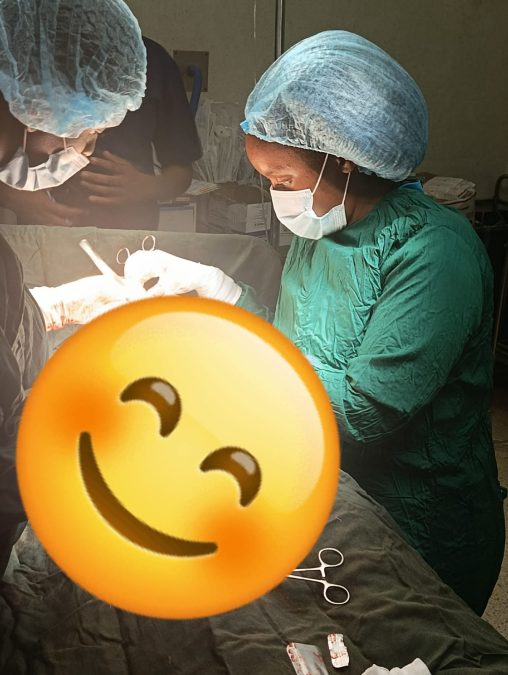
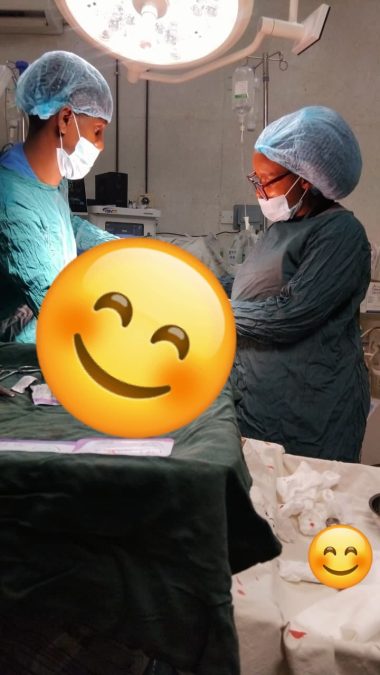
Speaking to K24 Digital’s David Nthua on Tuesday, June 2, 2026, via WhatsApp interview, Jecinta Wambui Waithaka, a perioperative theatre technologist, shared key warning signs every mother should watch closely after a C-section.
She has experience working at Narok County Referral Hospital and currently supports surgical teams in theatre and provides post-surgery care, including monitoring for wounds and infections.
Increasing pain
One of the earliest warning signs after a C-section is worsening pain instead of improvement.
Jecinta Wambui Waithaka explains:
“If the pain is increasing instead of reducing, that is a red flag.”
She adds that pain combined with other symptoms should raise concern.
“Also fever, heavy bleeding, bad-smelling discharge, or swelling and redness around the wound should not be ignored.”
She further warns that a general feeling of weakness should not be dismissed.
“If a mother also feels weak or unwell, that could be a sign that something is not right, and she needs to be checked.”
Wound changes
The healing of a C-section wound should be steady and progressive, not worsening over time.
Jecinta Wambui Waithaka notes:
“A normal healing wound should gradually become less painful, dry, and start closing well day by day.”
Any deviation from this pattern may signal infection.
“But if I see increasing redness, warmth, pus, or a bad smell, or the pain is getting worse instead of better, then I would suspect infection.”
She adds that the physical opening of the wound is a serious emergency.
“Sometimes the wound may even start opening, and that is also not normal and needs immediate attention.”
Infection signs
Some symptoms after a C-section require urgent medical attention and should never be ignored.
Jecinta Wambui Waithaka is firm on this point:
“The signs I take very seriously are pus or discharge from the wound, spreading redness, severe pain at the incision site, and fever above 38 degrees.”
She stresses that a visibly unwell condition should also raise an alarm.
“If the wound starts opening or the mother looks generally very unwell, those are danger signs and should be acted on immediately.”
Fever after surgery
Fever can sometimes appear shortly after surgery, but timing and severity determine whether it is normal or not.
Jecinta Wambui Waithaka explains:
“Sometimes a mild fever can happen within the first 24 hours after surgery as the body reacts to the procedure.”
However, persistent fever is not normal and should not be ignored.
“But if the fever goes above 38 degrees, or it continues beyond 24 to 48 hours, or comes with wound pain or discharge, then it is no longer normal.”
She advises that such cases require immediate medical review as they may indicate infection.
Expert guidance
According to Jecinta Wambui Waithaka, early attention to symptoms plays a critical role in preventing complications after a C-section.
Most post-operative infections and wound issues can be treated effectively when detected early.
She adds that mothers should avoid self-diagnosing and instead seek medical review whenever unusual symptoms appear.
Beyond theatre work, Jecinta Wambui Waithaka also provides after-surgery care services, including wound assessment and infection monitoring support for post-C-section mothers, helping improve recovery outcomes through early detection and timely intervention.