Advertisement
The difference between a common cold and an asthma attack
08th August, 2026 04:33 PM
Waking up with a tight chest and a continuous cough can make anyone wonder what is going on inside their lungs. Respiratory illnesses are common in Kenya, especially during cold seasons or heavy rainfall.
A common cold and an asthma attack share similar warning signs, but treating them requires very different steps.
Both conditions affect the respiratory system, leading to overlapping symptoms like coughing and chest tightness. However, a cold is caused by a viral infection in the upper airways, whereas asthma involves chronic inflammation of the lower passages in the lungs.
Recognising typical cold symptoms versus asthma
To tell the two conditions apart, look closely at the accompanying signs. A common cold usually develops gradually over a few days. Typical cold symptoms include a sore throat, a runny or blocked nose, sneezing, and a mild fever. These signs show that the body is fighting an upper respiratory infection.
In contrast, asthma primarily targets breathing capacity. Key indicators of worsening asthma include wheezing, which is a high-pitched whistling sound when exhaling, severe shortness of breath, and feeling unable to catch air.
If a person needs their blue reliever inhaler more frequently than usual or finds it hard to speak full sentences without pausing for breath, their asthma is escalating. A cold may cause tiredness, but it will not leave a person struggling to complete a single sentence.

When to seek urgent medical care
Knowing when to seek emergency help can save a life. An asthma attack can quickly become a medical emergency if airway swelling shuts down proper oxygen intake.
Emergency medical care is required immediately if a person experiences extreme difficulty breathing, where the skin between the ribs or around the neck pulls inward during each breath.
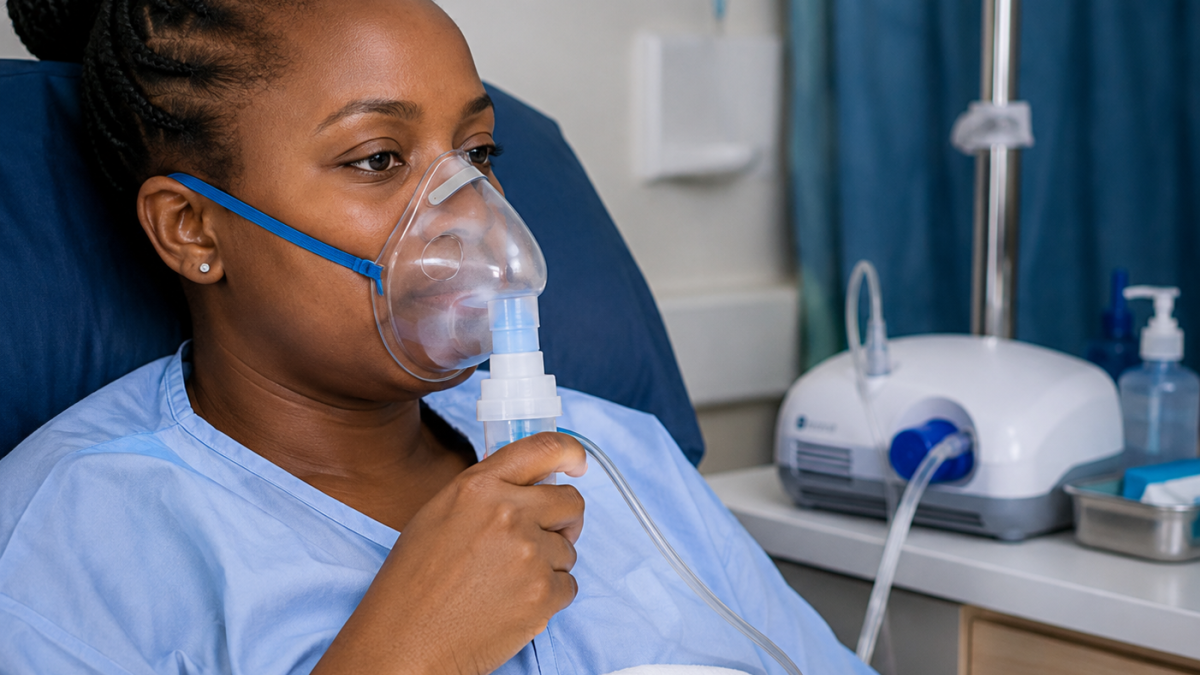
Other critical warning signs include blue or pale lips, confusion, and a reliever inhaler providing no relief after several puffs. In Kenyan health centres and hospitals, emergency treatment often involves oxygen therapy and nebulised medication to open the airways rapidly.
Delaying care during a severe flare-up increases the risk of serious complications. Understanding these key differences ensures timely home care for a simple cold and immediate hospital intervention for a life-threatening asthma attack.