Advertisement
What happens to your body in the hours after eating a large meal
03rd July, 2026 01:39 PM
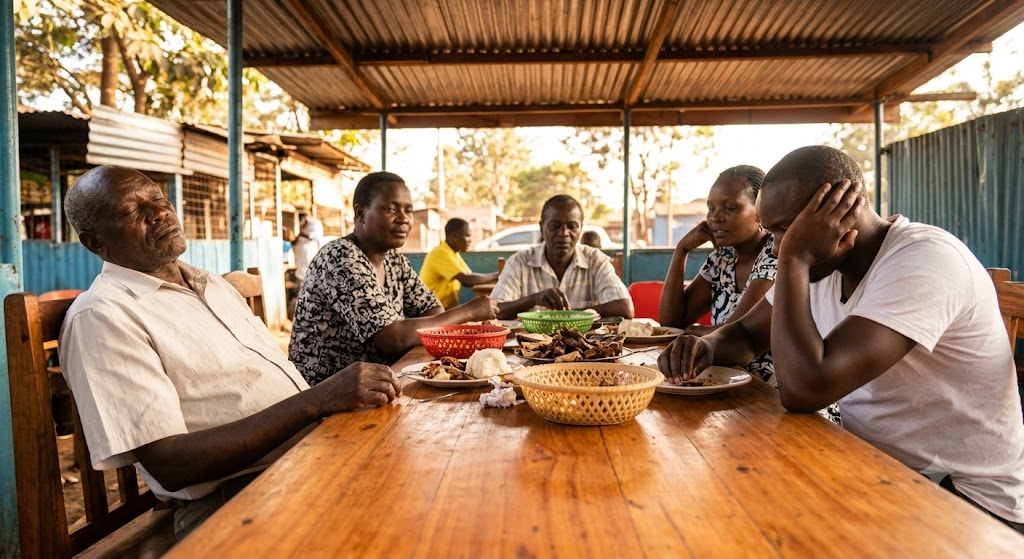
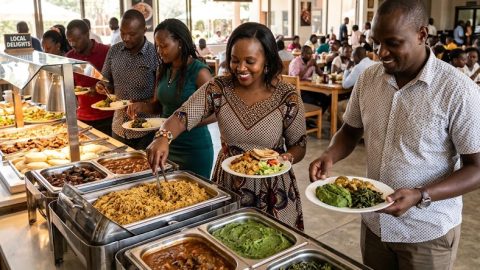
That heavy sleepiness following a Sunday afternoon plate of nyama choma or a large serving of pilau is a familiar experience.
Often called a food coma, or medically described as postprandial somnolence, this sudden urge to sleep is not a sign of laziness.
Instead, it is a clear biological reaction driven by hormones, nerve pathways, and shifting blood sugar levels inside the body.
How the body shifts to digestion
When a large meal enters the stomach, the body moves its energy away from physical activity to focus entirely on breaking down food.
The parasympathetic nervous system takes over, steering the body into a state of rest and digestion. As food stretches the stomach and small intestine, mechanical stretch receptors send signals straight to the brain through the vagus nerve.
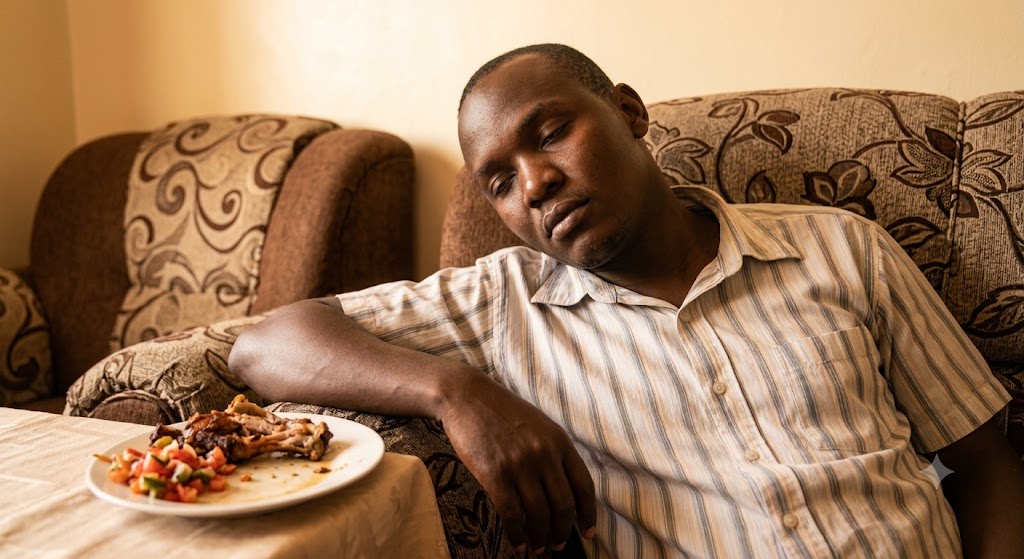
This process lowers the heart rate and brings on physical relaxation.
Heavy proteins and fats require a lot of work to digest, which triggers the release of a satiety hormone called cholecystokinin.
A peer-reviewed study published in the American Journal of Lifestyle Medicine notes that “high-fat meals have been shown to stimulate the release of cholecystokinin, which activates specific receptors on the vagal nerve and reduces alertness.”
This direct hormonal signalling explains the immediate wave of exhaustion that follows a rich meal.
Sugar crash and unexpected hunger
The types of food on the plate also dictate energy levels over the next few hours. Meals high in carbohydrates, like chapati, ugali, or seasoned rice, break down rapidly into simple sugars.
This causes a sharp rise in blood glucose, prompting the pancreas to release a large surge of insulin to clear the sugar from the blood and move it into body tissues.
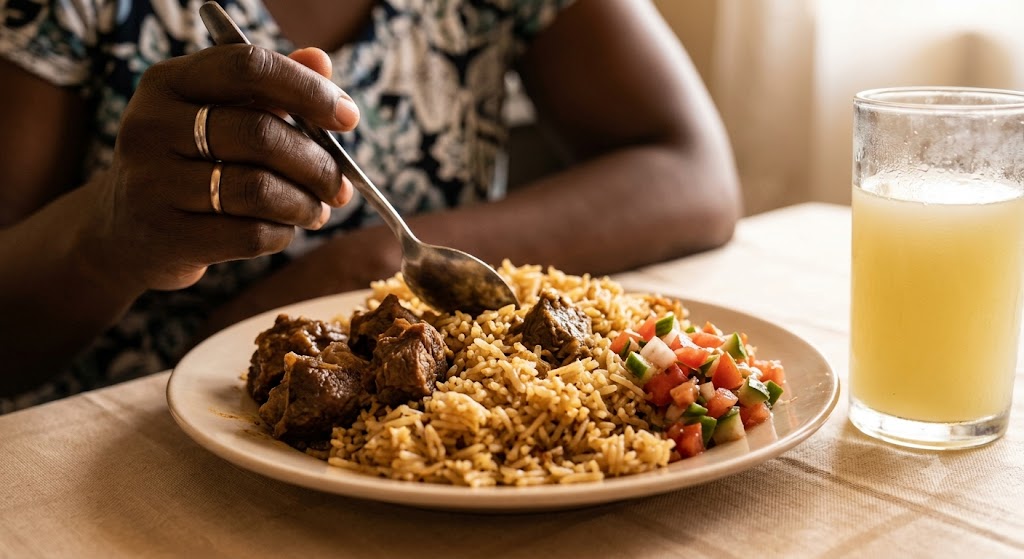
As insulin drives glucose into the muscles, it leaves behind an amino acid called tryptophan, which moves into the brain. Inside the brain, tryptophan converts into serotonin and melatonin, the primary chemicals responsible for relaxation and sleepiness.
This sudden insulin surge often clears sugar from the blood so effectively that it causes a temporary drop in blood glucose a few hours later, a state called reactive hypoglycaemia.
This drop is the exact reason someone might experience a paradoxical hunger or a sudden craving for sweet snacks shortly after eating a massive lunch.
Because a high fat content simultaneously slows down the gastric emptying rate, the body can feel physically bloated and full even while crashing blood sugar signals the brain to seek more quick energy.
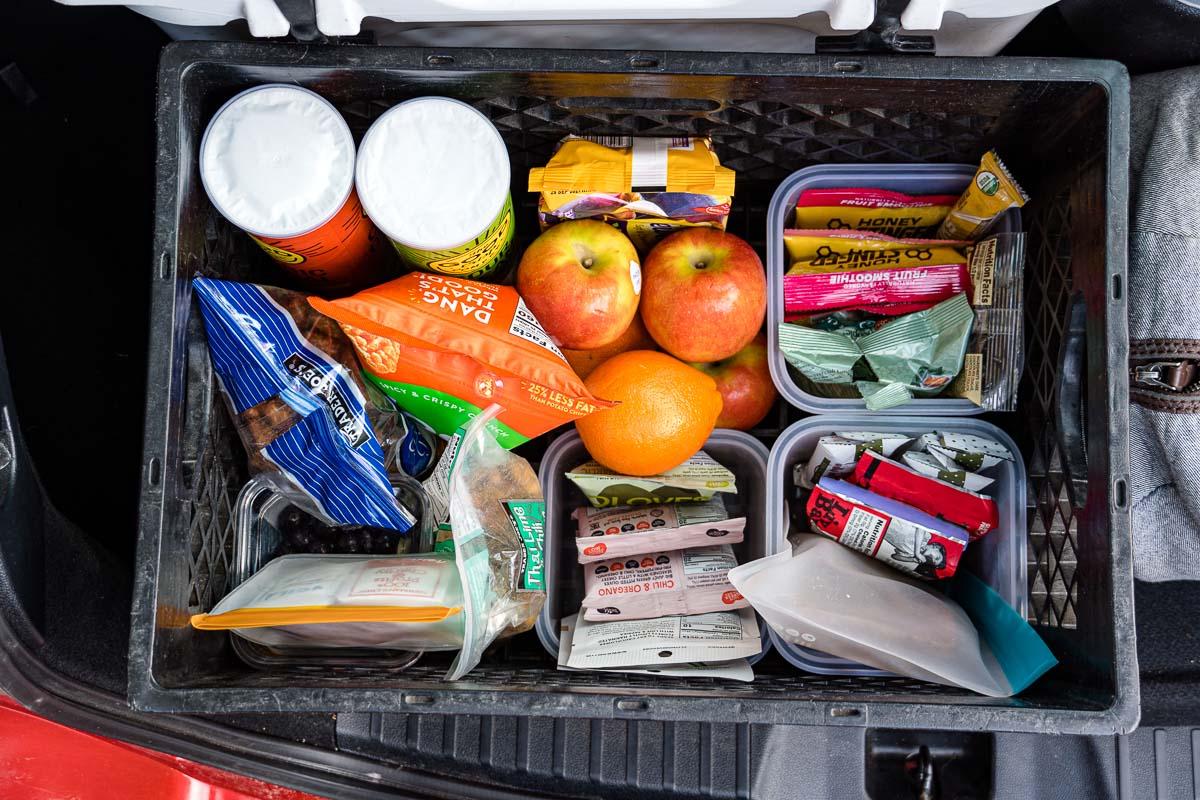
Managing portion sizes and balancing proteins with carbohydrates remain the most effective ways to avoid this sluggish cycle.