Advertisement
How walking immediately after meals may affect digestion and health
27th May, 2026 10:59 AM
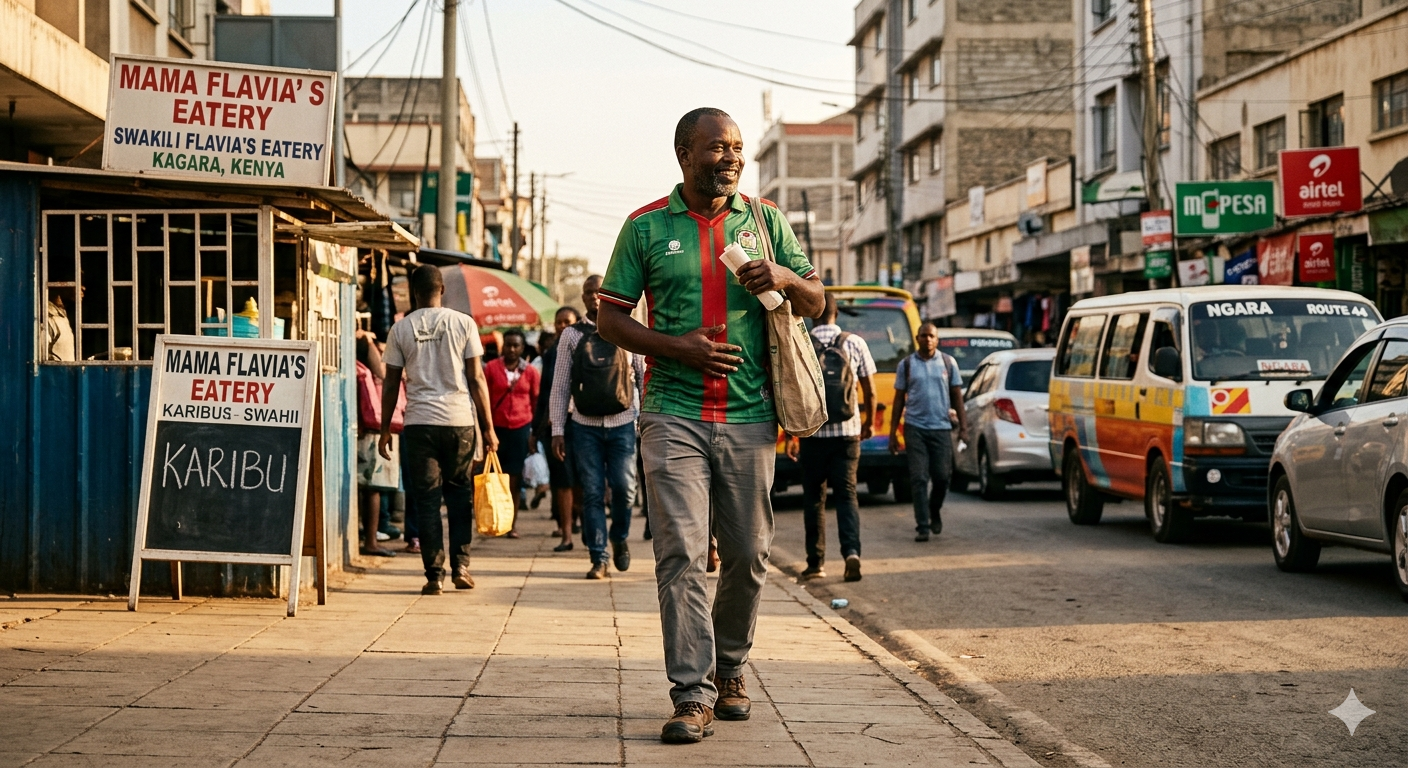
After finishing a meal, many people tend to sit back, scroll on their phones, or rest. Taking a light walk right after eating may gently support digestion and overall body function. It is not a medical treatment, but a simple daily routine that may influence how the body handles food, energy, and blood sugar levels.
What happens in the body after eating
Once food is consumed, the digestive system gets to work breaking it down into nutrients. The stomach and intestines increase activity, while blood flow is directed towards the digestive tract. According to general guidance from the World Health Organization (WHO), physical activity plays an important role in supporting metabolic health and overall well-being.
During this period, blood sugar levels naturally rise, especially after carbohydrate-rich meals. The body then releases insulin to help manage this sugar. A gentle walk can help the muscles use some of this glucose more efficiently, reducing sudden spikes and promoting smoother digestion.
Benefits of a light walk after meals
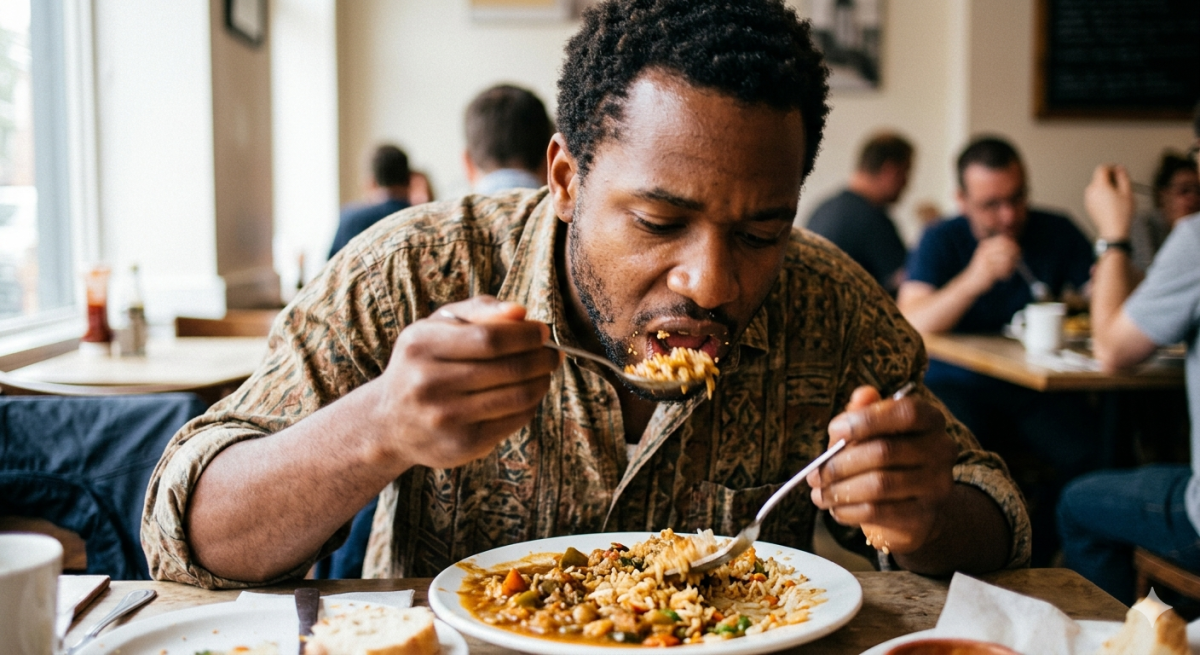
Mayo Clinic explains that light physical activity after eating may support blood sugar control and improve digestion. A short, gentle walk after eating can help the body manage glucose levels more effectively.
A slow walk can also help reduce bloating and discomfort that sometimes comes after a heavy meal. Movement encourages the digestive system to stay active, which may help food pass more smoothly through the stomach and intestines. Over time, this habit may also support heart health by improving circulation and helping
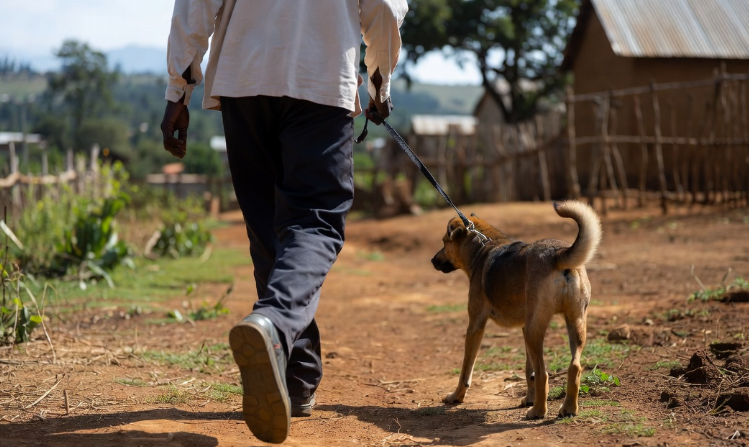
Unlike intense exercise, walking is low-impact and does not strain the body, making it suitable for most people after meals.
When walking too soon may cause discomfort
While light walking has benefits, timing and intensity matter. Starting with a very brisk walk or engaging in vigorous exercise immediately after eating may cause discomfort such as cramps, nausea, or acid reflux. Health guidance from the NHS recommended avoiding intense physical activity right after large meals, as the body is still focused on digestion.
A slow, relaxed pace is generally considered more helpful than rushing into fast movement. Even a 10 to 15-minute walk around the home or neighbourhood can be enough to support digestion without stressing the body.
Walking after meals is a simple routine that may support digestion, help manage blood sugar levels, and improve overall comfort. While it is not essential for everyone, it offers a gentle way to stay active without requiring a workout routine. As with many health habits, consistency and moderation matter more than intensity.