Advertisement
How to care for your feet after a week of unexpected walking
20th May, 2026 04:59 PM
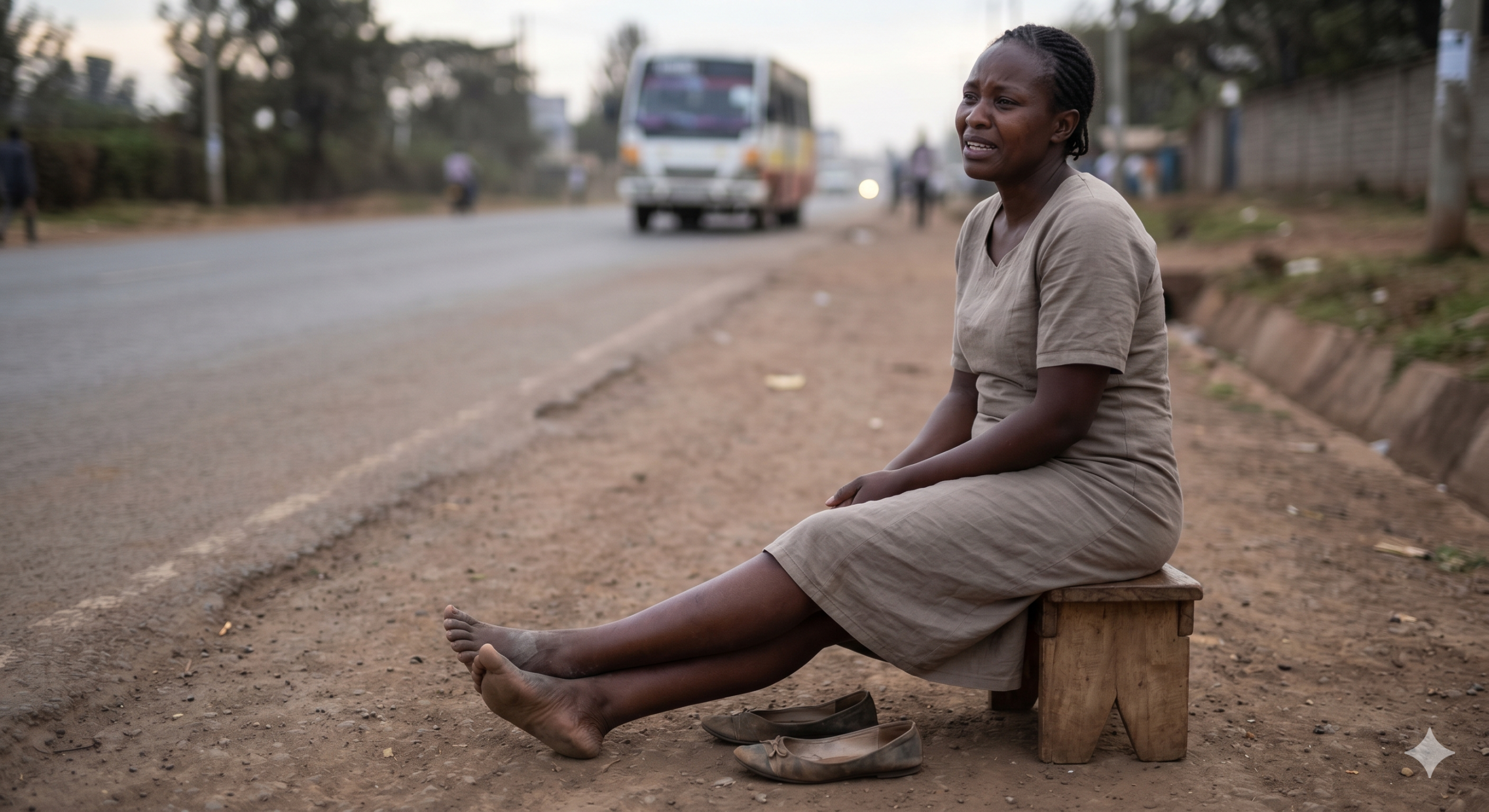
If you spent this past week covering ground on foot instead of inside a matatu, you are not alone, and your feet have almost certainly had enough.
The transport sector strike that began on Sunday, May 18 left thousands of Nairobi commuters with no choice but to walk distances they were never physically prepared for.
The damage shows up in uncomfortable ways: raw heels, cracked skin, swollen arches, and the sting of a blister in the wrong place.
Here is how to take care of your feet properly starting tonight.
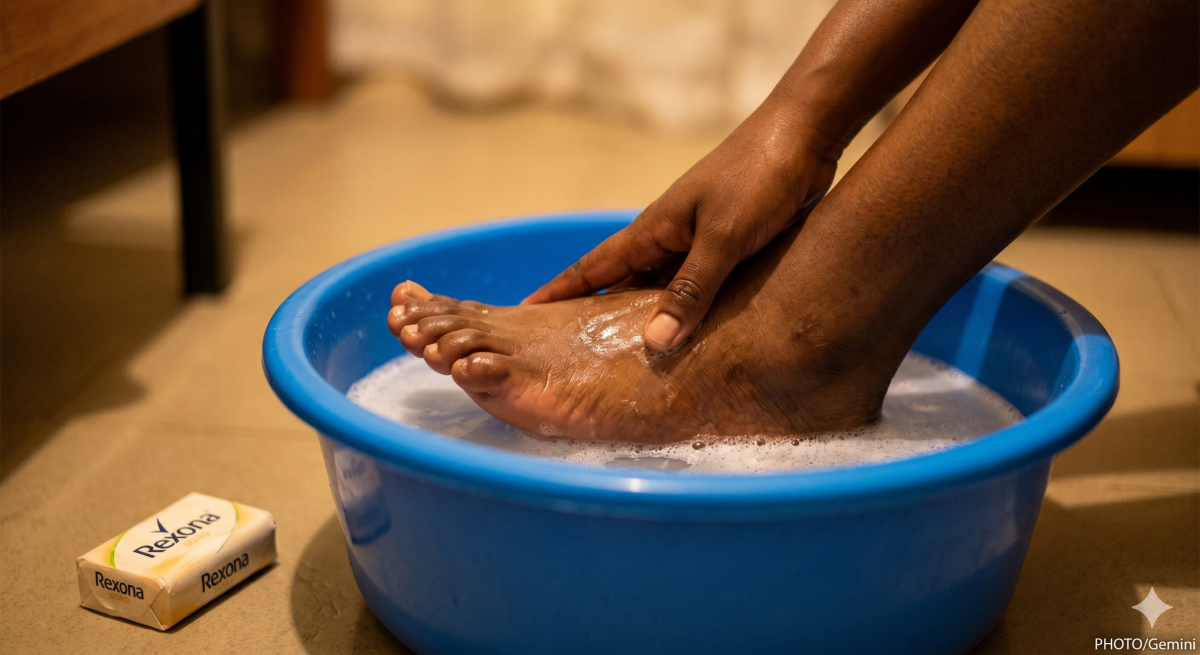
Wash well, then moisturise
The first step is a thorough foot wash in warm (not hot) water with mild soap. Pay close attention to the spaces between your toes, where moisture collects and fungal infections get their start.
Dry completely afterwards – every fold matters.
Once clean and dry, apply a moisturiser to the heel and the ball of the foot, both high-pressure zones during extended walking. Petroleum jelly, shea butter, or a urea-based cream all work well.
Do it at night and slip a clean pair of cotton socks on over moisturised feet to lock it in while you sleep.
How to manage blisters – and what to leave alone
If you have blisters, do not burst them. The fluid inside is protective: it creates a cushion that shields the raw skin beneath while it heals naturally. If one has already burst, clean it gently with antiseptic, let it air for a moment, then cover with a sterile plaster.
Research published in the Journal of Athletic Training by podiatrists Rebecca Rushton and Douglas Richie found that foot blisters are not simply the result of rubbing.
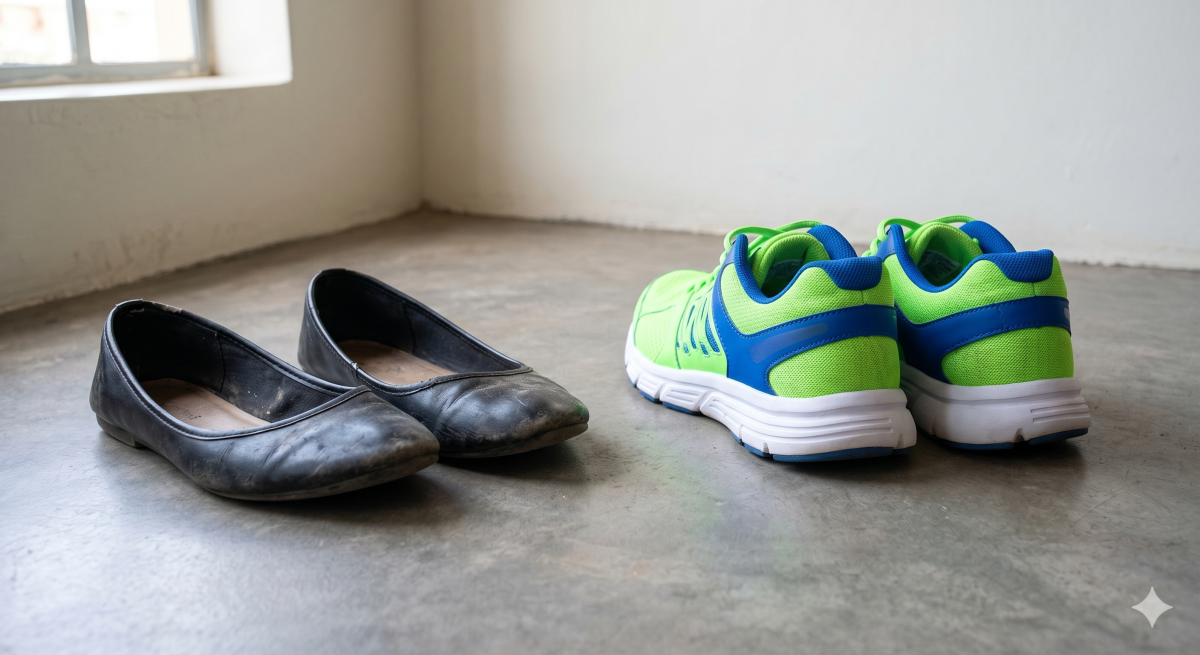
Writing that “foot friction blisters are caused by repetitive shear deformation,” the researchers identified bone and skin moving out of sync under sustained, repeated pressure as the real culprit, which means that what you put on your feet tomorrow matters just as much as what you do to them tonight.
Tomorrow, reach for your most cushioned, well-fitted pair. Skip the flat soles, tight dress shoes, or anything that puts fresh pressure on a heel that is already struggling.
If swelling, spreading redness, or signs of infection do not improve within a few days, see a pharmacist or a doctor. Sudden extended walking can strain the plantar fascia in ways that develop gradually, and it is worth catching early.