Advertisement
Why breastfeeding support should start before delivery
01st August, 2026 04:15 PM
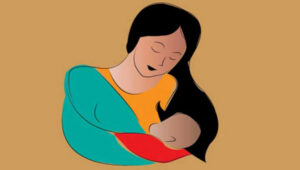
Too many mothers and families around the world still lack access to services and interventions that enable and support breastfeeding.
Yet breastfeeding is one of the simplest and most powerful ways to protect a child’s health. It provides infants and young children with essential nutrition, increases immunity, helps protect against serious illness, and supports cognitive development.
According to the WHO, for mothers, breastfeeding brings important health benefits too, helping reduce the risk of non-communicable diseases such as breast and ovarian cancers and type 2 diabetes.
Statistics by WHO indicate that in the past five years, the prevalence of breastfeeding up to two years of age rose from 38 per cent to 50 per cent.
“Encouragingly, breastfeeding rates around the world are going up. Exclusive breastfeeding in the first six months rose from around 37 per cent in 2012 to over 47 per cent today. In the past five years, the prevalence of breastfeeding up to two years of age rose from 38 per cent to 50 per cent,” WHO states.
These gains show that sustained investments in policies and programmes for mothers and families are working. Yet progress remains uneven, with many countries lagging behind global targets.
Coverage of services supporting breastfeeding remains low, policies are inconsistently enforced, and service quality is often inadequate, especially in low-income, fragile, and humanitarian settings.
The evidence is clear: cost-effective interventions include skilled breastfeeding support in health systems, community-based counselling, maternity protection policies, and protection from the exploitative marketing of commercial milk formulas.
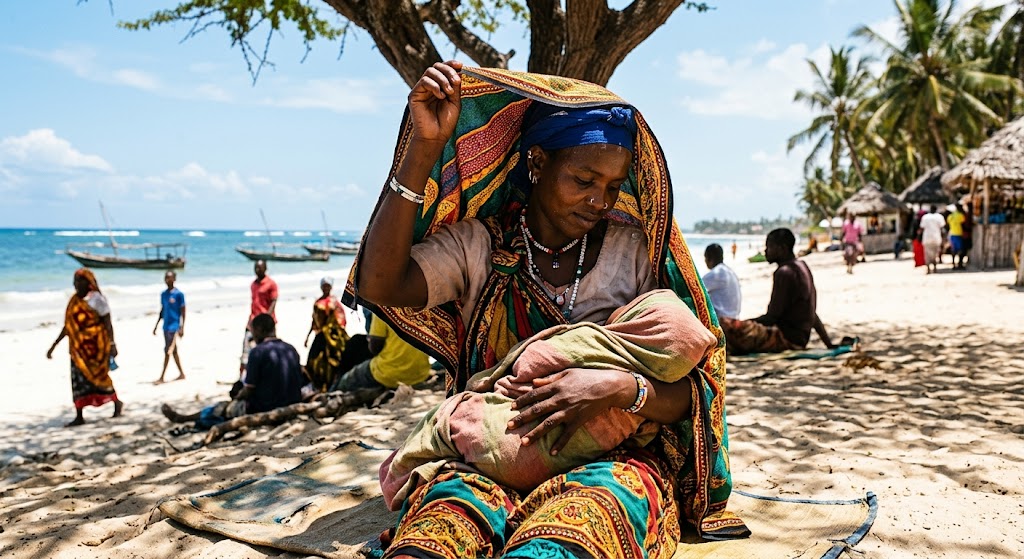
Breastfeeding preparations
Many expectant mothers focus their energy on preparing for childbirth. Buying clothes, setting up a nursery, and choosing a delivery hospital top the list. However, feeding the baby often gets pushed to the background until the newborn arrives.
Healthcare experts note that waiting until delivery to learn about feeding often creates unnecessary stress for new parents.
Starting breastfeeding guidance during routine prenatal clinic visits allows mothers to build confidence early. Guidance offered before delivery equips women with practical knowledge about positioning, baby hunger cues, and milk production dynamics long before the first feed.
Early preparation plays a direct role in improving long-term infant nutrition stats across Kenya. Ministry of Health data shows that babies who latch properly within the first hour of life benefit from colostrum, the nutrient-rich first milk that acts as a natural vaccine.
Starting guidance early also ensures mothers know where to seek professional help if challenges arise later.