Advertisement
How to end stomach bloating after overeating during Easter holiday
05th April, 2026 02:53 PM
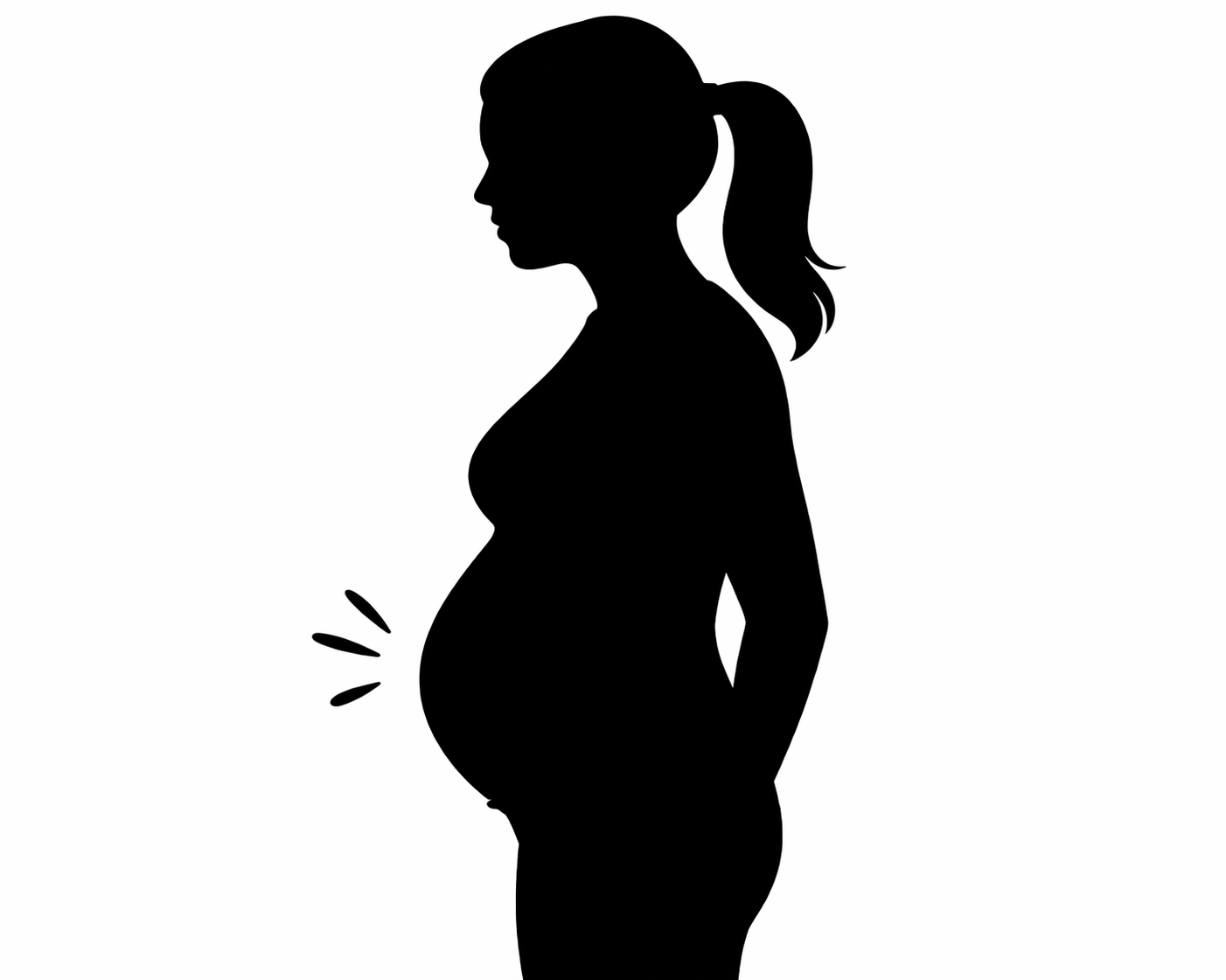
After Easter Holiday celebrations, just like other occasions where friends, families and colleagues make merry, many get stomach complications, and bloating is one of them.
Bloating occurs when gas or fluid builds up inside the digestive system and the end result is an appearance as if one has belly fat or a protruded stomach.
Bloating is uncomfortable for many people and knowing how to end the bloating itself is a deal breaker for enjoying the holiday season and feeling physically well again.
Why bloating happens
During Easter, meals are often rich in carbohydrates, sugar, fried foods and dairy. These foods, combined with large portion sizes, can slow digestion and produce excess gas.
Some common triggers include overeating and fast eating, high-sodium foods, dairy products for those who are lactose intolerant, carbonated drinks and high-sugar or high-fat meals which slow digestion and lead to fermentation in the gut.
Understanding these triggers helps in planning your post-Easter recovery.
Hydrate with warm water
Drinking warm water helps flush excess salt and toxins, while teas like peppermint, ginger or chamomile naturally reduce gas and soothe the digestive system.
Exercise
Light exercise such as walking, gentle stretching or yoga can help stimulate digestion and release trapped gas. Avoid high-intensity workouts immediately after heavy meals as this may worsen discomfort.
Light meals
For the day or two after Easter, focus on soups, broths, smoothies and vegetables that are steamed or lightly cooked. Avoid heavy, greasy foods.
Probiotics for gut health
Yogurt, kefir or probiotic supplements can help restore balance in the gut flora and aid digestion.
Avoid carbonated drinks
Both introduce extra air into the digestive system and prolong bloating.
Stomach massage
Massaging the stomach clockwise can help stimulate the bowels and reduce trapped gas.
How to prevent bloating
Eat slowly and chew thoroughly to reduce swallowed air and give your stomach time to signal fullness.
Moderate portions instead of skipping meals helps digestion.
Balance meals with protein, fibre and healthy fats to prevent rapid spikes in blood sugar. Staying hydrated prevents constipation and reduces water retention caused by salt-heavy dishes.
When to visit a doctor
While bloating is common, persistent bloating, severe abdominal pain, unexplained weight loss or digestive changes may signal underlying conditions such as irritable bowel syndrome, food intolerances or other digestive disorders.
Consult a doctor if symptoms do not improve within a few days.
Bloating after Easter overindulgence is normal but manageable. With hydration, gentle movement, mindful eating and the right digestive support, you can restore comfort and enjoy the rest of the holiday season without carrying the physical discomfort of overeating.
Planning ahead for mindful eating and balancing indulgence with healthy habits ensures that Easter celebrations remain joyful, not uncomfortable.