Advertisement
The real reason budgets fail within the first few weeks
04th August, 2026 12:33 PM

Creating a budget often feels like the first step towards taking control of personal finances. Whether the goal is saving for a major purchase, paying off debt or simply making it to the end of the month without borrowing, many people begin with the best intentions. Yet for many households, that carefully planned budget starts to fall apart within just a few weeks.
According to the Consumer Financial Protection Bureau (CFPB), a budget should reflect real spending patterns rather than ideal ones. When people underestimate how much they spend on transport, food, entertainment or small daily purchases, they are more likely to exceed their limits without realising it.
Ignoring small expenses adds up quickly
One of the biggest reasons budgets fail is overlooking minor purchases. A cup of coffee, a snack, delivery fees, or frequent mobile money transaction charges may seem insignificant on their own, but together they can consume a surprising portion of a monthly budget.
Many people focus on major bills such as rent and utilities while forgetting about these smaller expenses. As the weeks go by, the remaining balance becomes smaller than expected, forcing them to dip into savings or rely on credit.
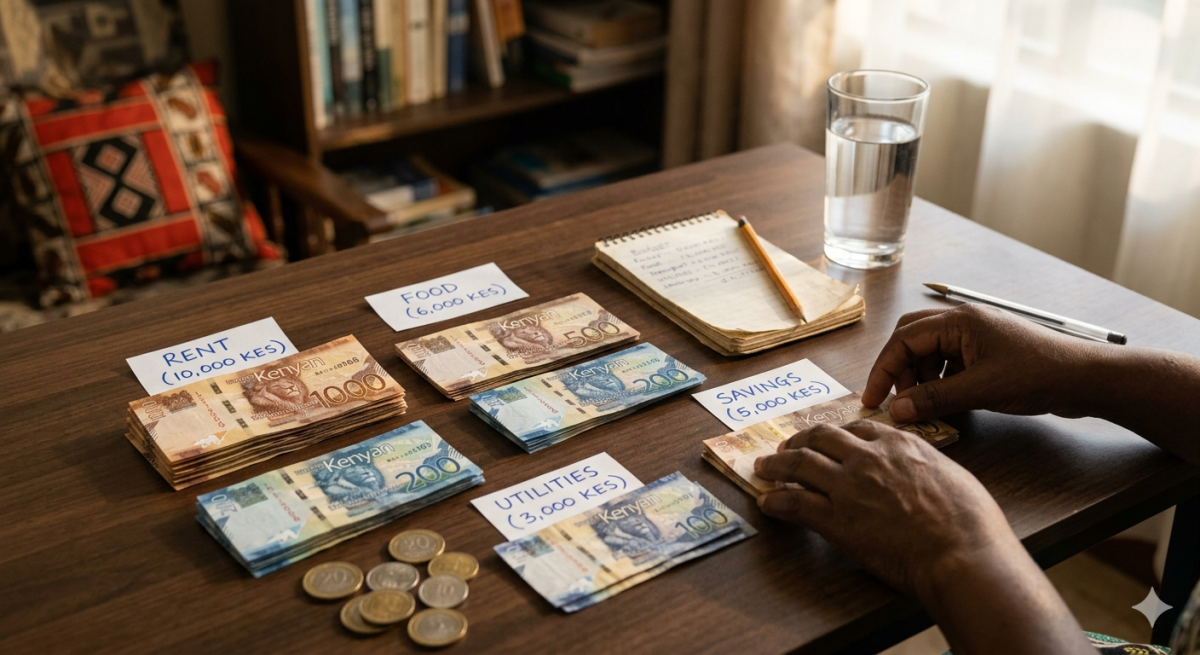
According to the MoneyHelper service in the United Kingdom, tracking every expense, including the smallest ones, gives a more accurate picture of where money is going and makes it easier to adjust spending before it becomes a problem.
Budgets without room for surprises rarely last
Life rarely goes exactly as planned. A medical expense, school contribution, vehicle repair or family emergency can quickly disrupt even the most organised financial plan.
Many budgets fail because they leave no space for unexpected costs. Without an emergency cushion, people often abandon their budget completely once an unplanned expense appears.
Financial experts recommend setting aside even a small amount each month for emergencies. While it may not cover every unexpected situation, it reduces the pressure to borrow or overspend when life takes an unexpected turn.
Setting unrealistic goals can be discouraging
Another common mistake is trying to change spending habits too quickly. Some people cut out all leisure spending or aim to save a large percentage of their income immediately. While ambitious goals can be motivating, they are often difficult to maintain.
A budget should support daily life rather than make it feel restrictive. Allowing room for occasional treats or social activities can make it easier to stick with a financial plan over the long term.

According to the Organisation for Economic Co-operation and Development (OECD), successful money management depends on realistic planning, financial discipline and regularly reviewing spending habits instead of creating rigid budgets that are difficult to maintain.
Reviewing a budget is just as important as creating one
A budget is not something to write once and forget. Income, prices and personal priorities change throughout the year, meaning financial plans should also be updated regularly.
Reviewing spending every week allows people to spot problems early, adjust their habits and avoid overspending before it becomes difficult to recover. Even small changes, such as reducing unnecessary subscriptions or planning meals, can help keep finances on track.