Advertisement
How eating too fast affects digestion and hunger levels
19th May, 2026 07:17 AM
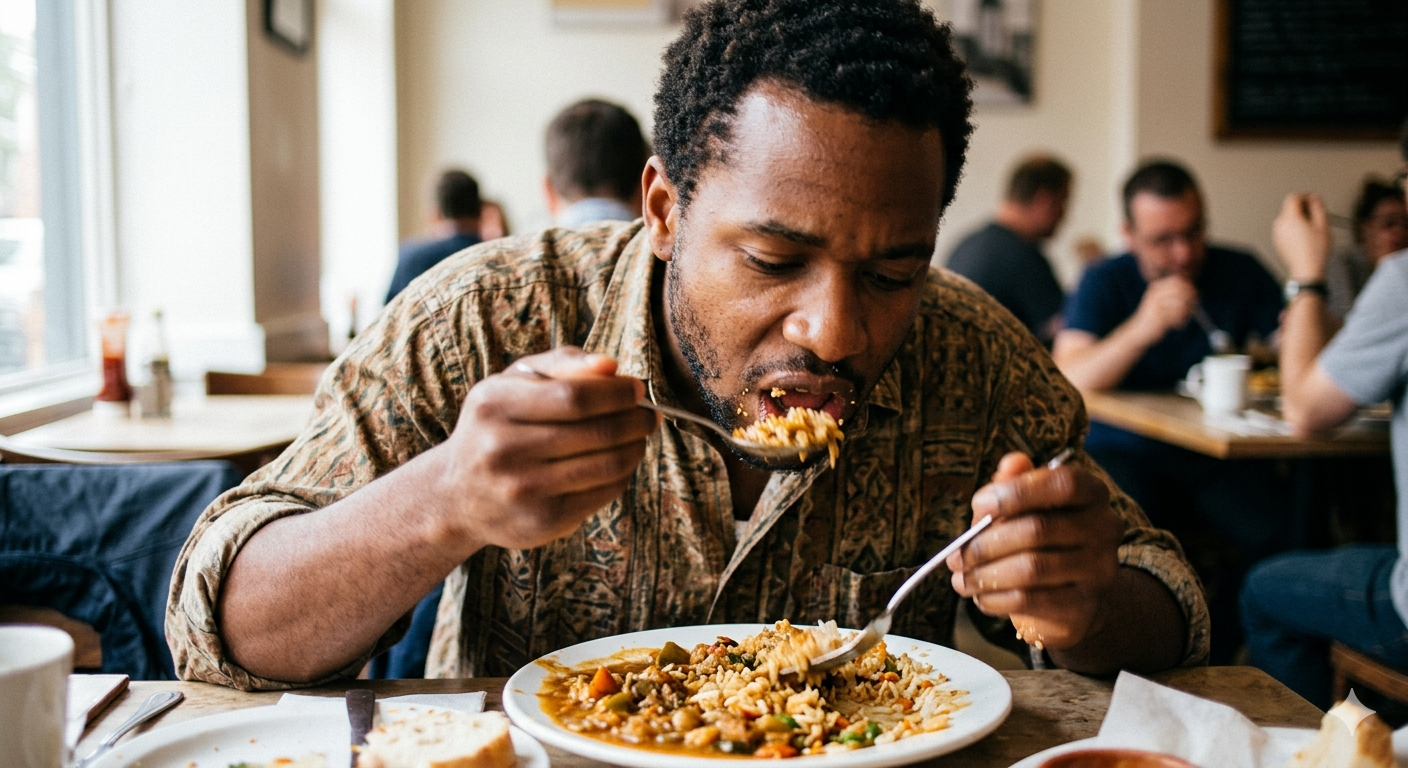
Meals have quietly become another task to tick off the list. Breakfast is often eaten while checking messages, lunch is swallowed between meetings or classes, and dinner sometimes disappears before the body has had time to register it.
While eating quickly may seem harmless, it can interfere with digestion and affect how full a person feels after a meal. What many overlook is that the body needs time to process food and send signals to the brain that it has had enough to eat.
“Your stomach speaks to your brain, but it does not do it instantly,” noted nutrition guidance published by the Kenya Nutritionists and Dieticians Institute. “When meals are rushed, the body may miss important fullness cues.” This explains why many people finish large portions and still feel unsatisfied moments later.
Fast bites, slow signals
Digestion begins in the mouth. Chewing breaks food into smaller particles and mixes it with saliva, which contains enzymes that begin the digestive process.
When food is swallowed too quickly, the stomach has to work harder to break it down. This can leave a person feeling bloated, uncomfortable, or overly full shortly after eating. According to guidance from the Ministry of Health in Kenya on healthy eating habits, mindful chewing and slower meals support better digestion and reduce unnecessary strain on the digestive system.
Eating too fast also often leads to swallowing excess air, which may trigger burping, gas, and stomach discomfort.

The hidden pressure on your stomach
Another major effect of rushing meals is that it disrupts the feeling of fullness that tells the body it has had enough.
Research shows it can take close to 20 minutes for fullness hormones to communicate with the brain. When someone eats too quickly, they may consume far more food before that message arrives. This often leads to overeating, followed by sluggishness and regret.
Slower eating encourages better awareness of portion sizes and helps people recognise when they are comfortably full rather than painfully stuffed.
This habit can also contribute to long-term weight gain because repeated overeating becomes easier when fullness signals are ignored.
Why slowing down changes everything
The good news is that changing eating speed does not require a strict diet. Simple habits can make a difference: putting down cutlery between bites, chewing thoroughly, avoiding screens during meals, and allowing at least 20 minutes to finish eating.
Eat slowly and let your body catch up. It is a simple reminder that eating is not a race.