Advertisement
Why phone screens glitch when charging
03rd August, 2026 08:16 PM
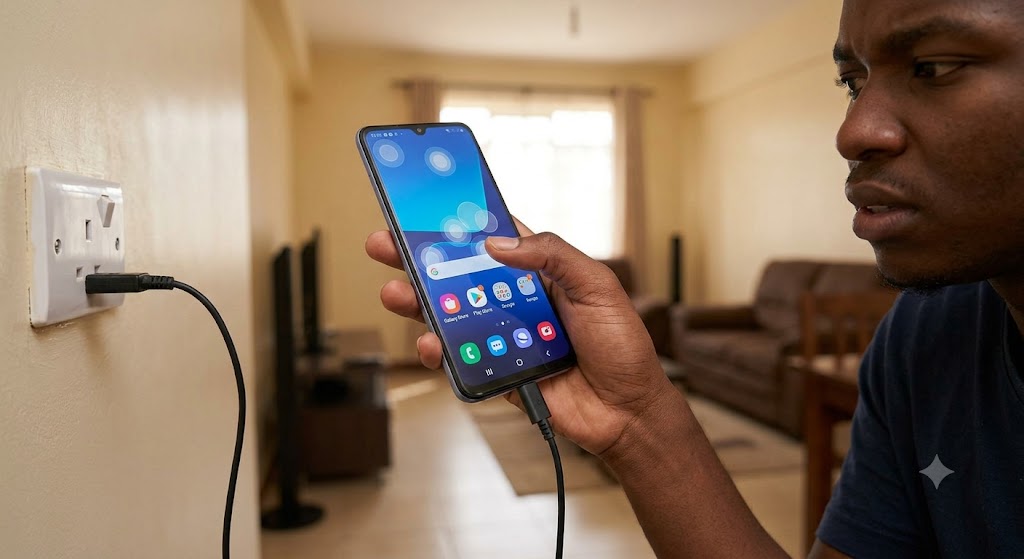
It happens in households and offices every single day. You plug your smartphone into a wall charger, and suddenly the touchscreen starts acting up.
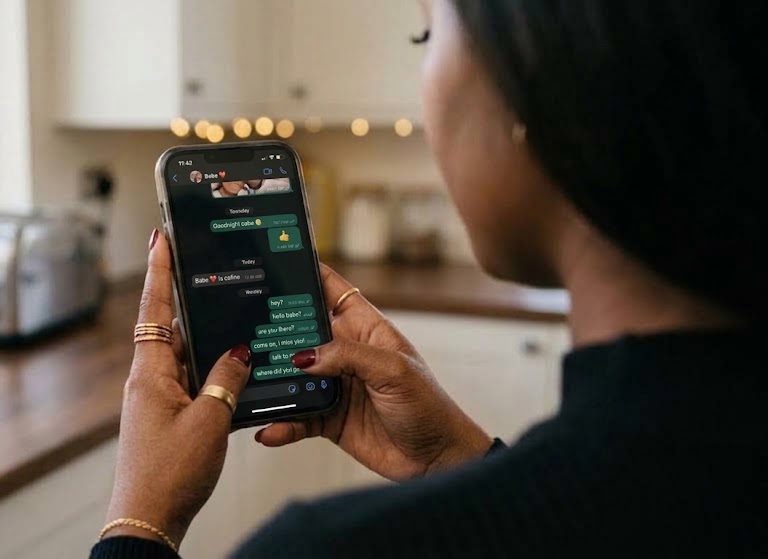
Apps open on their own, scrolling stutters, or trying to type a simple WhatsApp message turns into a mess of missed letters and ghost taps.
The moment you unplug the cable, the screen goes back to normal. While it is easy to assume your phone display is broken, the real issue comes down to basic electrical physics and low-quality chargers.
How low-cost chargers disrupt touch sensors
Modern smartphones rely on capacitive touchscreens to register your fingers. Beneath the top glass layer sits a fine grid of sensors carrying a continuous, low-level electrical charge.
When your finger touches the glass, it absorbs a tiny amount of that charge. The phone reads this small change in electricity to pinpoint exactly where you tapped.
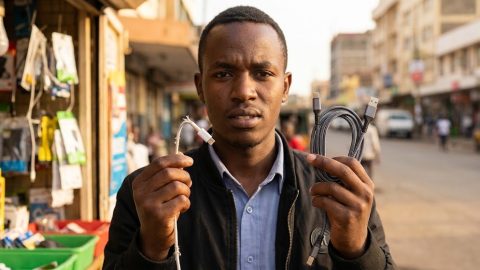
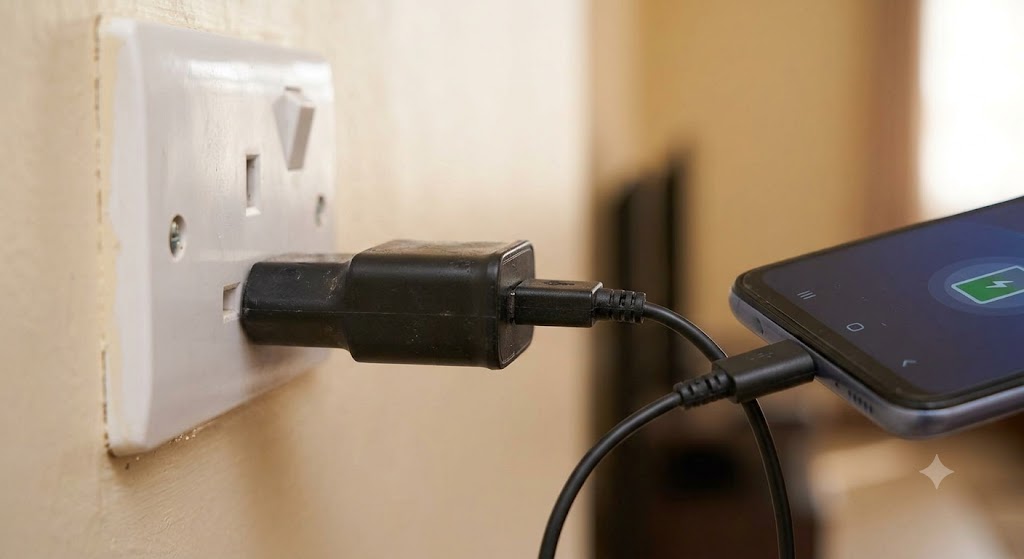
Cheap chargers sold on street corners and in small electronics shops often skip vital safety parts to keep prices down. They leave out key components like isolation transformers, power filters, and proper grounding shields.
Instead of feeding steady direct current into your phone, these budget adapters send messy electrical noise through the cable. According to peer-reviewed research published by the IEEE, “the makers of chargers often simplify their designs to reduce their manufacturing costs, which results in large noises accordingly.”
This electrical noise floods the phone screen, creating fake signals that confuse the touch controller into seeing taps that never happened.
Protecting your phone from screen glitches
Beyond making your phone frustrating to use, unshielded chargers can cause long-term damage. High-voltage spikes and unstable current put extra strain on the internal power chip, which degrades your battery health over time and shortens your device’s lifespan.
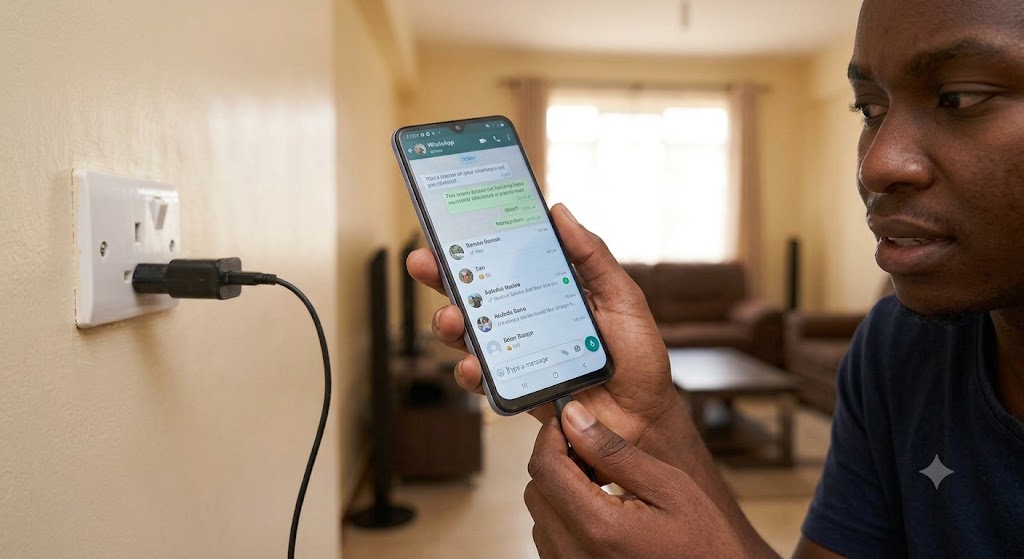
Testing for this problem is straightforward. If your screen only freezes or skips while plugged into a specific charger, your phone display is perfectly healthy.
Replacing a Ksh300 generic charger with a certified original unit, which usually costs between Ksh1,500 and Ksh3,000, solves the issue straight away.
Certified adapters feature proper electromagnetic shielding and regulated power output, keeping your touchscreen responsive and your phone safe.