Advertisement
The hidden privacy risks you should know before joining viral 80s photo trend
13th September, 2026 12:41 PM
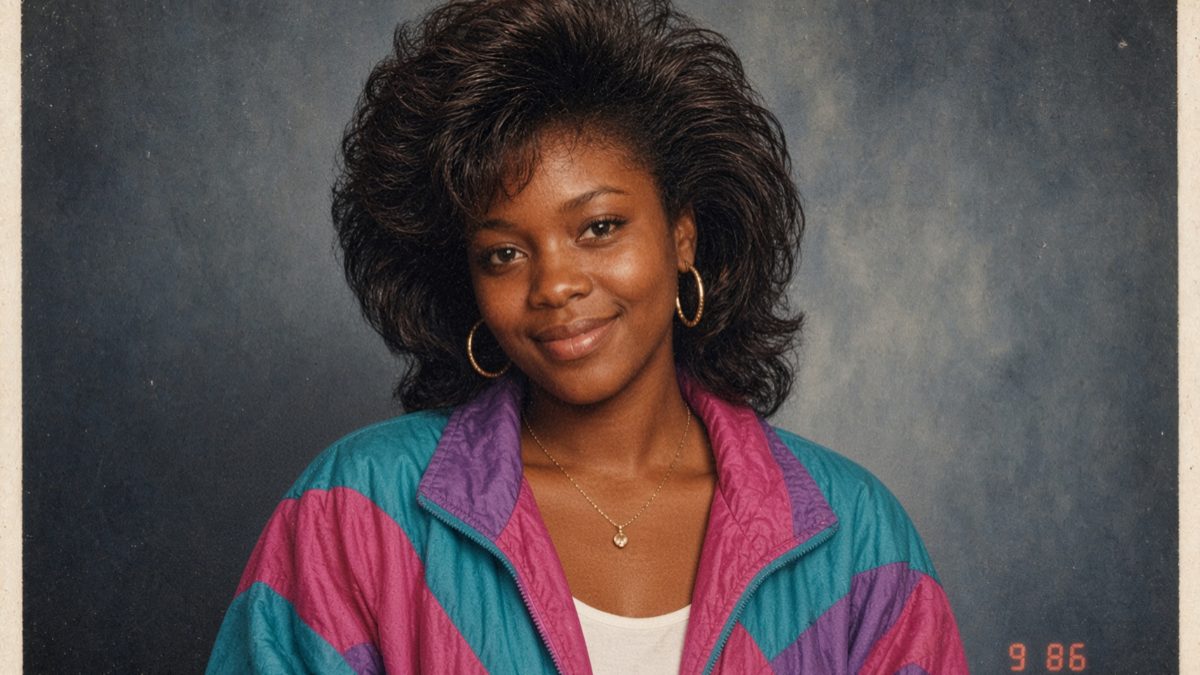
That retro photo you are turning into a 1980s-style portrait could contain far more personal information than you realise.
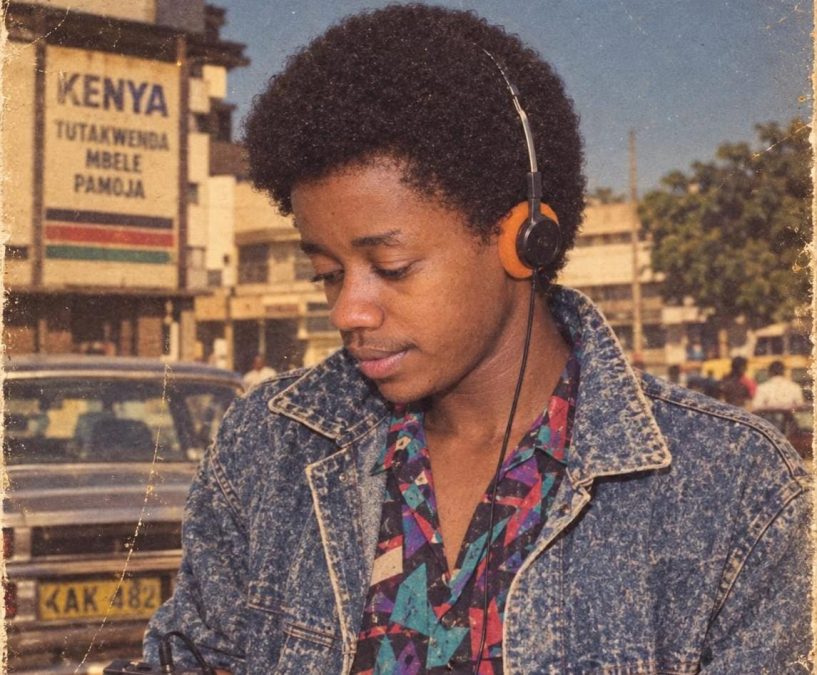
The trend has seen users upload their pictures to ChatGPT and transform them into images inspired by the colourful fashion, hairstyles and studio portraits associated with the decade and then posting them on Instagram.
The finished pictures are designed to look like old photographs, with large hairstyles, vintage clothing, warm lighting and film grain. But before uploading a selfie simply for nostalgia, users should consider what information they are handing over with the original image.
Your selfie may reveal more than you think
A photograph is not limited to the person appearing in it. A face can be considered personal data because it may help identify an individual, while the original image file may contain metadata that is not visible in the final picture.
A report by Wired notes that such information can include the date a photo was taken, the device used and, in some cases, location details. This means an apparently ordinary selfie could carry additional information alongside the image itself.
What happens after the upload
Once a picture is uploaded to ChatGPT, it forms part of the user’s interaction with the service and is handled under OpenAI’s data policies. For consumer accounts, OpenAI says content, including images, may be used to improve its models unless users choose to opt out through their settings.
That does not mean every image uploaded by a user is automatically used to train an AI model. How data is handled depends on the ChatGPT service being used and the user’s settings.
OpenAI also says information from its business products and API is not used for training by default. Users should therefore check their settings and understand which type of service they are using.
Ways to reduce the privacy risk
Uploading an ordinary selfie to an established AI service is not necessarily dangerous, but users should remember that the platform receives a copy of the image. The photograph is no longer kept only on the user’s device.
Those who do not want new conversations used for model improvement can switch off “Improve the model for everyone” under Settings > Data Controls.
Temporary Chat is another option. OpenAI says these chats are not used to train its models, do not appear in chat history and are automatically deleted from its systems within 30 days, subject to certain exceptions.

Users should avoid uploading highly sensitive photographs, private records, identity documents or intimate images. They should also be careful about uploading pictures of other people, especially children, without permission.
Before joining the 80s photo trend, users can crop unnecessary parts of an image, blur house numbers and vehicle plates, and review their privacy settings. These small steps can reduce the amount of personal information shared while still allowing users to enjoy the trend.