Advertisement
Why your Ksh200 phone charger keeps breaking and how to pick one that lasts
16th August, 2026 09:55 PM
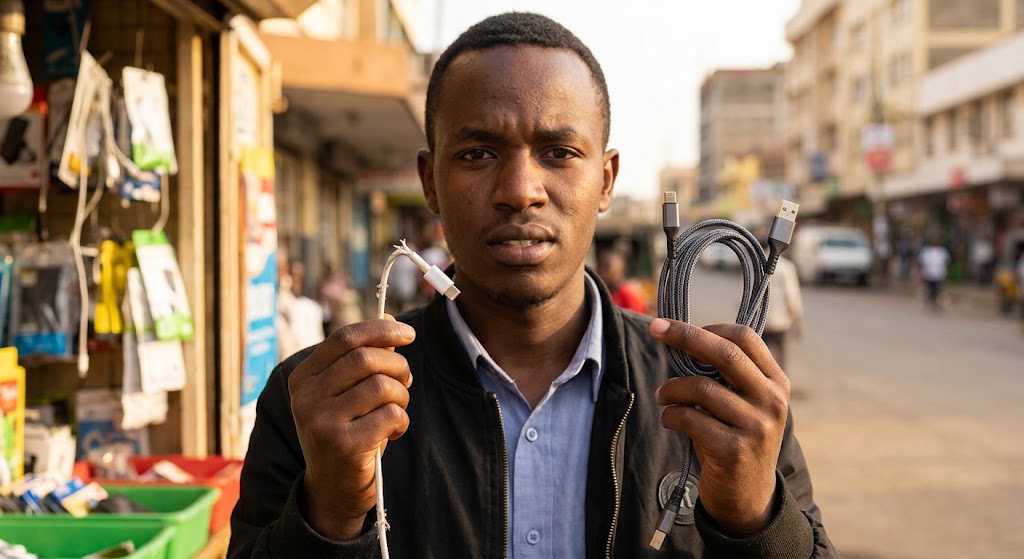
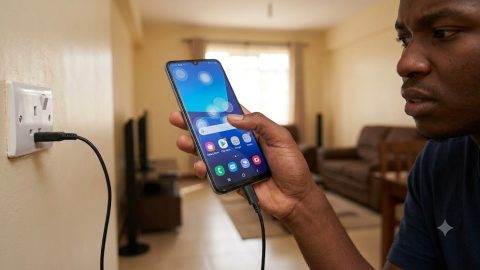
Replacing a broken phone charger has become a monthly tax for millions of smartphone owners. That Ksh200 cable bought at a bus stop or roadside kiosk often stops charging after a few weeks, usually tearing right at the neck joint.
While it is easy to blame rough handling, the quick death of budget charging cords comes down to basic physics and poor design.
Every time a phone is plugged in, picked up, or used while charging, the cable bends. A standard cord combines a hard plastic plug with thin, flexible copper wires inside.
When the cable bends, all the pressure concentrates on the exact spot where the flexible cord meets the rigid plastic head. Engineers call this point a stress concentration zone.
How rigid plastic collars ruin internal wires
Budget cables usually feature short, stiff plastic collars around the neck. Instead of absorbing movement, these hard collars force the thin inner wires to snap back and forth at sharp angles.
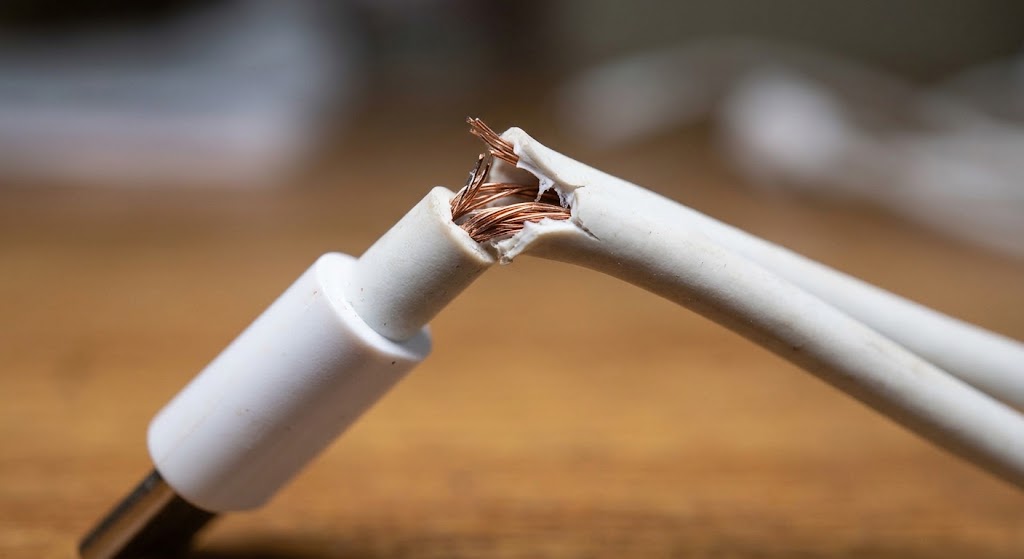
Over time, this constant bending causes the copper strands to weaken and break inside, even if the outer plastic jacket still looks clean and intact.
Designing durable flexible electronics requires balancing strength and movement.
In research on mechanical durability, scientists note that “significant efforts should focus on optimizing sensor structures with coordinated materials properties to reduce stress concentration.”
Quality manufacturers apply this exact principle by using flexible rubber necks with segmented ribs. These ribbed joints bend in a smooth curve rather than a harsh kink, spreading the pressure evenly down the cord.
How to spot a durable cable before buying
Spotting a strong cable before spending money requires checking a few physical details. Look for cables with longer rubber neck joints that flex easily when squeezed between two fingers.
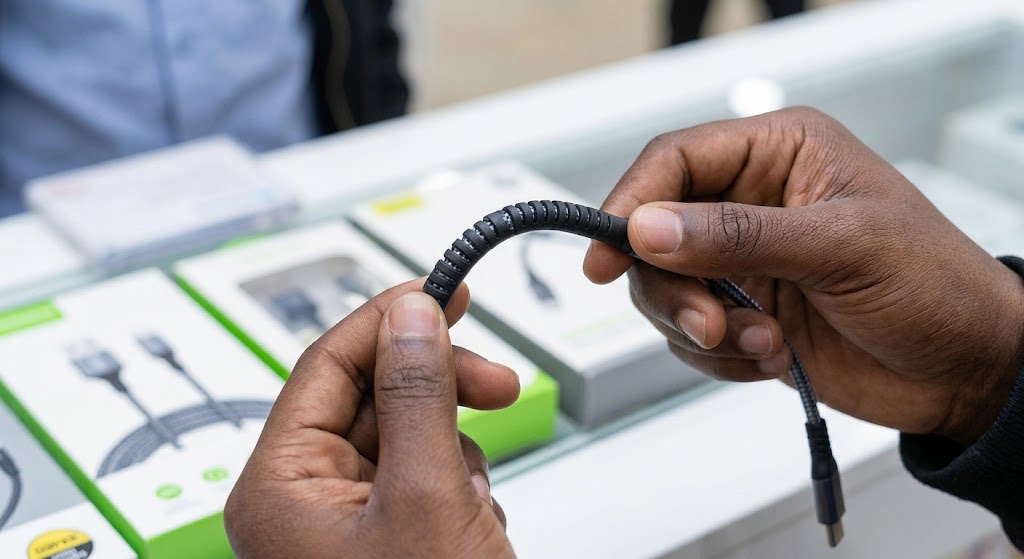
The neck section should extend at least 1.5 centimetres from the plug head to keep bending forces away from the delicate internal solder joints.
Outer coating also matters. Cables covered in thick braided nylon handle twisting, pulling, and tight pocket storage far better than smooth plastic sleeves.
Spending Ksh1,000 on a properly reinforced cable prevents short circuits, protects phone battery health, and saves money spent on constant replacements over time.