Advertisement
Does washing rice remove its nutrients? Here’s what you should know
27th July, 2026 01:54 PM

For many households, washing rice before cooking is almost automatic. Some rinse it once, while others continue until the water runs clear, believing it produces better-tasting rice. But a common question remains: does washing rice also wash away some of its nutritional value?
The answer is not as straightforward as many people think. While rinsing rice can remove certain nutrients, it also has important benefits depending on the type of rice being prepared and how it has been processed.
What happens when you wash rice?
Washing rice mainly removes surface starch, dust, dirt, and any small particles left behind during processing and packaging. According to the Food Standards Agency, rinsing rice can also help improve the texture of cooked rice by reducing excess starch, making the grains less sticky after cooking.
For people who prefer fluffy rice, a quick rinse before cooking is often enough to achieve the desired texture without significantly affecting its nutritional content.
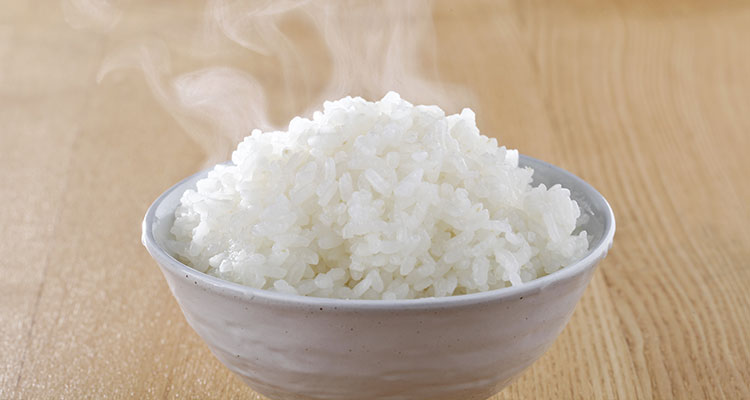
Some nutrients can be lost
Although washing rice has its advantages, it may also remove nutrients found on the outer surface of the grains. According to the USDA, enriched white rice contains added vitamins and minerals such as folic acid, iron, and several B vitamins. Vigorous washing or repeated rinsing may wash away some of these added nutrients before cooking.
This is particularly important for enriched rice sold in countries where fortification is common. In such cases, the packaging often indicates whether the rice should be rinsed before cooking.
Brown rice is different
Brown rice is less processed than white rice because it retains its bran and germ layers. These layers naturally contain fibre, healthy fats, vitamins and minerals.
Brown rice is richer in magnesium, phosphorus, antioxidants and dietary fibre than white rice. Since most of these nutrients are inside the grain rather than on its surface, a quick rinse has little effect on its nutritional value.
However, excessive scrubbing or soaking is unnecessary and offers little nutritional benefit.
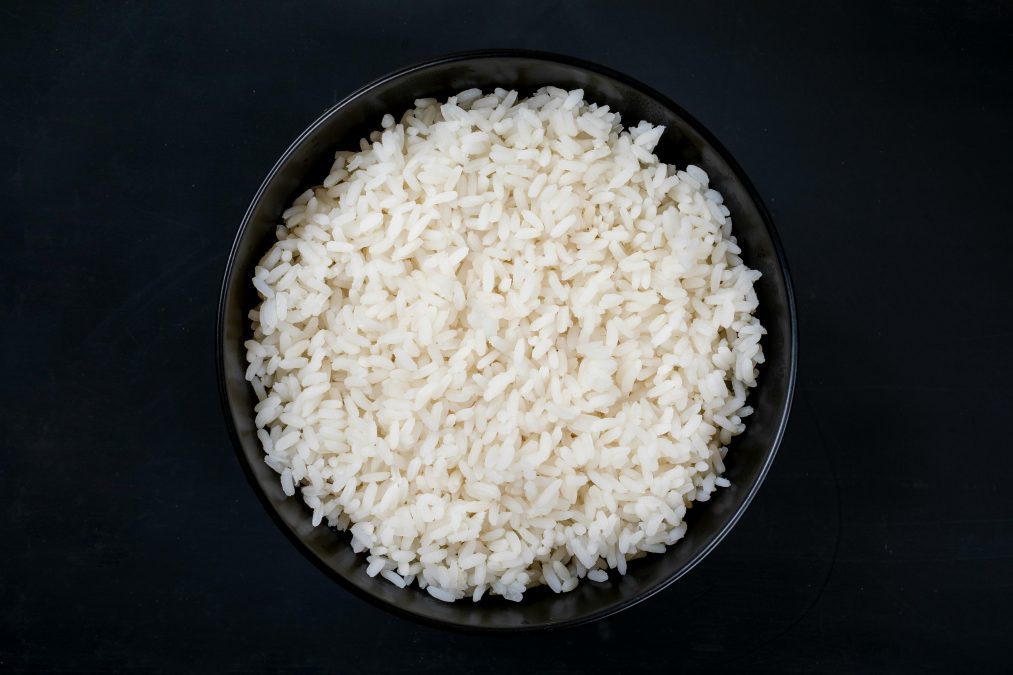
Washing rice also has health benefits.
Rinsing rice is not only about texture. Washing rice can help reduce small amounts of dust and loose debris that may remain after processing. Some studies have also found that rinsing can slightly reduce the amount of surface arsenic present in rice, although it does not remove arsenic that has been absorbed into the grain while growing.
Cooking rice in extra water and draining it afterwards may further lower arsenic levels, although this method can also reduce water-soluble nutrients.
Should you always wash rice?
There is no single rule that applies to every type of rice. Plain white rice often benefits from a light rinse to remove excess starch, while brown rice usually only needs a quick wash. Enriched rice, however, may be better cooked without repeated rinsing if the manufacturer advises against it, helping preserve the added nutrients.
The best approach is to check the cooking instructions on the packet, as recommendations can vary depending on the variety and whether the rice has been fortified.
Washing rice does not remove all of its nutrients, but repeated or vigorous rinsing can wash away some vitamins and minerals added during fortification. At the same time, rinsing helps remove dust, excess starch and other particles, while also improving the texture of cooked rice.
For most people, a gentle rinse strikes the right balance between cleanliness, cooking quality and nutrition. Understanding the type of rice you are using is the key to getting the most from every meal.