Advertisement
Why rice comes out sticky after cooking and simple ways to fix it
13th May, 2026 09:59 AM
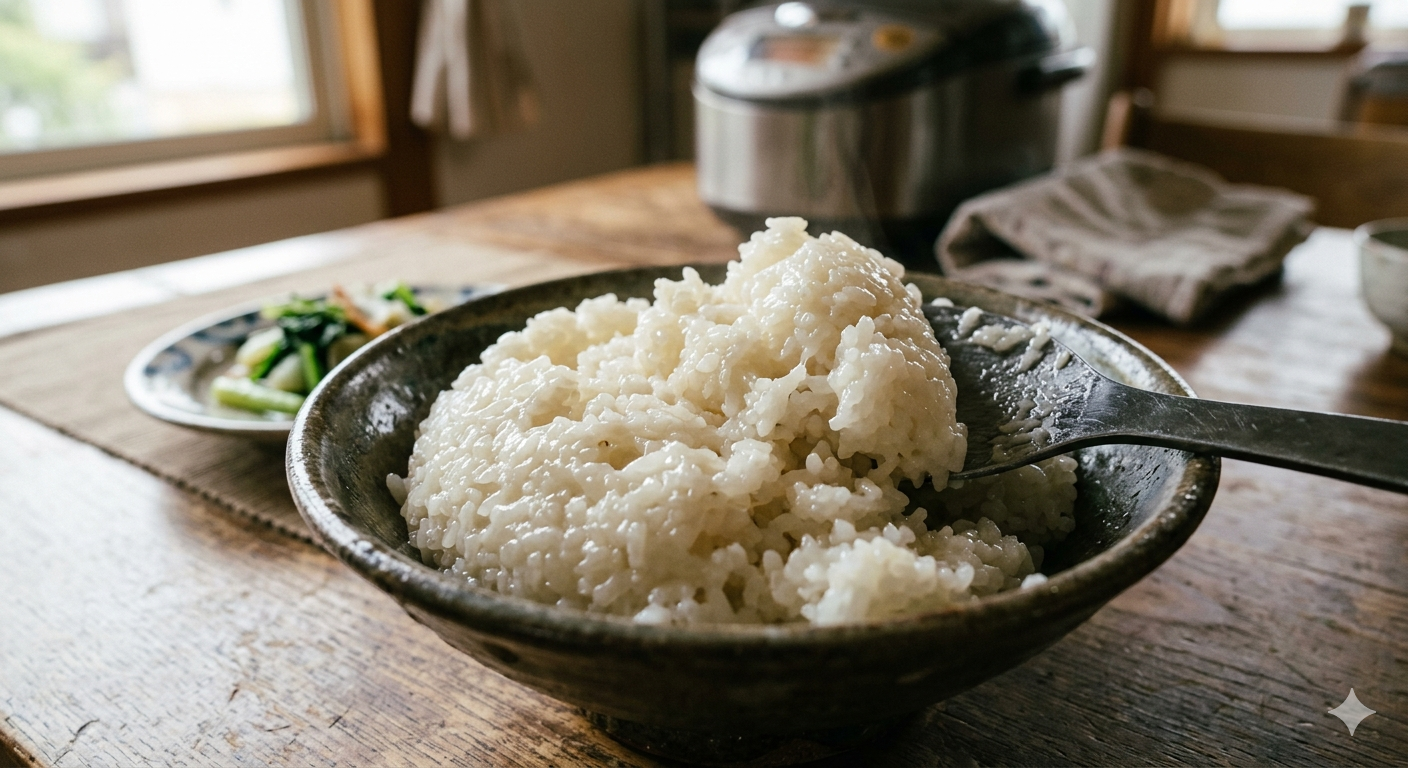
Rice is one of the most common foods in many homes, yet it is also one of the easiest dishes to get wrong. Many people have had that frustrating moment of lifting the pot lid only to find rice that is sticky, mushy, and far from the light, fluffy texture they hoped for.
Sticky rice is not always a sign of poor cooking skills. In many cases, it comes down to small mistakes that are easy to overlook. The good news is that with a few simple adjustments, it is possible to prepare rice that comes out soft, separate, and well-cooked every time.
Skipping the rinse
One of the biggest reasons rice turns sticky is failing to wash it before cooking. Raw rice carries a layer of surface starch that is released once it hits boiling water. When too much starch remains on the grains, it causes them to cling together as they cook. Rinsing rice under cold running water helps remove this extra starch. For best results, wash the rice two to three times or until the water becomes mostly clear. This simple step can make a noticeable difference in texture.
Using too much water
The water-to-rice ratio is another common mistake. Adding too much water causes the grains to absorb more liquid than necessary, making them swollen and sticky. Different rice varieties need different amounts of water. Long-grain white rice usually works well with a ratio of one cup of rice to two cups of water, while basmati often needs slightly less.
Measuring carefully instead of guessing helps avoid overcooking.

Cooking on high heat
It may seem faster to cook rice over high heat, but this often leads to uneven cooking. The bottom may cook too quickly while the top remains underdone, forcing extra stirring that releases more starch.
A better method is to bring the water to a boil, then immediately reduce the heat to low and let the rice simmer gently with the lid tightly closed.
Stirring too often
Many people stir rice repeatedly during cooking, thinking it prevents burning. In reality, too much stirring breaks the grains and releases starch, which creates a sticky texture. Once the rice is simmering, leave it undisturbed until it is fully cooked.
Not letting it rest
Rice needs a few minutes to settle after cooking. Opening the lid immediately allows steam to escape too quickly, interrupting the final stage of cooking. Allowing rice to rest for about 10 minutes after switching off the heat helps the moisture distribute evenly. Fluffing it gently with a fork afterwards separates the grains.
Easy fixes for sticky rice
If your rice has already turned sticky, all is not lost. Spreading it on a tray for a few minutes can help release excess moisture. A fork can also be used to gently separate it.
Perfect rice often comes down to patience and precision. Small habits like rinsing properly, measuring water correctly and allowing enough resting time can turn an ordinary pot of rice into a fluffy and satisfying meal.