Advertisement
Common mistakes when cooking pilau and how to avoid them
29th March, 2026 11:22 PM
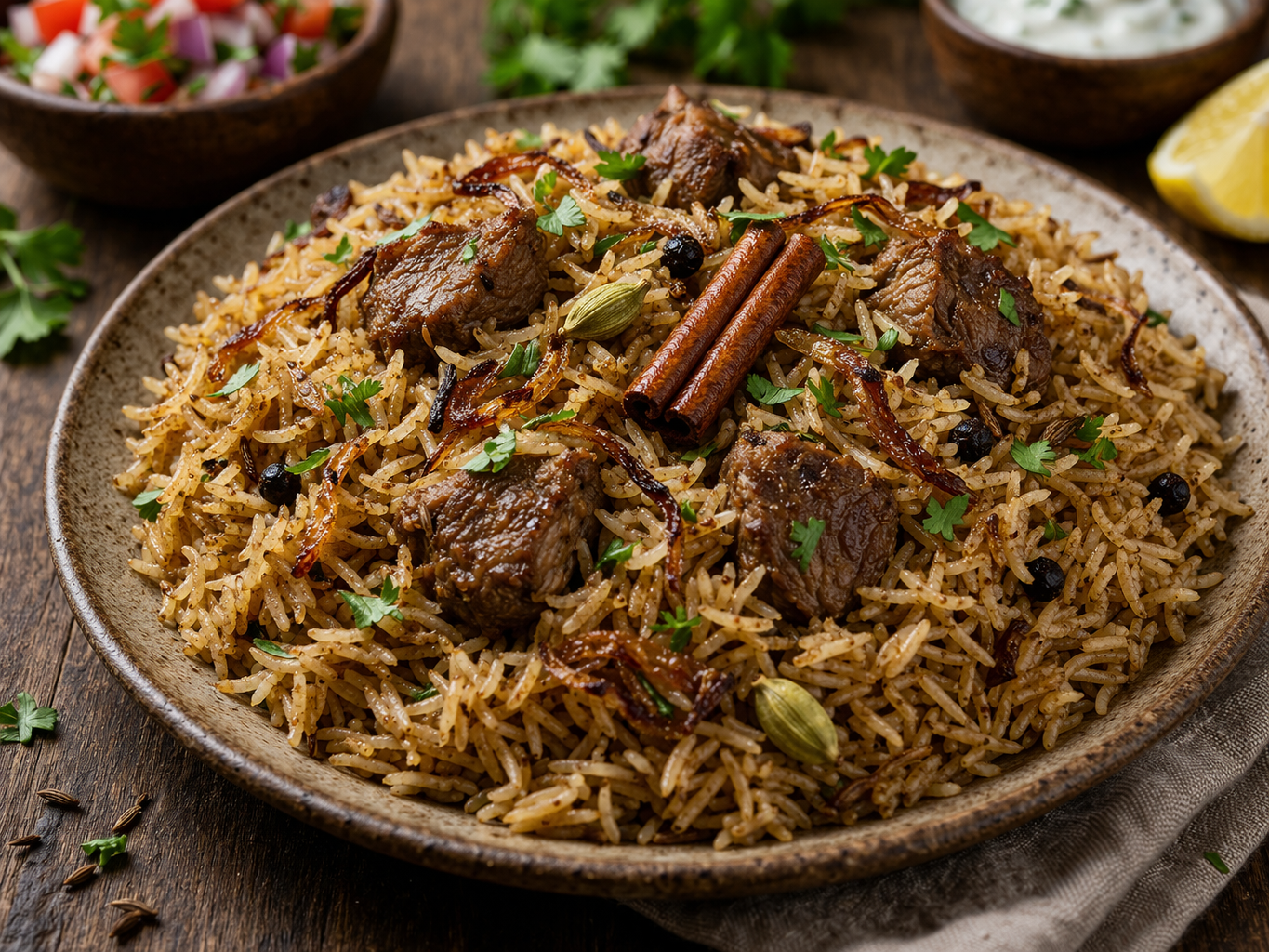
Pilau is a spice rich rice dish widely enjoyed across Kenya, East Africa, Africa and wold at large, only that it changes names depending on various countries and communities.
It looks simple, but getting the right flavour, aroma and texture depends on technique and timing. Many people make small mistakes that lead to bland, soggy or uneven pilau.
This guide explains the most common mistakes and how to avoid them for consistent, flavourful results.
What is pilau and why it goes wrong
Pilau is made using rice, whole spices, onions and sometimes meat. The goal is to achieve well separated grains infused with deep spice flavour.
Things go wrong when:
- the rice becomes sticky or undercooked
- spices are poorly balanced
- heat and timing are not controlled
Understanding these basics helps prevent most errors.
Using the wrong rice
Rice choice determines texture. Many people use ordinary or highly starchy rice which becomes sticky.
Use long grain rice such as basmati. It cooks into separate grains and absorbs spices well. This gives pilau its signature fluffy texture.
Not washing rice properly
Rice contains excess starch that causes clumping.
Always rinse rice several times until the water runs clear. This removes surface starch and helps produce light, non sticky pilau.
Poor spice balance
Pilau depends on spices such as cumin, cloves, cardamom, cinnamon and black pepper.
Using too little results in a bland dish. Using too much creates a bitter taste. Measure spices carefully and balance them to achieve a rich but not overpowering flavour.
Not frying spices correctly
Spices need to release their aroma before other ingredients are added.
Heat oil first, then add whole spices and allow them to sizzle briefly. This step unlocks flavour. Avoid burning them as this creates bitterness.
Overcooking or undercooking onions
Onions build the base flavour.
Cook onions slowly until golden brown. Undercooked onions taste raw, while burnt onions ruin the entire dish. Properly browned onions add sweetness and depth.
Using the wrong water ratio
Water measurement affects texture.
Too much water makes pilau soggy. Too little leaves rice hard. A common ratio is about 1.5 to 2 cups of water per cup of rice, depending on the type used.
Adding ingredients at the wrong time
Timing matters in pilau preparation.
Garlic should not be added too early as it burns quickly. Meat should cook fully before rice is added. Spices must be introduced early to infuse properly.
Correct timing ensures all flavours develop well.
Cooking with poor heat control
Heat must be managed carefully.
Use medium heat when frying onions and spices. Once rice is added, reduce to low heat and allow it to simmer. High heat can burn the bottom while leaving the top uncooked.
Stirring rice too much
Once the rice starts cooking, avoid frequent stirring.
Too much stirring breaks grains and releases starch, leading to a heavy and sticky texture. Stir once to mix, then leave it to cook.
Skipping resting time
After cooking, let pilau rest for a few minutes.
This allows moisture to settle and helps the grains firm up. Serving immediately can make the rice appear wet and uneven.
Cooking pilau successfully requires attention to detail. Most mistakes come from rushing or ignoring key steps.
Using the right rice, balancing spices, controlling heat and following proper timing will result in flavourful, well cooked pilau with separate grains and rich aroma.