Advertisement
Snails, insects and more: Unusual foods daring foodies are trying
27th September, 2026 12:23 PM
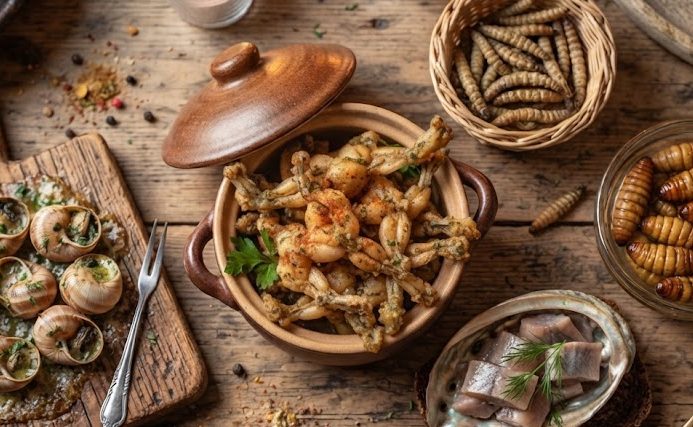
Food is often associated with comfort and familiarity, but adventurous food lovers are increasingly willing to step outside their usual choices and sample dishes that may initially seem strange.
A recent playful exchange by the Roaming Chef about snails has once again highlighted the curiosity surrounding foods that are not commonly found on everyday menus. For some diners, trying an unusual dish has become less about simply satisfying hunger and more about discovering new flavours, textures and culinary traditions.
When familiar foods feel too ordinary
Snails are among the foods that can surprise first-time diners, particularly because of their texture and appearance. However, they have long been eaten in different parts of the world and can be prepared with herbs, garlic, butter and other seasonings.
Insects have also found their way onto adventurous food menus. Crickets, grasshoppers, termites and other edible insects can be roasted, fried or incorporated into different dishes. Their appeal has partly come from the novelty of eating something many people would normally associate with the outdoors rather than a plate of food.
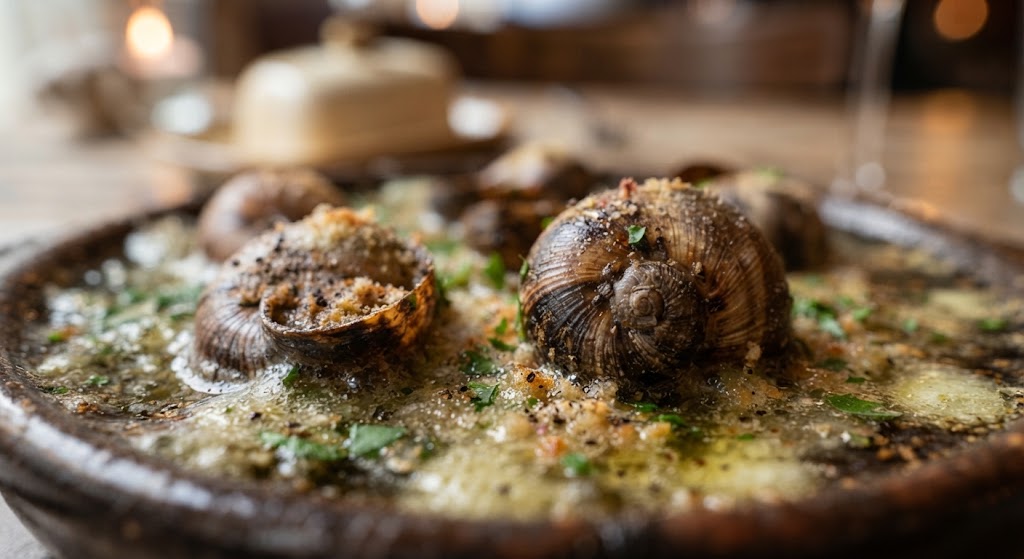
For curious diners, the experience can be as much about overcoming hesitation as it is about the taste itself.
The curiosity behind unusual dishes
Other foods that can challenge diners include frog legs, octopus, fermented delicacies and dishes featuring animal organs. While these foods may appear unusual to someone encountering them for the first time, they are considered traditional or everyday foods in various cultures.
The growing interest in such dishes has also been fuelled by food creators and chefs who introduce audiences to ingredients they might otherwise never consider. Social media videos showing people tasting unfamiliar foods have turned the reaction itself into part of the experience, with viewers watching to see whether the diner enjoys or rejects the dish.
More than just a food challenge
Trying an unfamiliar food does not necessarily mean enjoying it. Taste, texture, smell and preparation can all determine whether a first bite becomes a memorable discovery or a meal someone would rather forget.
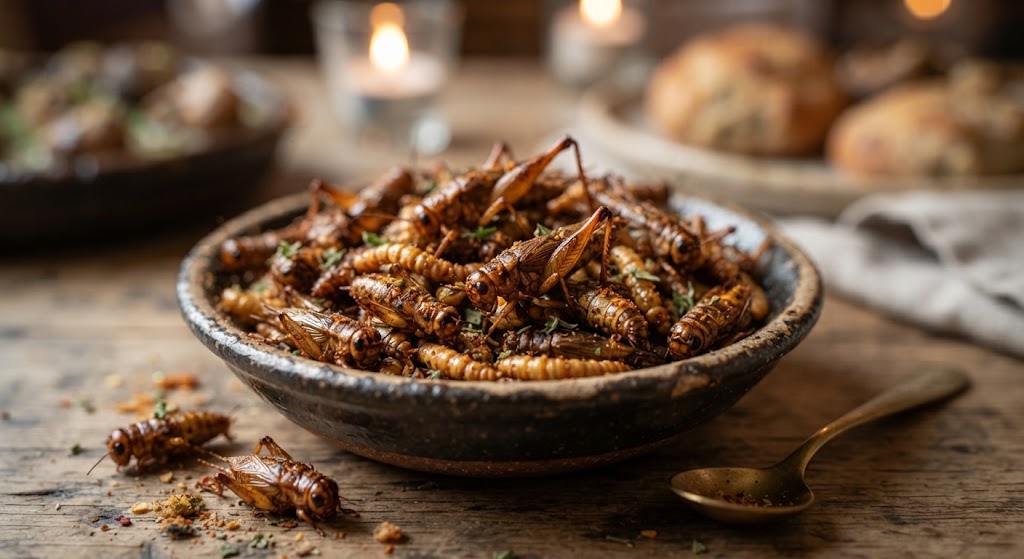
For adventurous foodies, however, the willingness to try something different can make eating an opportunity for exploration. What initially appears strange can sometimes become a new favourite, while even an unsuccessful tasting can provide a story to share.
As food culture continues to evolve, the definition of what belongs on the dinner table has increasingly become a matter of curiosity, culture and personal taste.