Advertisement
Fake meat: Simple ways to tell if the meat you buy is fresh
25th September, 2026 11:29 AM
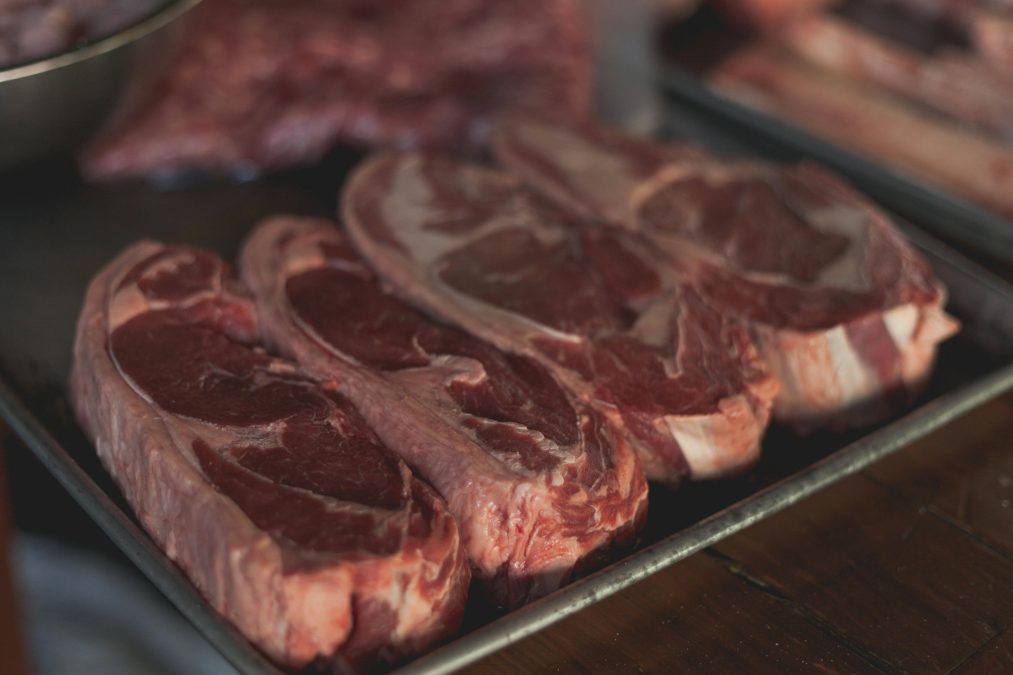
Buying meat is something many households do regularly, whether it is beef for stew, chicken for a weekend meal or goat meat for a family gathering. While most people look at the colour when choosing meat, freshness is not determined by appearance alone.
The smell, texture, storage conditions and, in some cases, the condition of the meat after cooking can provide useful clues. Knowing these signs can help shoppers avoid taking home meat that has already started to spoil.
Look beyond the colour
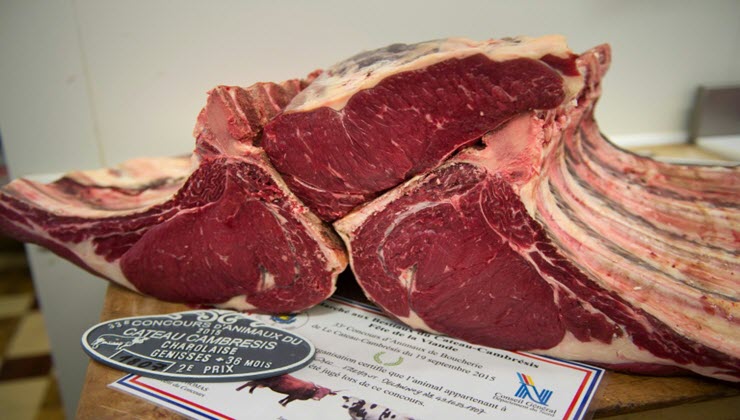
Colour is usually the first thing noticed at a butcher’s shop. Fresh beef exposed to oxygen can have a bright red appearance, while meat that has not been exposed to much oxygen can look darker or purplish.
According to the United States Department of Agriculture’s Food Safety and Inspection Service, a change in colour alone does not necessarily mean meat has spoiled. Fresh meat can naturally become darker or brownish as it is exposed to air and kept in storage. However, a colour change combined with an unpleasant smell or a sticky or slimy texture can indicate spoilage.
This means shoppers should avoid judging meat simply because it does not have a bright red appearance.
Smell and texture can offer clues
Fresh meat should not have a strong unpleasant smell. If beef, goat meat or chicken has an unusual sour, rotten or otherwise offensive odour, it is better not to buy it. Texture is another sign to consider. Meat that feels unusually sticky, tacky or slimy may have started to spoil. These changes can happen as spoilage bacteria multiply.
However, there is an important distinction between spoilage and harmful bacteria. Disease-causing bacteria may be present without changing the food’s smell, taste, or appearance. This means meat that looks and smells normal is not automatically safe.
Proper refrigeration and cooking are therefore just as important as checking the meat at the point of purchase.
What if the meat has already been boiled or cooked?
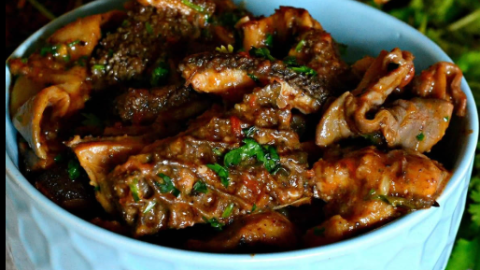
It becomes harder to judge the original freshness of meat after it has been boiled, fried or added to a stew. Cooking naturally changes its colour, smell and texture, so these changes should not automatically be taken as signs that the meat was bad before it was cooked.
Still, cooked meat can develop noticeable signs when it has been stored for too long. An unusual smell, slimy surface, or significant change in texture can indicate spoilage.
A cooked meal should also be considered in relation to how it was stored. Cooked leftovers should be refrigerated within two hours and generally used within three to four days when properly refrigerated.

If cooked meat has been left at room temperature for an extended period, it should not be judged safe simply because it still looks or smells normal.
Can taste tell you if meat is bad?
Taste can sometimes reveal that meat has spoiled. Spoilage bacteria can cause food to develop unpleasant tastes and smells. Meat that tastes sour, rancid, or noticeably different from its normal flavour should not be eaten.
However, tasting questionable meat is not a safe way to test whether it can be eaten. Harmful bacteria may not affect taste at all, meaning a person could taste meat that appears normal and still be exposed to bacteria that can cause foodborne illness.
For this reason, if meat already has a suspicious smell, appearance, or storage history, it is safer to discard it rather than taste it to find out.
Cooking does not replace proper handling
At home, meat should also be kept refrigerated, and raw meat should be separated from foods that are ready to eat. Cooked leftovers should be cooled and refrigerated promptly instead of being left on the kitchen counter for hours.
Freshness, therefore, cannot be determined by one sign alone. Before buying meat, check its smell, texture, packaging and storage conditions rather than relying only on colour. After cooking, pay attention to unusual smells or textures and, most importantly, consider how the food was stored.
A meal that tastes normal is not necessarily safe, just as meat with a darker colour is not necessarily spoiled. Good handling, proper storage and thorough cooking remain the most reliable ways to keep meat safe from the market to the plate.