Advertisement
Is crocodile edible? Benefits and risks of eating its meat
26th July, 2026 01:56 PM

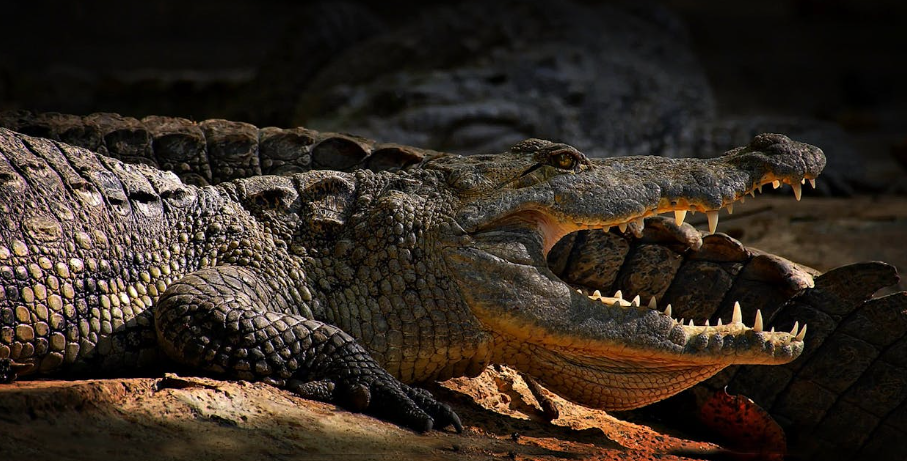
Crocodile meat has become an unusual delicacy in some parts of the world, including sections of Africa, Australia, and Asia. While it is considered safe to eat when properly sourced and cooked, it is not a meat that should be consumed without understanding its potential health risks.
Many people describe crocodile meat as tasting like a cross between chicken and fish. However, not every part of the reptile is suitable for human consumption. The edible portions mainly come from the tail, which is the most tender and commonly eaten cut, as well as the backstrap (loin), legs and parts of the jaw.
Internal organs, skin, bones and other body parts are generally not eaten and should only be handled by trained processors.
The edible meat is rich in protein
The tail is regarded as the best cut because it is lean, tender and packed with high-quality protein. Protein helps the body build and repair muscles, maintain healthy skin and support the immune system.
The loin and leg meat also provide protein while containing less fat than many traditional red meats. However, these benefits are only realised when the meat comes from healthy animals raised or harvested under proper food safety regulations. According to the Food and Agriculture Organization of the United Nations (FAO), animal-source foods can play an important role in a balanced diet when they are produced and handled safely.

It contains useful nutrients
Edible crocodile meat also contains nutrients such as iron, zinc and vitamin B12, which support blood production, immunity and nerve function. These nutrients make it comparable to other lean animal proteins like chicken and fish.
Still, nutrition experts recommend treating crocodile meat as an occasional addition to a balanced diet rather than relying on it as a staple food.
The biggest concern is food poisoning
One of the main risks of eating crocodile meat is the possibility of foodborne illness. Crocodiles naturally live in rivers, lakes and wetlands where bacteria and parasites may be present.
If the meat is undercooked or contaminated during preparation, harmful organisms such as Salmonella and other bacteria can survive and cause illness. Symptoms may include diarrhoea, stomach cramps, vomiting, fever and dehydration.
The World Health Organization (WHO) warns that unsafe food containing harmful bacteria, viruses or parasites causes more than 200 diseases, making proper food handling and thorough cooking essential in preventing foodborne illnesses.
There is a risk of parasite infections
Wild crocodiles can carry parasites that are destroyed only through thorough cooking. Meat that is smoked, dried or lightly cooked may not reach temperatures high enough to kill these parasites.
People who consume infected meat may develop digestive problems, prolonged stomach discomfort or other health complications depending on the type of parasite involved.
The United States Department of Agriculture (USDA) Food Safety and Inspection Service advises consumers to cook meat thoroughly and follow safe food handling practices to reduce the risk of foodborne infections.
It may contain environmental contaminants
Crocodiles are predators at the top of the food chain, meaning they can accumulate pollutants from the animals they eat and the waters they inhabit.
In some environments, crocodiles may be exposed to heavy metals such as mercury or lead, as well as industrial pollutants. While farmed crocodiles are generally monitored more closely, meat from poorly regulated or illegally hunted animals may pose a greater risk.
Eating too much may not be the healthiest choice
Although crocodile meat is lean, eating large amounts of any single type of meat is not recommended. A diet that focuses heavily on one protein source may reduce the variety of nutrients obtained from other foods such as fish, legumes, vegetables and whole grains.
Large portions of animal protein can also place extra strain on the kidneys in people who already have kidney disease. Those with gout may also need to limit excessive meat intake because animal proteins contain purines, which can contribute to increased uric acid levels.
Pregnant women, young children, older adults and people with weakened immune systems are more vulnerable to serious foodborne infections. If crocodile meat is not cooked properly or comes from an unreliable source, these groups face a greater risk of severe illness than healthy adults.