Advertisement
Explainer: What happens when you make a call
04th March, 2026 12:56 AM
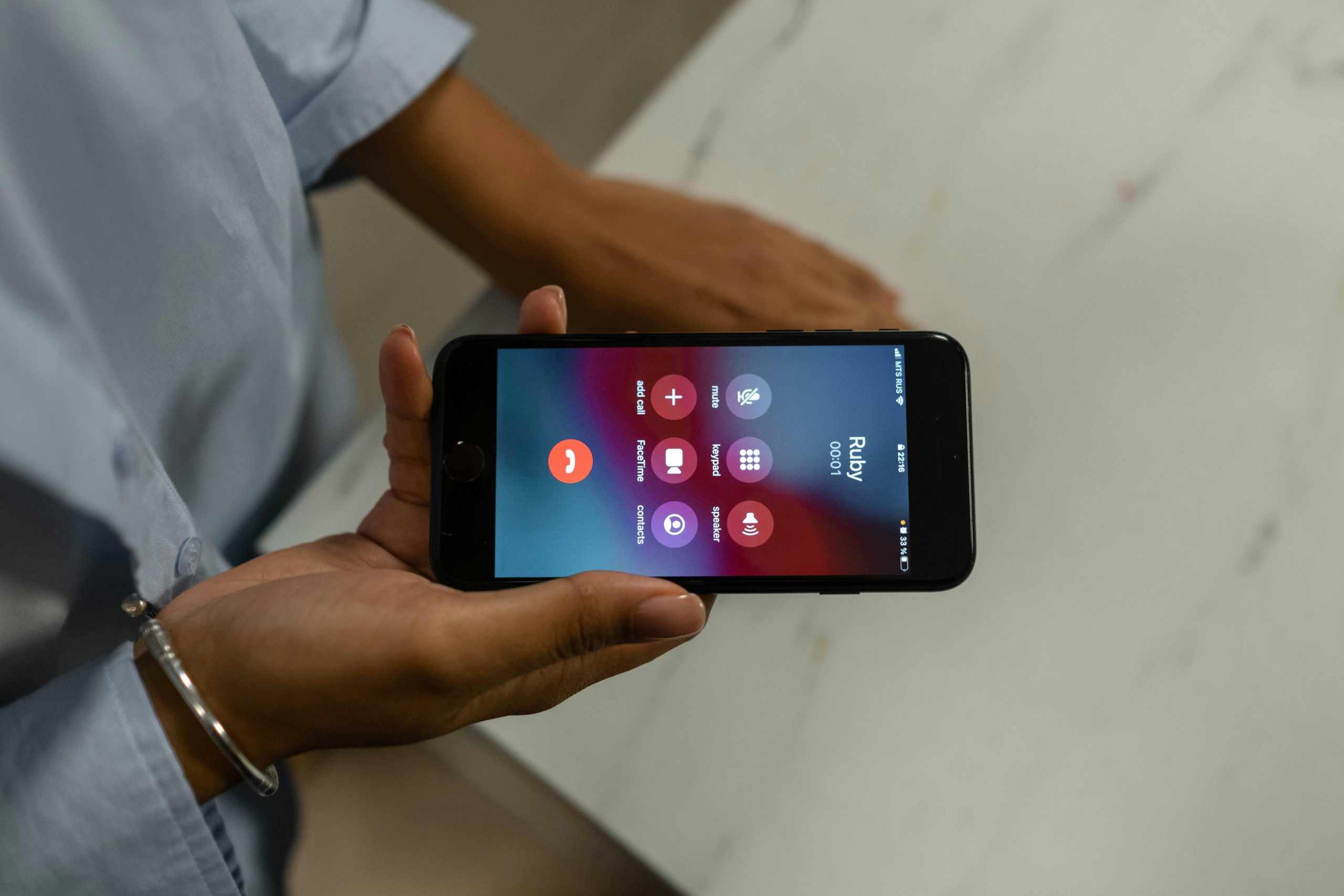
Making a phone call feels effortless. You tap a name, press call, and within seconds, you hear a ringing tone.
It seems simple, almost automatic. Yet behind that brief moment is a rapid, carefully coordinated process involving radio signals, cell towers, network systems, and digital conversion.
Here is how it happens from start to finish.
Dialling the number
The process begins the moment you press the call button. Your phone sends a request to your mobile service provider.
This request contains the number you are calling, your SIM card identity, and your phone’s location.
Your phone does not send this through WiFi unless it is an internet call. For a regular call, it uses radio waves to communicate with the nearest cell tower. That tower acts as the first checkpoint in the journey.

If you are in an area with weak coverage, the signal may struggle to reach the tower clearly. That is why calls sometimes fail to connect in remote areas or inside thick buildings.
Network verification
Once the tower receives your signal, it forwards it to your network’s switching system. Before the call proceeds, the system checks your line.
If you are on prepaid, it confirms that you have enough airtime. If your balance is too low, the system immediately blocks the call and plays a message about insufficient funds.
It also checks whether your SIM card is active and not restricted. If everything is valid, the system begins locating the person you are calling.
Locating the receiving phone
Every switched-on phone regularly updates its location with the nearest cell tower. The network uses this information to find the other person’s device.
If the receiving phone is off, out of coverage, or in aeroplane mode, the network cannot complete the connection and informs you that the number is unreachable.
If the person is already on another call and does not have call waiting enabled, you hear the familiar busy tone.
If the phone is available, it begins to ring.
Converting your voice into digital signals
When the other person answers, the real magic begins. Your voice is captured by your phone’s microphone and converted into digital data.
This data is sent as radio signals to the nearest tower, then routed through network cables and switching centres toward the other person’s location.
When it reaches their phone, the digital data is converted back into sound through their speaker. This entire process takes milliseconds, which is why conversations feel instant.
Why do calls sometimes drop
As you move while talking, your phone may switch from one tower to another. This process is called a handover. If the switch fails due to a weak signal or congestion, the call drops.
Other reasons include network overload, technical faults, or sudden signal loss.