Advertisement
Diesel gets cheaper: Why matatu operators are unlikely to cut fares
15th August, 2026 07:50 AM
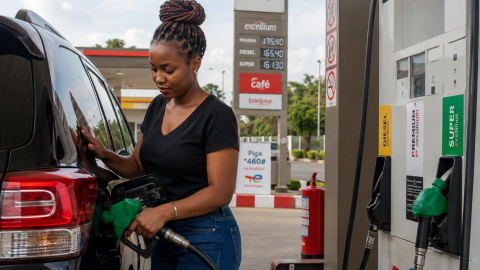
Kenyan motorists and transport operators have received some relief after the Energy and Petroleum Regulatory Authority (EPRA) announced a Ksh 5 per litre reduction in diesel prices.
The new prices take effect from Saturday, August 15, 2026, to September 14, 2026, with diesel retailing at a maximum of Ksh217.86 per litre in Nairobi, down from Ksh222.86. Super petrol remains unchanged at Ksh 214.03 per litre, while kerosene will retail at Ksh191.38.
Similar adjustments apply across major towns. EPRA attributed the diesel reduction to lower landed costs of imported fuel and government stabilisation measures worth Ksh938 million.
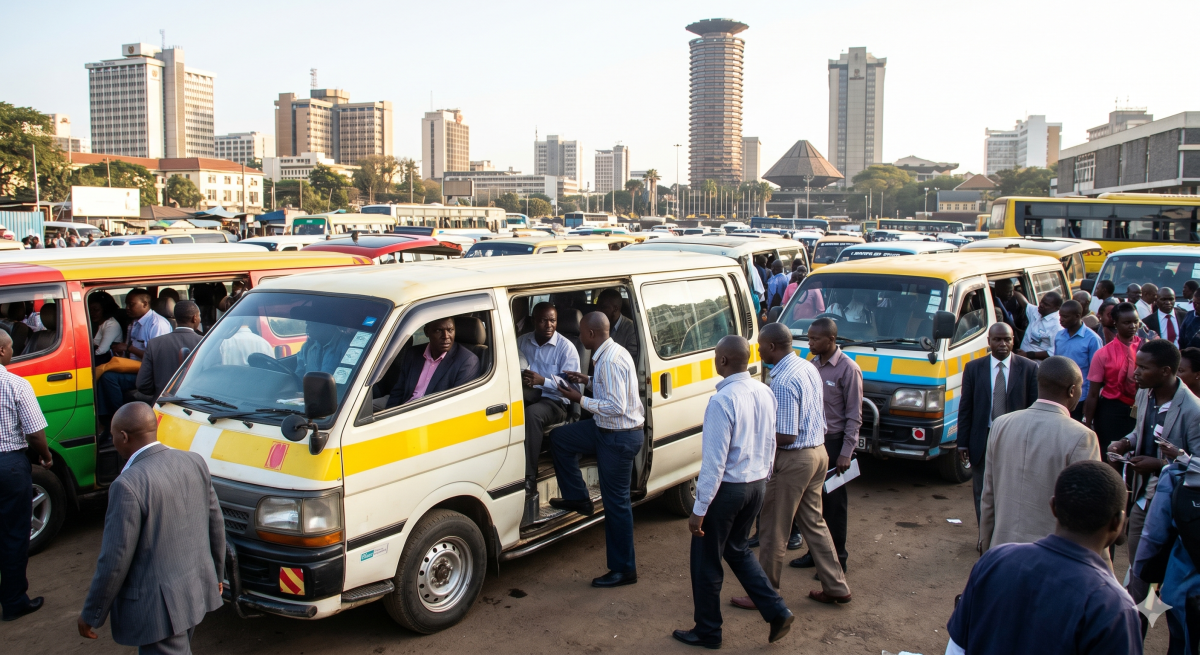
For diesel-dependent businesses, the cut offers some breathing room. But for millions of commuters who rely on matatus, there is little reason to expect cheaper fares at the bus stop just yet.
Why matatu fares may not fall
A Ksh5 reduction may sound significant, but for most matatu operators, the saving is relatively small compared with the overall cost of running a vehicle.
The latest cut also comes after diesel prices surged sharply earlier in the year. Those increases pushed operating costs higher and forced many operators to raise fares, in some cases by as much as 25 per cent.
The current reduction does not undo those earlier increases. Diesel remains considerably more expensive than it was before the recent price shocks, meaning operators are still working with higher costs.
In simple terms, a small reduction in fuel prices does not automatically restore the cost structure that existed before fares were increased.
How much does a Ksh5 fuel cut actually save?
Consider a typical matatu that consumes between 30 and 40 litres of diesel during a busy day.
At a Ksh5 reduction per litre, the operator would save roughly Ksh150 to Ksh200 a day on fuel.
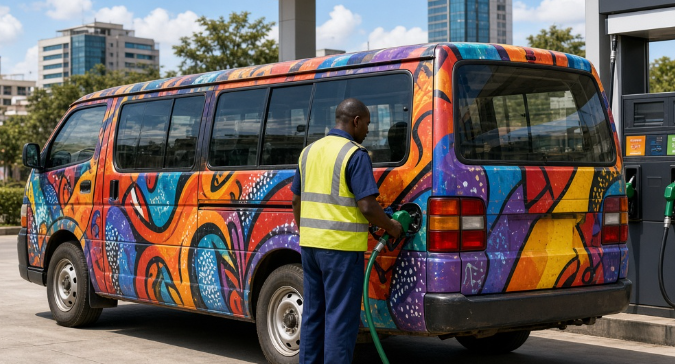
For a business facing multiple other expenses, that saving may not be enough to justify reducing passenger fares.
Matatu operators must also cover vehicle maintenance, tyres, insurance, licences, spare parts, wages for drivers and conductors, financing costs and other daily expenses.
Vehicle financing has become particularly significant, with some matatus now costing more than Ksh7 million.
Poor roads add to the pressure
Fuel prices are only part of the problem.
Poor road conditions, particularly on some routes in Nairobi, contribute to increased vehicle wear and tear. Congestion can also push up fuel consumption as vehicles spend more time idling or moving slowly through traffic.
That means even when the price of diesel falls slightly, operators can still face substantial costs elsewhere.
For many, the priority is therefore to recover some of the margins lost during the period of higher fuel prices rather than immediately pass a small saving on to passengers.
Author
William Muthama
William Muthama is a digital journalist with a focus on entertainment, human interest, and current affairs. Share stories: [email protected]/ [email protected]
View all posts by William Muthama