Advertisement
EPRA review: What is kerosene used for and why is it the cheapest fuel in Kenya?
15th August, 2026 09:41 AM
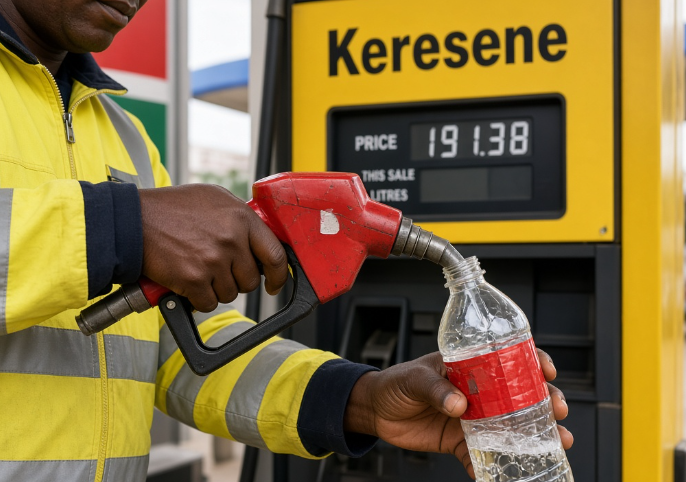
Kerosene remains the cheapest of Kenya’s three main regulated petroleum products following the latest monthly fuel-price review by the Energy and Petroleum Regulatory Authority (EPRA).
For the period running from Saturday, August 15 to September 14, 2026, EPRA maintained the maximum Nairobi price of kerosene at Ksh191.38 per litre.
Super petrol also remained unchanged at Ksh214.03 per litre, while diesel became cheaper by Ksh 5, falling to Ksh217.86 per litre.
That leaves kerosene significantly cheaper than both petrol and diesel at the pump.
But what exactly is kerosene used for, and why does it remain Kenya’s cheapest regulated fuel despite rising demand for cleaner alternatives?
What is kerosene used for?
Kerosene, also known as paraffin, is a combustible liquid fuel refined from crude oil.
In Kenya, its most common uses have traditionally been cooking and lighting.
For households without reliable access to electricity or those unable to afford alternative fuels, kerosene can be used in portable cooking stoves.

It is also used in traditional lamps to provide lighting, particularly in areas where households remain off the electricity grid.
Beyond household use, kerosene has industrial applications, including use as a solvent. Highly refined kerosene-based fuel is also used in aviation as jet fuel.
However, household cooking and lighting have historically accounted for a significant share of kerosene use in Kenya.
Why is kerosene cheaper than petrol and diesel?
The price difference is not simply because kerosene costs less to produce.
Government policy plays a major role.
Kerosene has historically been subject to a lower overall tax and levy burden than petrol and diesel, partly because it is considered an important household fuel for lower-income consumers.
The government has also used fuel-price stabilisation measures to cushion consumers when international oil prices and import costs rise.
During the latest pricing cycle, government support worth Ksh 938 million helped stabilise fuel prices.
These measures can help keep kerosene within reach of households that continue to depend on it for essential energy needs.
Why does the government support kerosene?
For many years, kerosene was one of the most accessible fuels for households that could not afford electricity connections, LPG or other modern energy sources.
Keeping its price relatively low has therefore been viewed as a way of protecting vulnerable consumers from sudden increases in the cost of cooking and lighting.
The relatively small volume of kerosene consumed nationally also means that government support can be targeted at the fuel without creating the same fiscal pressure that would come with heavily subsidising larger petroleum markets.
There has also historically been concern about the price gap between kerosene and diesel because large differences can create incentives for fuel adulteration.
Kerosene use is falling
Despite remaining the cheapest regulated fuel, kerosene is becoming less important in Kenya’s household energy mix.
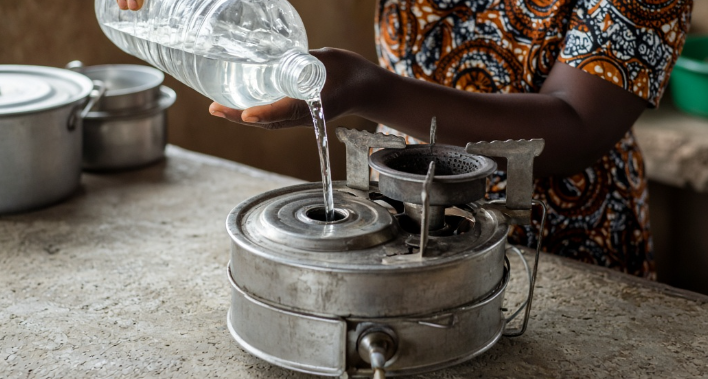
More households have shifted to electricity, LPG and solar lighting, reducing demand for kerosene.
Data from the Kenya National Bureau of Statistics has shown a significant decline in the use of kerosene for lighting as electricity access has expanded and alternative technologies have become more affordable.
The growth of LPG has also reduced the number of households relying on kerosene for cooking.
This means kerosene now accounts for a relatively small share of Kenya’s overall petroleum demand.
Author
William Muthama
William Muthama is a digital journalist with a focus on entertainment, human interest, and current affairs. Share stories: [email protected]/ [email protected]
View all posts by William Muthama