Advertisement
Orthosomnia: when trying too hard to sleep well becomes the problem
10th September, 2026 09:49 AM
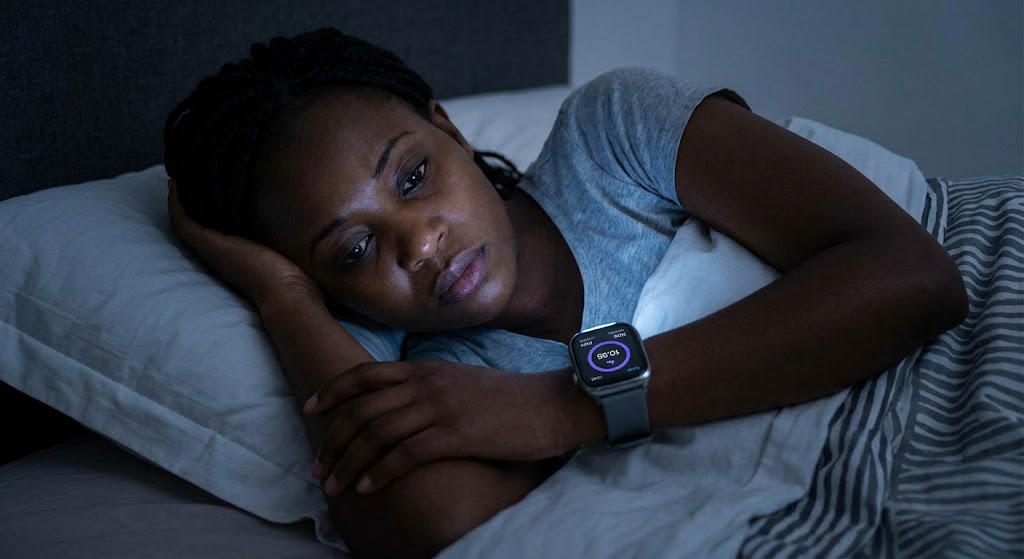
Many people now wear smartwatches or fitness bands or use mobile apps to monitor their daily rest. You go to bed expecting a peaceful night, but the first thing you do at 6:00 am is check your phone to see how well you slept.
If the screen displays a poor sleep score, your mood drops immediately. You start feeling tired, foggy, and anxious, even if you felt completely fine when you first opened your eyes.
This growing problem has an official name: orthosomnia. Coined by sleep researchers in 2017, the term combines “ortho”, meaning correct, and “somnia”, meaning sleep.
It describes an unhealthy fixation on achieving the perfect sleep score on a tracking device. Instead of helping you rest better, tracking every minute of your night can actually trigger the very sleeplessness you are trying to avoid.
How tracking your rest backfires
Consumer sleep trackers use algorithms to estimate your deep, light, and restless sleep phases. However, commercial smartwatches are not medical devices.
They often mistake simple wrist movement or a calm heart rate for actual sleep stages, giving inaccurate numbers. When you obsess over these daily scores, you create a stressful performance mindset around a natural body process.
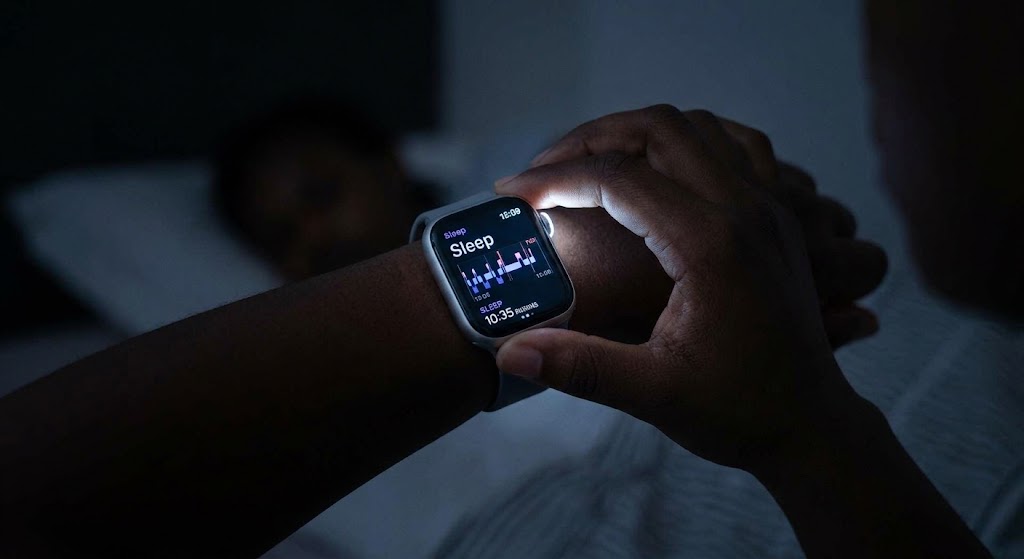
Sleep requires relaxation, but worrying about your data releases stress hormones that keep your brain alert.
In a peer-reviewed study published in the Journal of Clinical Sleep Medicine on February 15, 2017, researchers documented how tracking devices created sleep anxiety.
The authors observed that “there are a growing number of patients who are seeking treatment for self-diagnosed sleep disturbances such as insufficient sleep duration and insomnia due to periods of light or restless sleep observed on their sleep tracker data.”
Relying on a device over your own physical cues turns sleep into a daily test you fear failing.
What sleep specialists want you to do instead
Sleep experts recommend shifting your focus away from digital metrics and back to your body. First, judge your sleep quality by how you feel during the day rather than what a screen tells you.
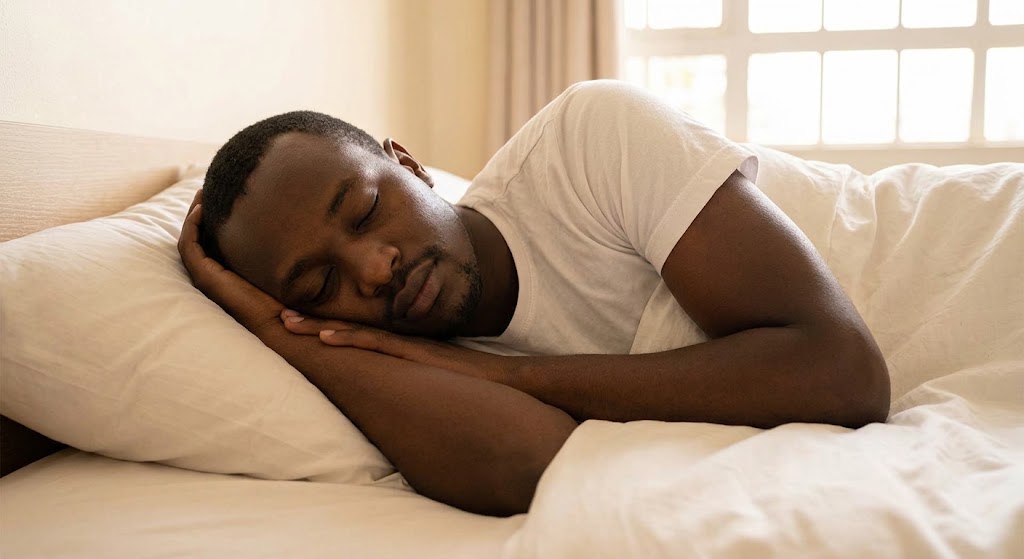
If you wake up refreshed and have enough energy to carry out your daily tasks, you got enough rest, regardless of your watch score.
Second, maintain a consistent sleep schedule by going to bed and waking up at the same time every day. Finally, if checking your morning data makes you anxious, take off the watch before going to bed for two weeks.
Your body naturally knows how to sleep when given the right conditions, without any help from an algorithm.