Advertisement
Should you get an air purifier? Here’s what you need to know before buying
07th September, 2026 09:12 PM
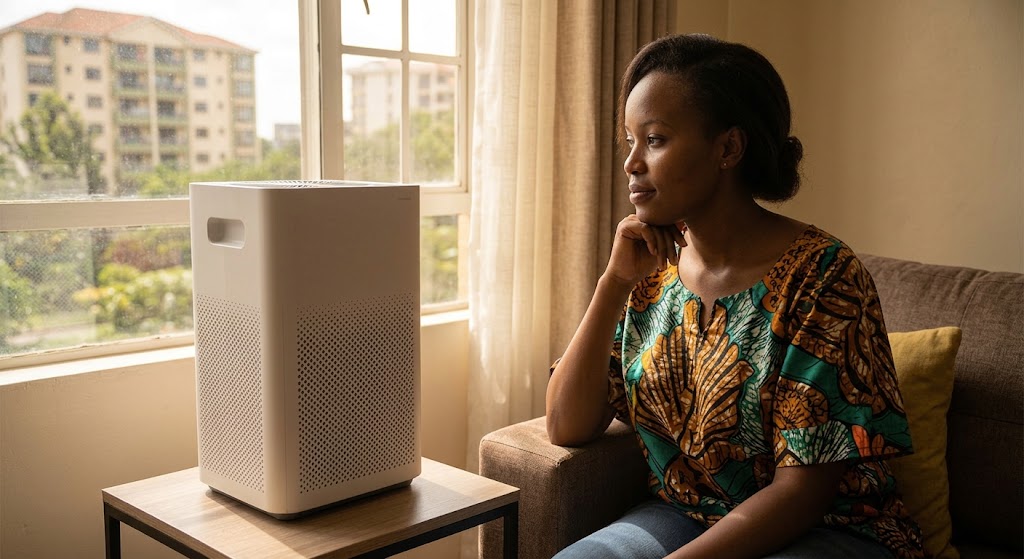
Everyday life in towns and cities brings dust, pollen, exhaust fumes, and smoke from cooking into our homes. During dry seasons or intense construction work, keeping indoor air clean can be challenging.
Many households wonder whether an air purifier is a practical purchase or an unnecessary expense.
Air purifiers clean indoor air by pulling it through internal filters, trapping harmful particles, and circulating fresh air back into the room. You do not have to rely on manufacturer claims alone to evaluate their usefulness.
In a peer-reviewed study published by the National Institutes of Health, researchers found that “HEPA air cleaners can effectively improve indoor PM2.5 air pollution”.
This reduction in fine particulate matter offers real help for households dealing with asthma, chest congestion, or persistent morning sneezes.
How air purifiers work in your home
These appliances rely on a fan and a layered filtration system. As air passes through, the outer pre-filter catches larger items like hair and visible dust. The main filtration layer traps tiny pollutants that sweeping or dusting leaves behind.
High-Efficiency Particulate Air (HEPA) filters form the engine of any reliable unit. True HEPA filters capture 99.97 per cent of airborne particles down to 0.3 microns, including mould spores, dust mites, and fine soot.
If you live near a busy road or an unpaved street, a purifier stops floating dust from settling on furniture and entering your lungs. However, these units do not produce fresh oxygen or cool a room.
Opening windows during clear weather remains necessary for healthy household ventilation.
What to check before spending your money
Selecting the right unit requires matching the machine to your room size and budget. Pay attention to the Clean Air Delivery Rate (CADR), which measures how fast the machine purifies a specific square metre area.
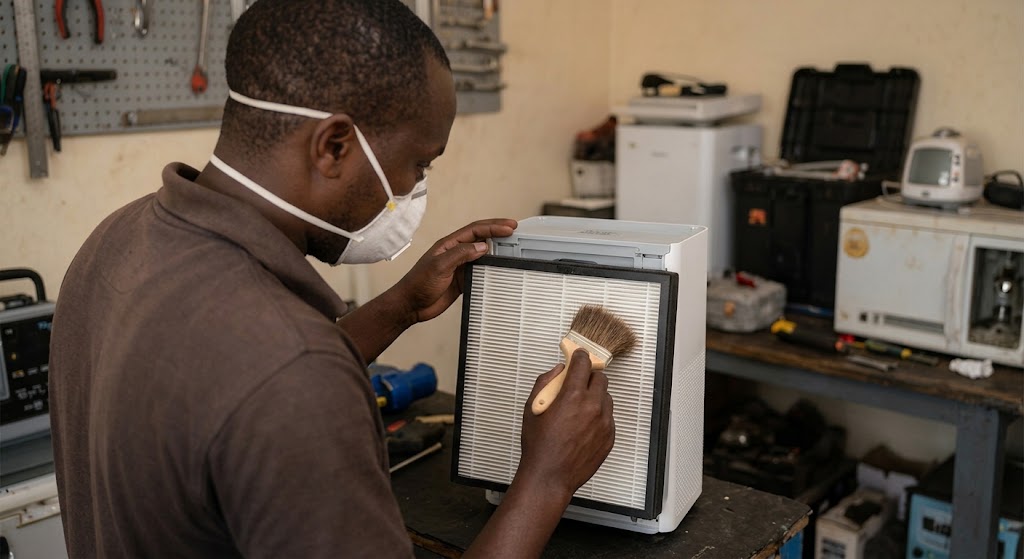
Placing a small bedroom unit in a large sitting room means the machine will run constantly without cleaning the space properly.
Prices in Kenya typically range from Ksh15,000 to Ksh45,000 depending on coverage capacity and brand. Calculate long-term running costs before buying.
Filters require replacement every six to twelve months, adding a recurring maintenance cost to your household budget. Finally, select models with mechanical HEPA filters rather than ozone-generating units, as ozone gas can irritate your throat and lungs.