Advertisement
How to avoid being conned when buying used car
01st November, 2025 09:46 AM
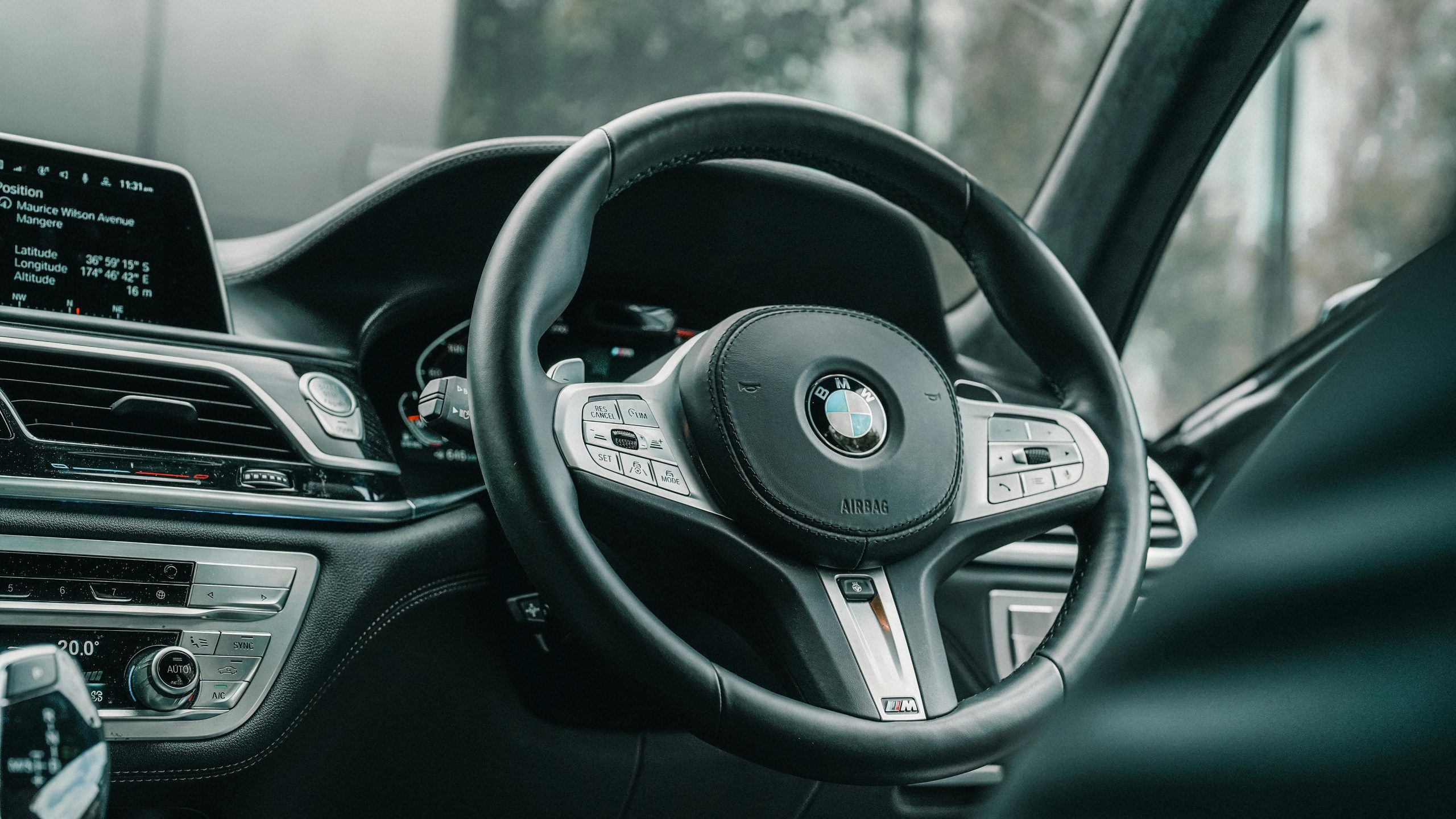
Buying a used car can be a wise financial decision, but in Kenya, it’s also one of the riskiest transactions if not handled carefully.
Fraud cases involving stolen cars, forged logbooks, and fake number plates are common. The first rule is to verify the ownership details.
Every legitimate vehicle should have a logbook registered under the seller’s name. Buyers should cross-check this information using the NTSA TIMS portal.
By entering the car’s registration number, you can confirm if the logbook details match the records in the NTSA system.
Also watch: NTSA fully digitises the vehicle ownership transfer process
Any discrepancy could mean the car is stolen or under dispute.
Avoid cash transactions without documentation and always ensure that both the buyer and seller appear in person when conducting the ownership transfer through NTSA.
Conduct thorough inspection
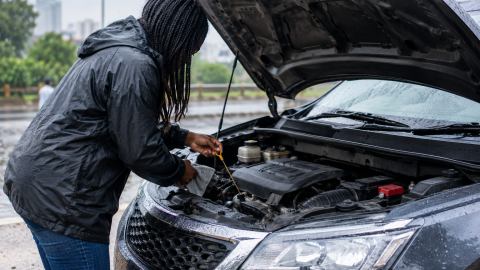
Never purchase a used car without inspecting it physically. A vehicle may appear spotless on the outside but hide serious mechanical issues underneath.
Always check the engine condition, mileage, suspension, and brake system. Verify that the chassis and engine numbers match the logbook details.
Before committing, request an inspection report from authorised service centres or independent mechanics. These reports highlight hidden problems such as past accidents, worn-out parts, or tampered mileage readings.
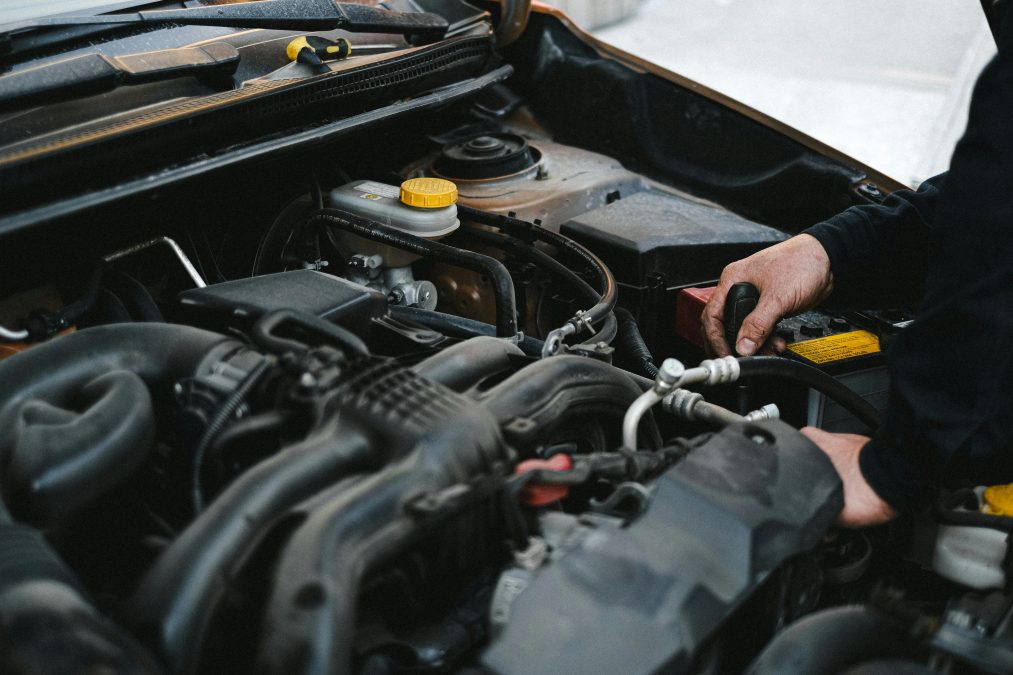
During a test drive, observe how the car performs, listen for unusual sounds, test the brakes, and check the dashboard for warning lights. If something feels off, do not proceed.
Also watch: Ruto urges local and international investors to manufacture vehicles on Kenyan soil
Fake dealers
Con artists often use online platforms like Facebook Marketplace, digital car listing sites and WhatsApp to lure unsuspecting buyers. Be wary of sellers offering vehicles at suspiciously low prices or requiring deposits before a viewing.
Only meet in safe, public locations and avoid middlemen who refuse to disclose the owner’s details. Also, check whether the car has an active loan or pending fine through the NTSA portal, as such liabilities can easily transfer to the buyer.
When finalising the deal, make sure the transfer of ownership is done officially through NTSA’s digital platform. Avoid handwritten agreements and insist on proper receipts for every payment made.
Buying a used car safely requires patience, verification, and attention to detail. Always confirm the documents, inspect the vehicle thoroughly, and complete the transaction only through official channels.
Author
William Muthama
William Muthama is a digital journalist with a focus on entertainment, human interest, and current affairs. Share stories: [email protected]/ [email protected]
View all posts by William Muthama