Advertisement
Tips for navigating digital boundaries in modern marriages
07th September, 2026 09:00 PM

Smartphones and social media have changed how married couples interact on a daily basis. From sharing real-time locations to posting family photos on Instagram or managing private direct messages, digital habits now shape intimacy in modern homes.
While technology makes daily planning easier, it also introduces fresh challenges around privacy, trust, and mutual respect between partners.
Setting ground rules for online visibility
Many couples struggle to agree on how much of their personal life belongs online. One partner might enjoy posting romantic updates, weekend outings, or family milestones, while the other prefers keeping marriage matters private.
Friction often starts when one spouse shares sensitive financial information, private arguments, or household decisions without checking with the other partner first.
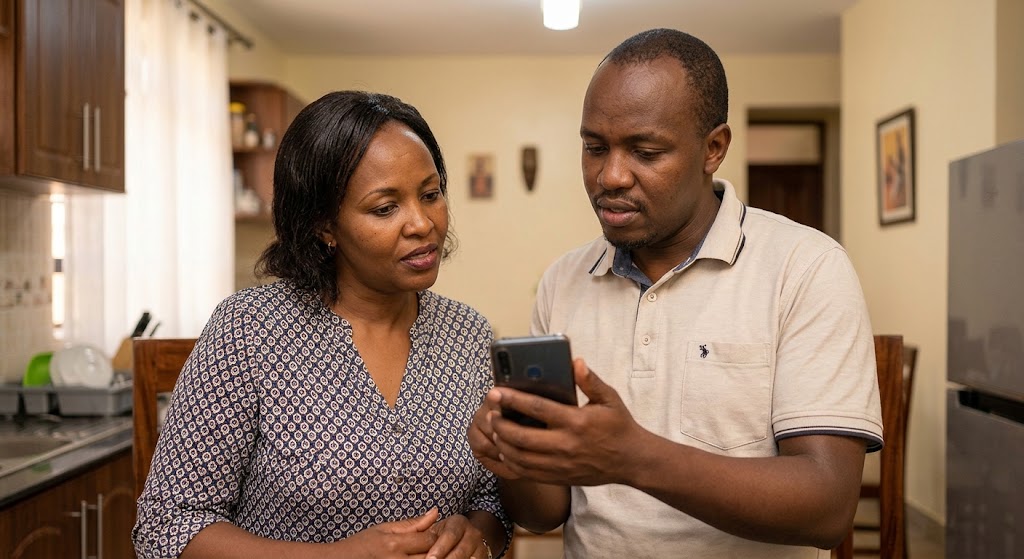
Clear conversations help couples decide what to publish, what to keep off the internet, and how to handle online interactions with friends or former partners.
Location-sharing apps can also cause tension if one spouse uses them for monitoring rather than safety. Sharing live locations works best when both partners agree voluntarily, ensuring that technology creates peace of mind rather than constant suspicion.
Digital distractions also disrupt daily communication at home. Phone-snubbing, often called phubbing, occurs when a partner scrolls through social media instead of listening to their spouse during dinner or quiet evening conversations.
In research published in the Journal of Social and Personal Relationships, scholars noted that “partner phubbing directly predicted romantic jealousy”, showing how simple phone habits can cause insecurity and weaken emotional connections in a marriage.
Protecting privacy and building trust
Handling device passwords and private messaging apps requires clear boundaries and trust. While sharing phone passwords can signal openness and transparency, demanding access out of jealousy usually damages relationship quality.
Healthy marriages thrive when spouses respect each other’s personal boundaries and refrain from snooping through private chats or direct messages.

Establishing phone-free times, such as during family meals or right before sleeping, allows couples to give each other undivided attention. Technology should support a relationship rather than control it.
Honest discussions about social media presence, location tracking, and phone habits help prevent misunderstandings and keep trust strong in modern marriages.