Advertisement
What research says about the best age to get married, and why it’s not as simple as a number
06th September, 2026 04:19 PM

Conversations about marriage age tend to circle one warning: do not rush in too young.
That advice holds up, but a 2010 study published in the peer-reviewed journal Social Science Research found the fuller picture is more layered than a single cutoff age.
Lasting is not the same as happy
Researchers Norval Glenn, Jeremy Uecker and Robert Love analysed five separate American datasets to see how marriages that started later in life actually turned out. They looked at two different things: whether the marriage survived, and how good it was.
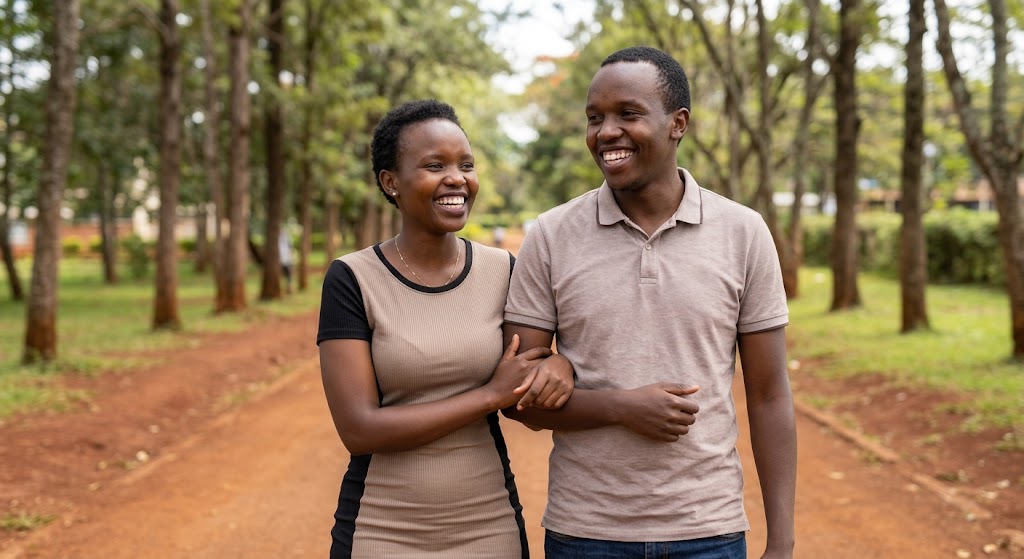
The two did not move together. Couples who married later were less likely to divorce, but they scored lower on marital quality.
In the researchers’ own words, “the later marriages fare very well in survival but rather poorly in quality.” The highest odds of a lasting, high-quality marriage belonged to those who wed between ages 22 and 25.
That does not mean 22 to 25 is a magic window everyone should aim for. The researchers were careful to note that people who marry at different ages often differ in other ways too, in income, personality and life circumstances, and some of that difference likely explains the pattern more than age itself does.
They stopped short of calling any single age range optimal for most people.
What this means beyond the numbers
For the everyday Kenyan weighing when to settle down, the takeaway is not a countdown clock. Financial stability, shared values and simply knowing your partner well tend to matter more than the exact year on your ID.

Marrying very young, before finishing school or building any independence, still carries documented risks. But waiting years past your late twenties purely because a viral post said so is not backed by strong evidence either.
Age is one factor among many, and on its own it explains very little about whether a marriage will work. The stronger predictors, according to decades of family research, remain communication, financial readiness and realistic expectations going in.