Advertisement
Secure or anxious in love? How your attachment style could sabotage your marriage
10th July, 2026 01:34 PM
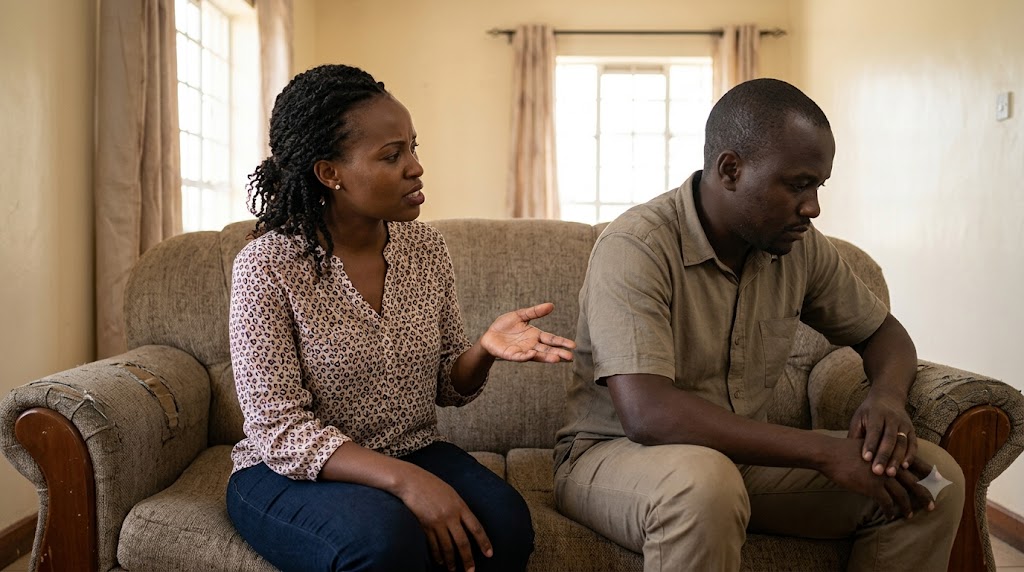
Every marriage has its own rhythm of conflict, but one pattern shows up again and again in counselling rooms across Nairobi and beyond: she pushes to talk it out, he pulls back to cool off, and somehow the gap between them only widens.
It’s not stubbornness on either side. It is an attachment style, quietly steering the whole exchange.
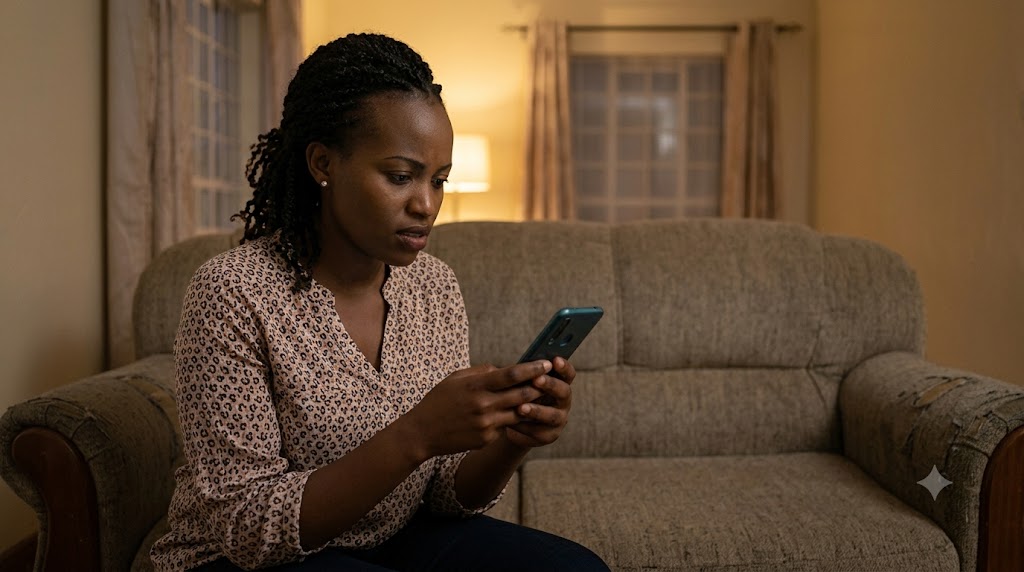
Anxious attachment in wives often shows up as a heightened alertness to a husband’s whereabouts, his tone on the phone, or how quickly he replies to a text. It is less about mistrust and more about a nervous system that reads distance as danger.
Avoidant attachment in husbands, on the other hand, often hides behind the provider role. He is present at the table, the school fees are paid, the rent is settled, so emotional withdrawal can pass as simply being “busy” or “not one for too much talk.”
The pursue-withdraw trap
Put these two styles in the same house and a familiar loop forms. She raises a concern, hoping for closeness. He retreats, hoping for space.
Her fear grows because he has gone quiet, so she pushes harder. He retreats further because the pushing feels like pressure. Round and round it goes, and neither partner ever actually gets what they need.
A 2024 study published in the Journal of Marital and Family Therapy, which followed 63 heterosexual couples through moderate conflict, found that this dynamic is beyond anecdotal.
The researchers noted that “during the woman’s issue, men were more likely to withdraw, while during the man’s issue, women higher in attachment anxiety were more likely to demand.”
In other words, the same underlying insecurity plays out differently depending on whose concern is on the table, but the demand-withdraw cycle holds steady either way.
Breaking the cycle without blame
The good news is that attachment styles are not life sentences. Therapists working with couples typically start by helping each partner name the pattern out loud, without turning it into a character flaw.
A husband who withdraws is not cold; he is protecting himself the only way he learned how. A wife who pursues is not needy; she is seeking the safety her nervous system has been taught not to trust.
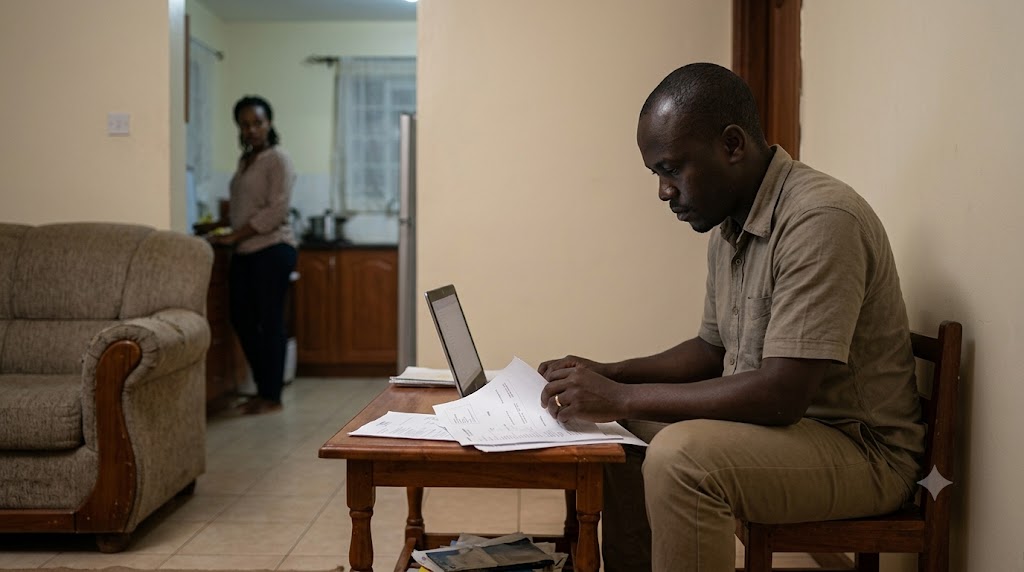
Small, deliberate shifts help more than grand gestures. A husband can practise staying in the room for five more minutes before stepping awayand saying out loud that he needs a short break, rather than vanishing without a word.
A wife can practise voicing what she actually needs: calm reassurance, a hug, ten minutes of undivided attention, instead of circling the issue with questions. Over time, these small repairs teach both partners that closeness does not have to feel like danger, and space does not have to feel like abandonment.