Advertisement
How to reset your child’s sleep pattern before schools reopen
20th August, 2026 12:45 PM
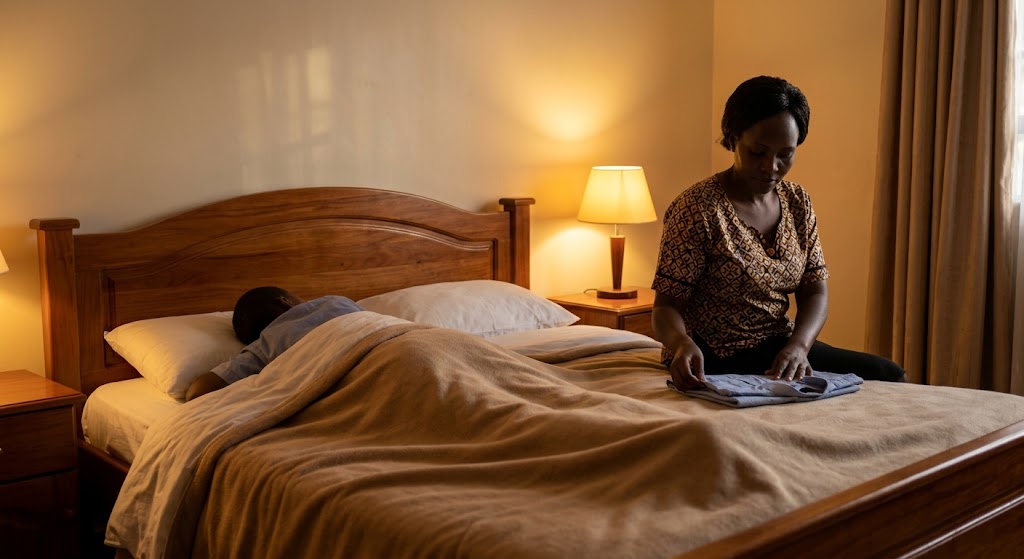
As the August holiday winds down, daily routines across Kenya are about to change. Weeks of late nights, sleeping in, and flexible schedules must now give way to early morning alarms, ironed school uniforms, and quick breakfasts.
For many parents, convincing a child who sleeps at 10:00 pm to suddenly wake up at 5:30 am leads to morning battles. This abrupt change leaves children tired, cranky, and struggling to pay attention during their first week back in class.
Adjusting the clock 20 minutes at a time
The secret to beating back-to-school tiredness lies in your child’s internal biological clock. When children stay up late over the holidays, their bodies adapt to that routine, making it hard to fall asleep early on demand.
Forcing a sudden two-hour change on the night before school opens rarely works. Instead, sleep experts suggest shifting bedtime earlier in small steps starting five to seven days before the term starts.

Moving your child’s bedtime and wake-up time 20 minutes earlier each night allows their body clock to adjust naturally without stress.
Peer-reviewed research published in Pediatrics confirms that “adolescents can substantially increase sleep duration by advancing bedtime” when guided by consistent schedules.
This steady adjustment ensures children get the full eight to ten hours of sleep needed to start day one with clear minds and steady energy.
Building a calm evening routine
A smooth transition also relies on simple household habits, especially around lighting. Morning sunlight helps signal to the body that it is time to wake up, while bright lights at night trick the brain into staying awake.

Encouraging outdoor play in the morning sun and dimming house lights after supper sets the right mood for rest. Screens are another major challenge. Televisions, mobile phones, and tablets emit blue light that blocks melatonin, the body’s natural sleep hormone.
Turning off digital devices an hour before bed and replacing them with a quiet activity, like reading a book, tells the brain it is time to sleep. Keeping meal times fixed alongside bedtime also strengthens the routine.