Advertisement
World Suicide Prevention Day: How to check in on someone you’re worried about
10th September, 2026 10:00 AM

Everyday life in Kenya moves fast, and it is easy to miss the subtle signs that a friend, relative, or colleague is going through a tough time. People often hide emotional distress behind a smile or a casual response like ‘niko sawa’.
Marked every year on September 10, 2026, World Suicide Prevention Day is a reminder that a timely, caring check-in can save a life. You do not need to be a mental health expert to reach out to someone who seems withdrawn or overwhelmed.
Starting the conversation directly
When you notice changes in someone’s behaviour, like pulling away from friends or losing interest in daily activities, pick a quiet and private place to talk. Speak plainly and share what you have noticed.
You can start with something simple: “I noticed you have been very quiet lately, and I wanted to see how you are doing.”
Many people hesitate to use the word “suicide” because they fear it might put the idea into someone’s head. However, evidence shows that asking about it directly is actually protective.
Peer-reviewed research published in Psychological Medicine showed that “acknowledging and talking about suicide may in fact reduce, rather than increase suicidal ideation.”
Asking direct questions like, “Are you having thoughts of ending your life?” gives the person a safe opportunity to open up without feeling judged.
Listening without judgement
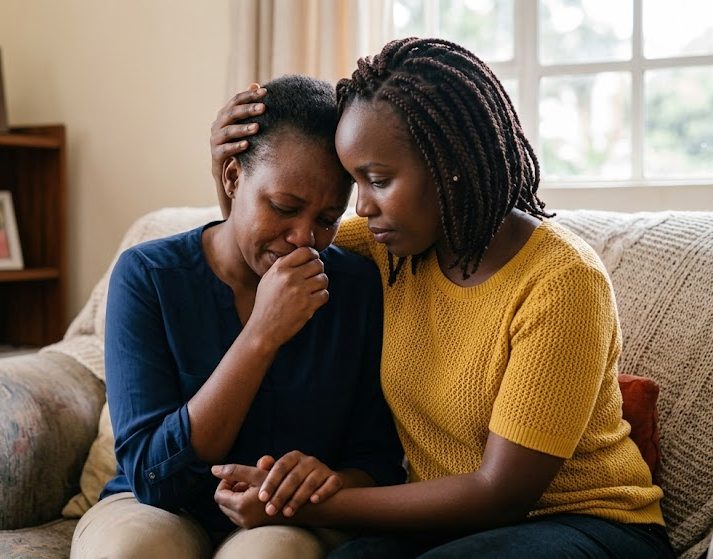
When the person opens up, your main job is to listen calmly. Resist the urge to give immediate advice, dismiss their feelings, or tell them to cheer up.

Telling someone that “things could be worse” often makes them feel unheard and even more isolated. Instead, validate what they are feeling by saying something like, “Thank you for trusting me with this. It sounds like you are carrying a lot right now.”
Listening attentively gives them space to process their thoughts. Once they finish talking, ask how you can best support them.
Offer to help them connect with professional care, such as accompanying them to a local healthcare facility or calling a helpline like the Kenya Red Cross line on 1199.
Follow up with a quick call or text in the days that follow to reassure them that they do not have to carry the weight alone.