Advertisement
How to child-proof a home for a crawling baby
09th September, 2026 08:48 PM
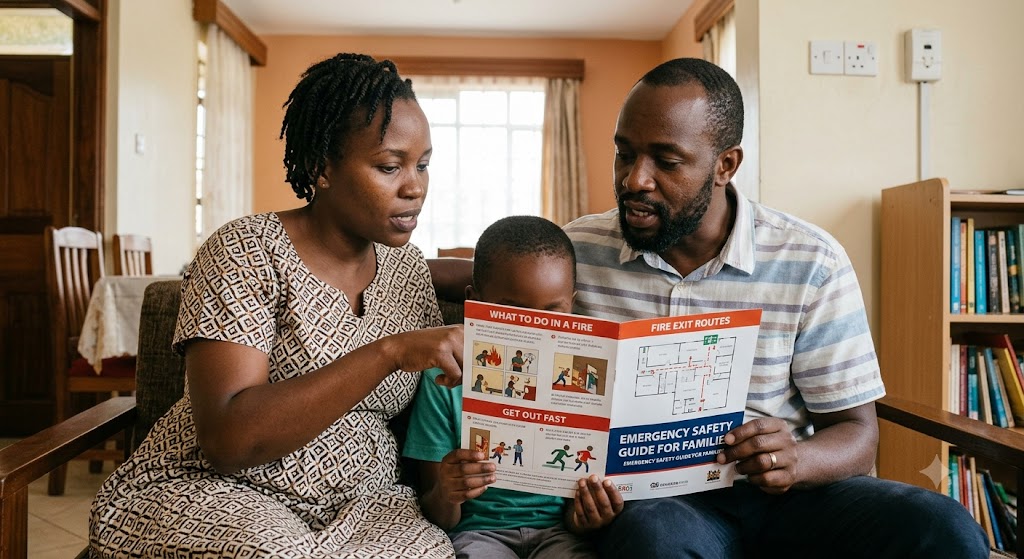
Once a baby starts crawling, every room in the home presents new hazards. In a typical apartment, low power sockets, heavy furniture, and internal doors create constant risks for an inquisitive child.
Making a home safe does not require an expensive makeover, but it does demand a methodical room-by-room approach.
Securing the living room and bedrooms
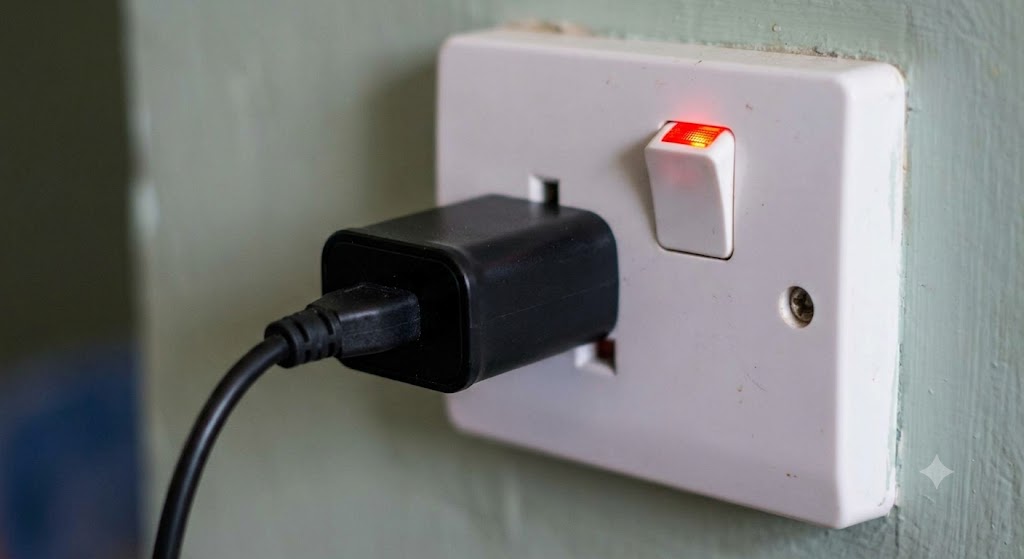
Living rooms are prime spots for exploration, but they harbour several risks. Sockets mounted low on walls are an immediate danger.
Standard plastic three-pin safety plugs, sold in local Nairobi hardware shops for around Ksh150 a pack, block open slots effectively. However, simple push-in covers can sometimes be pulled out by older toddlers, so sliding outlet covers offer better long-term protection.
Furniture stability is another key priority. Lightweight display units, unstable TV stands, and glass-top coffee tables tilt easily when a crawling child pulls up to stand. Anchoring heavy pieces directly to the wall using basic brackets removes this risk entirely.
Doors present another major hazard. Door finger-traps account for a large proportion of paediatric hand injuries in Kenya when doors slam shut on tiny fingers.
Fitting simple foam door stoppers or soft-close guards onto bedroom and lounge doors prevents hinges from closing completely on hands.
Handling kitchen and bathroom risks
Kitchens and bathrooms contain the highest concentration of chemical hazards. Paracetamol, bleach, liquid detergents, and jik are often stored under sinks or inside low cabinets.
A University of Nairobi study on domestic child accidents noted that “29.4% homes had custody of medicines and potentially harmful chemicals within easy reach of the children”, highlighting how common this oversight is.
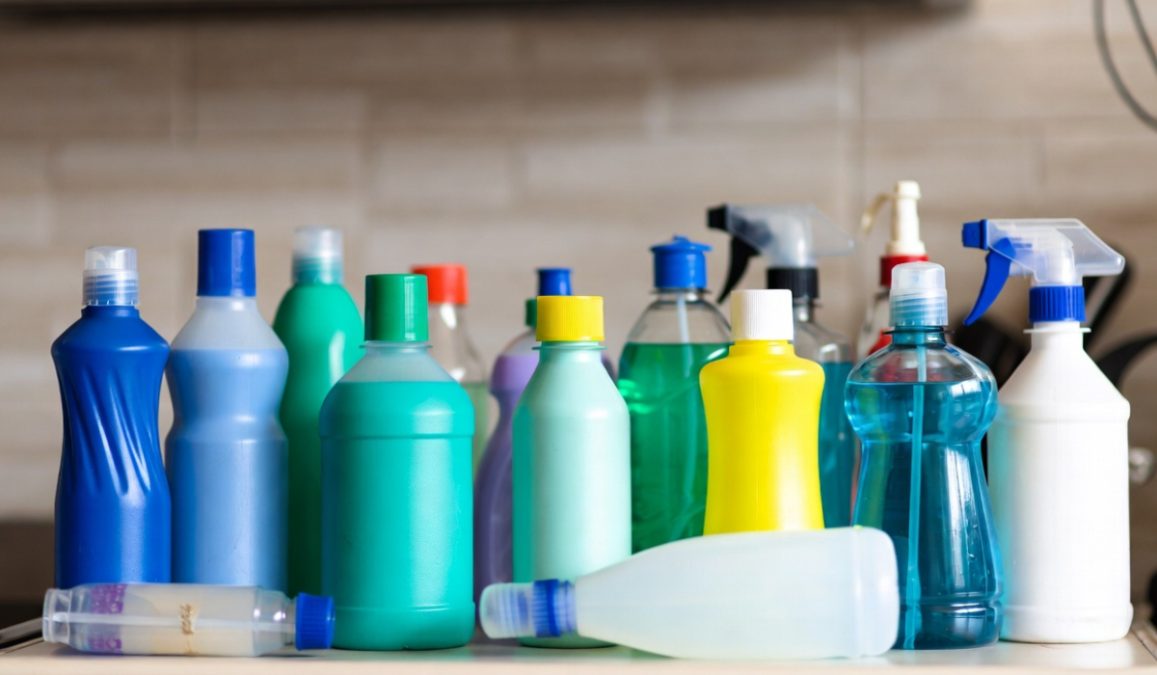
To prevent accidental poisoning, store all cleaning agents, cosmetics, and medicines at a minimum height of 1.5 metres above the floor. This is significantly higher than most parents assume is necessary, but it keeps items well out of reach even when a toddler stands on tiptoes or climbs onto a stool.
For low kitchen drawers containing sharp utensils or heavy sufurias, fit simple mechanical cabinet latches. Keeping bathroom doors closed at all times also prevents access to buckets filled with water, which pose a severe drowning risk to young children learning to balance.