Advertisement
How to adequately child-proof a home for the school holidays
20th June, 2026 01:25 PM
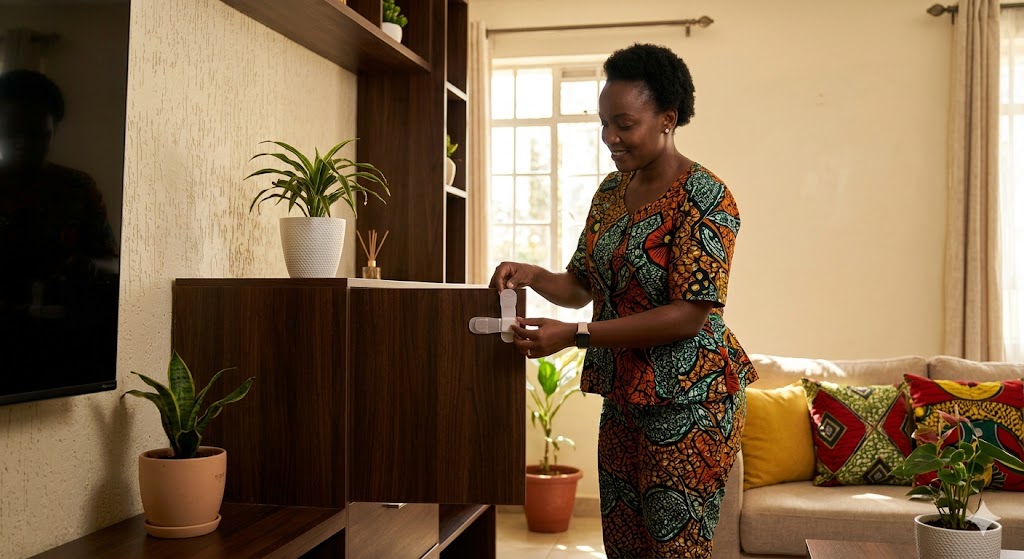
School holidays are almost here, and homes are suddenly full of life and energy. While keeping children safe from home accidents is a top priority for every parent, transforming the living room into a heavily padded cell is not the solution.
A house should still look like a home, and children need the room to play, discover, and learn without feeling restricted. Achieving this balance requires smart tweaks that protect the children while keeping the house practical and beautiful for adults.
Keeping it safe without losing comfort or control
Locking down every room or banning children from the sitting room only breeds frustration.
A home does not need to feel sterile to be safe. In fact, total restriction can work against a child’s natural growth.
Research published in the Jornal de Pediatria notes that “the younger the child, the higher the frequency of household injuries,” which highlights why targeting the right spots matters most. Instead of over-regulating everything, parents should focus on major hazards that cause severe harm.
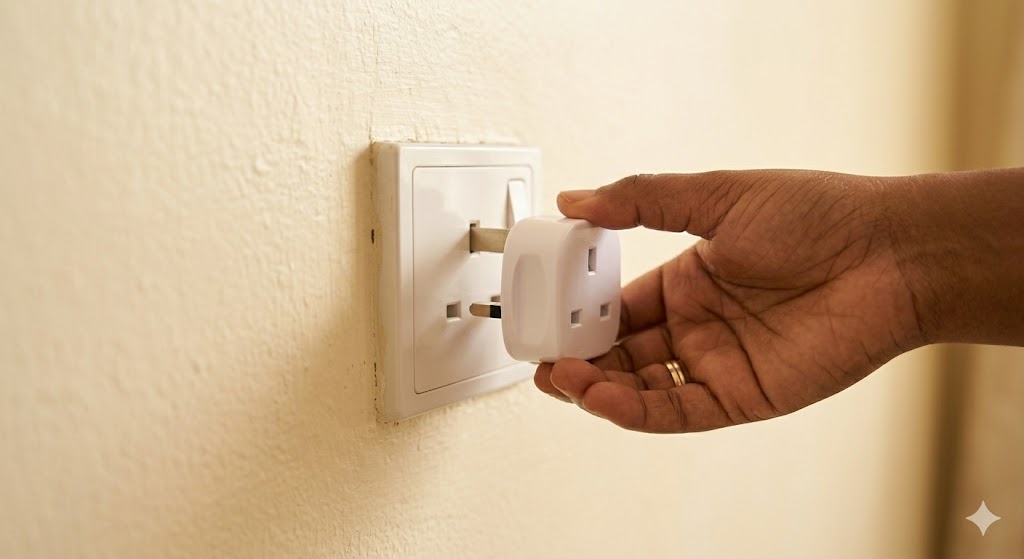
Securing top-heavy furniture like television stands, putting plastic covers on low power sockets, and keeping phone charging cables out of reach takes care of the biggest threats.
These do not destroy the look of a living room. They blend into the background, ensuring the home remains an adult-friendly space while quietly protecting the little ones as they move around.
Creating active and designated zones
The easiest way to child-proof a home is through clever zoning. Instead of making the entire house a no-go area, parents can set up specific spaces where children have freedom.
For example, leaving one low kitchen cabinet unlocked and filling it with plastic containers and wooden spoons satisfies a child’s curiosity. It keeps them happy and away from the dangerous drawers where knives and matches are kept.
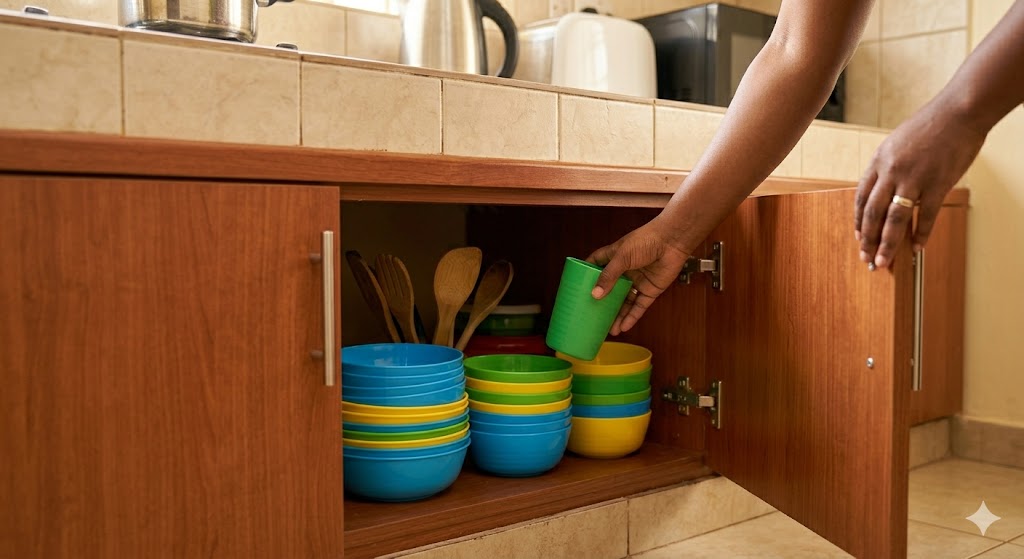
This method focuses on real domestic risks rather than creating an over-restricted environment. According to a study published by MDPI, data shows that a high-risk “home environment posed a high risk of unintentional injuries” for many families, proving that targeted changes are necessary.
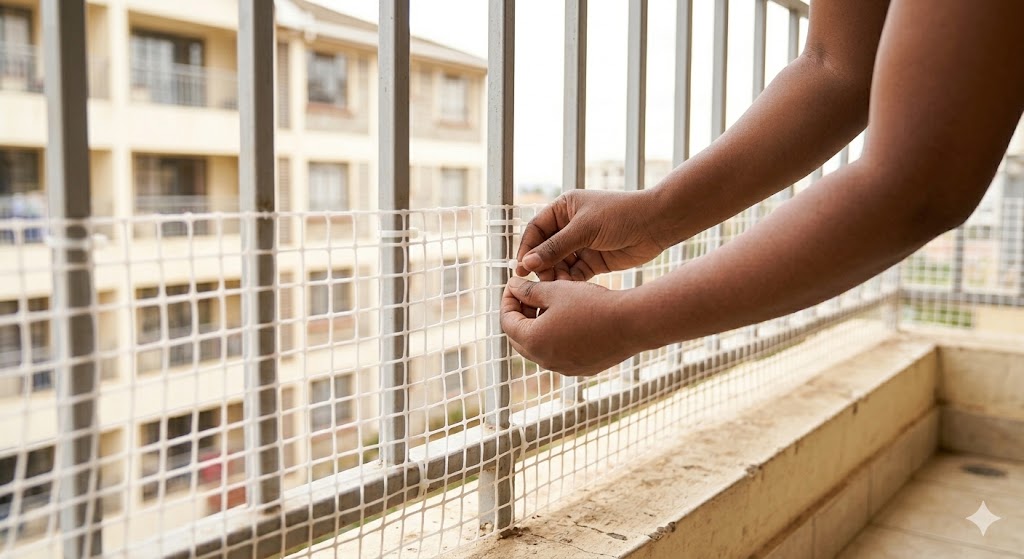
Spending about Sh500 on simple cabinet latches and window guards goes a long way. By focusing strictly on high-risk areas like balconies, slippery bathroom floors, and chemical storage, parents can keep the home elegant for adults and yet still perfectly safe for children throughout the holiday season.