Advertisement
How to keep your child reading during the school term, not just on holiday
05th May, 2026 03:46 PM
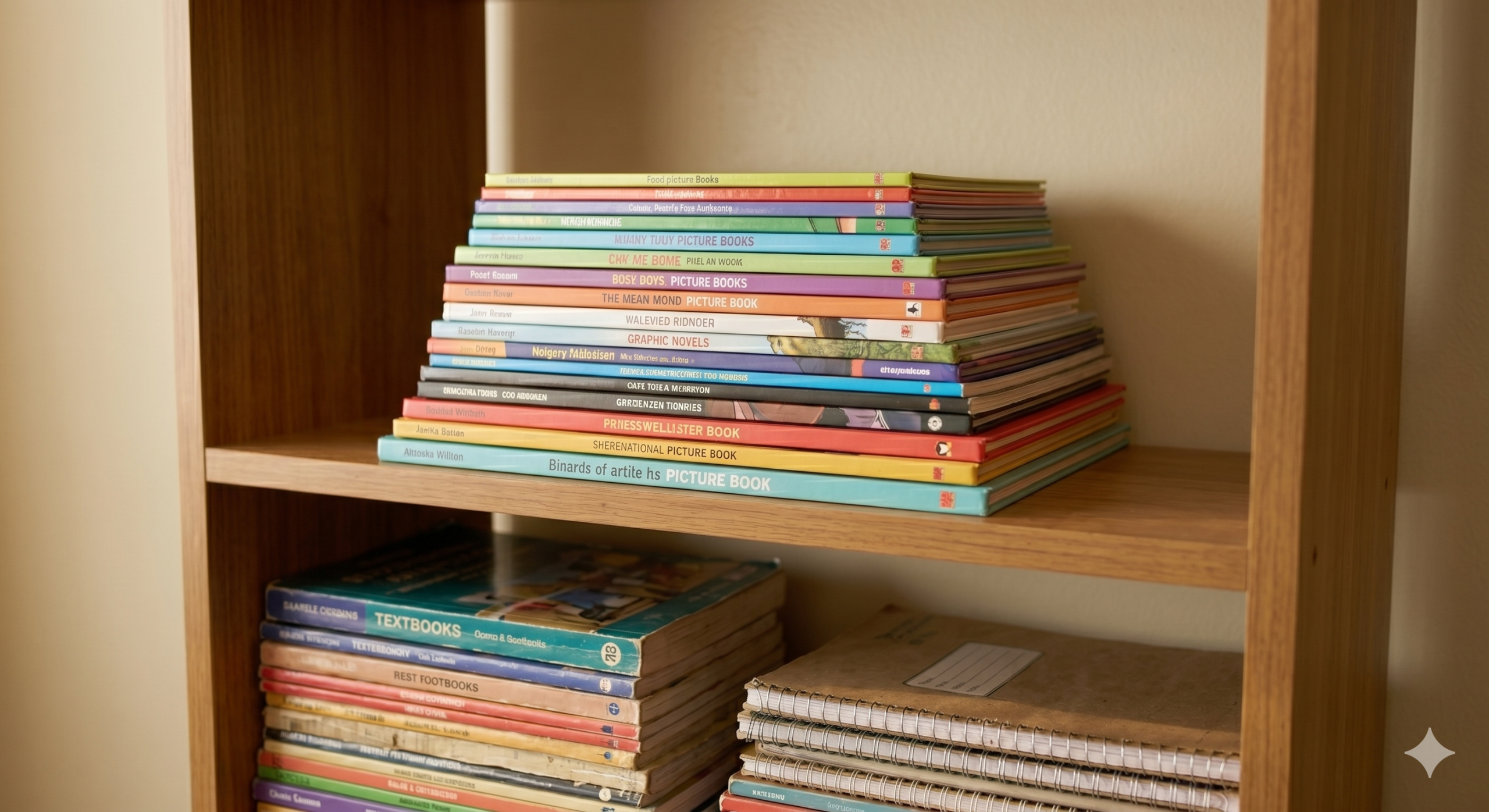
There is something almost magical about a child lost in a book. But the moment the school term begins, that magic tends to quietly disappear – swallowed up by homework, activities, WhatsApp groups and the endless scroll of YouTube.
The good news is that keeping your child reading during the term is entirely doable, and the reasons to make it a priority are stronger than most parents realise.
A 2023 study published in Psychological Medicine by researchers from the universities of Cambridge, Warwick and Fudan followed more than 10,000 young adolescents in the United States and found that children who read for pleasure early in life perform significantly better on cognitive tests and have lower rates of anxiety and depression going into their teenage years.
The researchers even identified a sweet spot: roughly 12 hours of reading per week (about an hour and a half a day) was the amount most strongly linked to better brain development and mental health outcomes.
Lead researcher Professor Barbara Sahakian described the findings, saying that “reading is linked to important developmental factors in children, improving their cognition, mental health, and brain structure, which are cornerstones for future learning and well-being”.
You do not need to hit 12 hours a week for it to count. Even 20 minutes a day, consistently, builds something real.
Make it a treat, not a task
The biggest obstacle to term-time reading is not time; it is attitude.
If a child only ever reads because a teacher said so, they will likely stop the moment no one is watching. The fix is to keep pleasure reading completely separate from schoolwork in your child’s mind.
Let them choose their own books, no matter how silly or simple the choice feels to you.
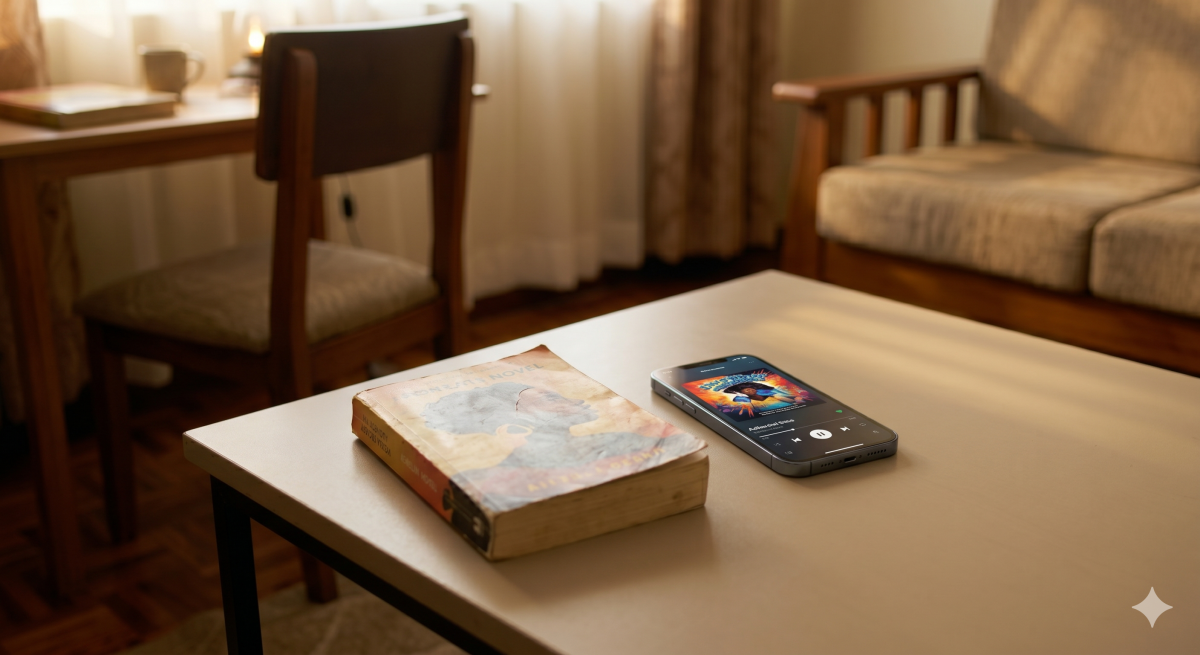
A child who picks graphic novels, football magazines or a mystery series they have already read three times is still reading – and they are doing it willingly. That willingness is everything.
Children who feel ownership over what they read are far more motivated to stick with it.
Keep books visible around the house. On the kitchen table, the sofa, the backseat of the car. A book that lives out of sight tends to stay out of mind.
And set a short, consistent reading window each day: even 15 to 20 minutes after dinner, before the phone comes back out, builds a habit that compounds quietly over months.
Reading does not have to look one way
Not every child will sit down with a novel, and that is perfectly fine. Audiobooks, graphic novels, children’s magazines and even well-written long-form articles all exercise the same reading muscles.
The format matters far less than the consistency.

Reading alongside your child also makes a real difference. Not reading to them, but with them, each with your own book.
When children see a parent genuinely absorbed in something, it signals that reading is something adults actually value, not just something children are made to do.
Libraries are another underused resource. A Saturday morning visit can become a weekly ritual your child genuinely looks forward to, especially if you let them leave with whatever they want.
The school term will always be busy. But 15 minutes with a book your child loves beats zero, every time, and the research is clear that those minutes add up in ways that matter long after the term ends.