Advertisement
Home safety upgrades worth making right now
21st May, 2026 01:34 PM
There is a rude awakening that comes with spending more time at home. It forces you to look at the state of your household.
You start to notice the things you have been walking past for months: the front door lock that does not quite catch, the smoke alarm above the kitchen that has not been tested since you moved in, the fridge shelf where leftovers go to quietly expire.
When life slows down, the house speaks up.
Start with your entry points
If your front door relies on a single-lever handle or a basic padlock, it is worth upgrading to a deadbolt.
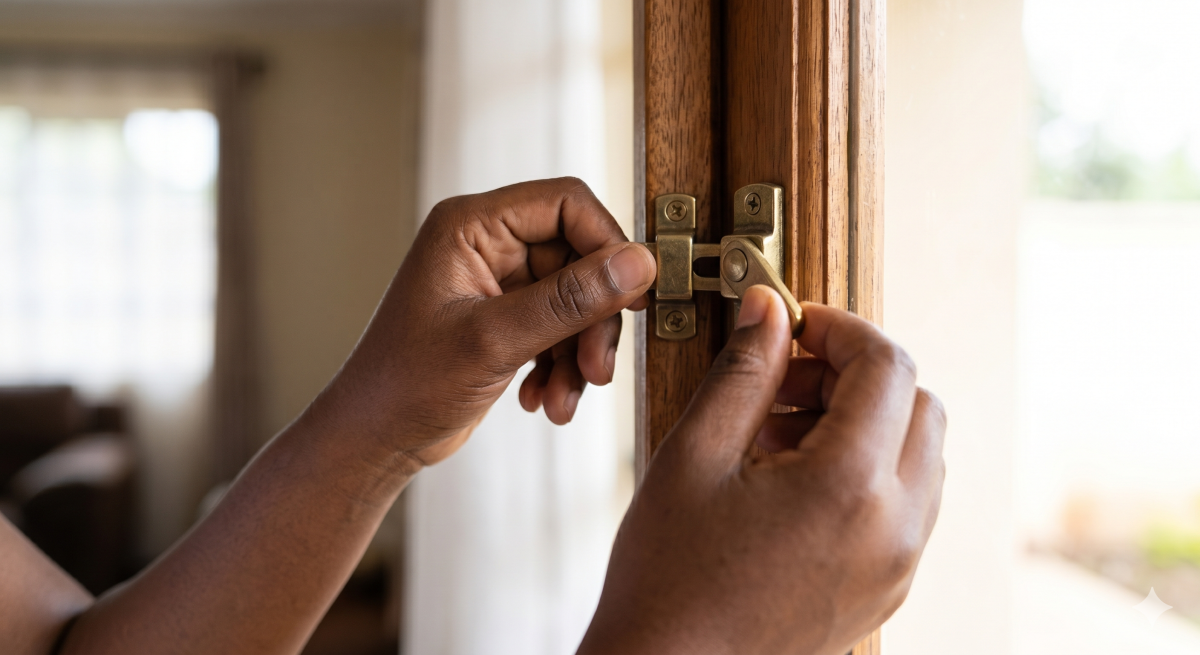
A deadbolt is significantly harder to force open and costs relatively little at a hardware store. While you are at it, check that ground-floor windows latch firmly, especially those at the back of the house where foot traffic is low.
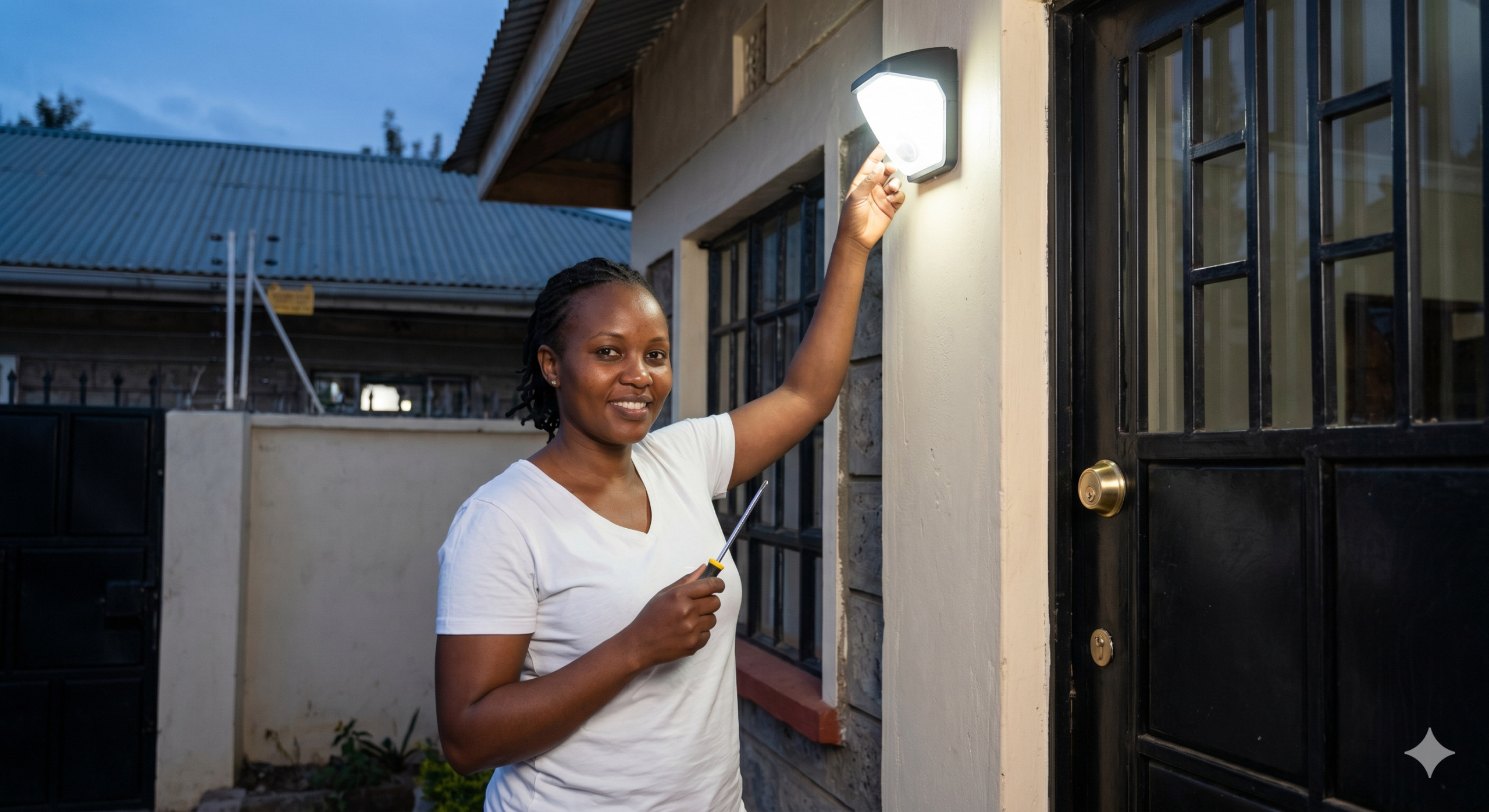
A motion-activated bulb at your entrance is a small addition that does double work: it deters unwanted visitors and stops you fumbling for your keys after dark.
Fire safety, water, and the fridge
A smoke alarm is only useful if it is working.
A peer-reviewed publication found that “mounting evidence suggests that smoke alarms play a key role in reducing the number of deaths and injuries associated with household fires each year” – but only where those alarms are properly maintained.
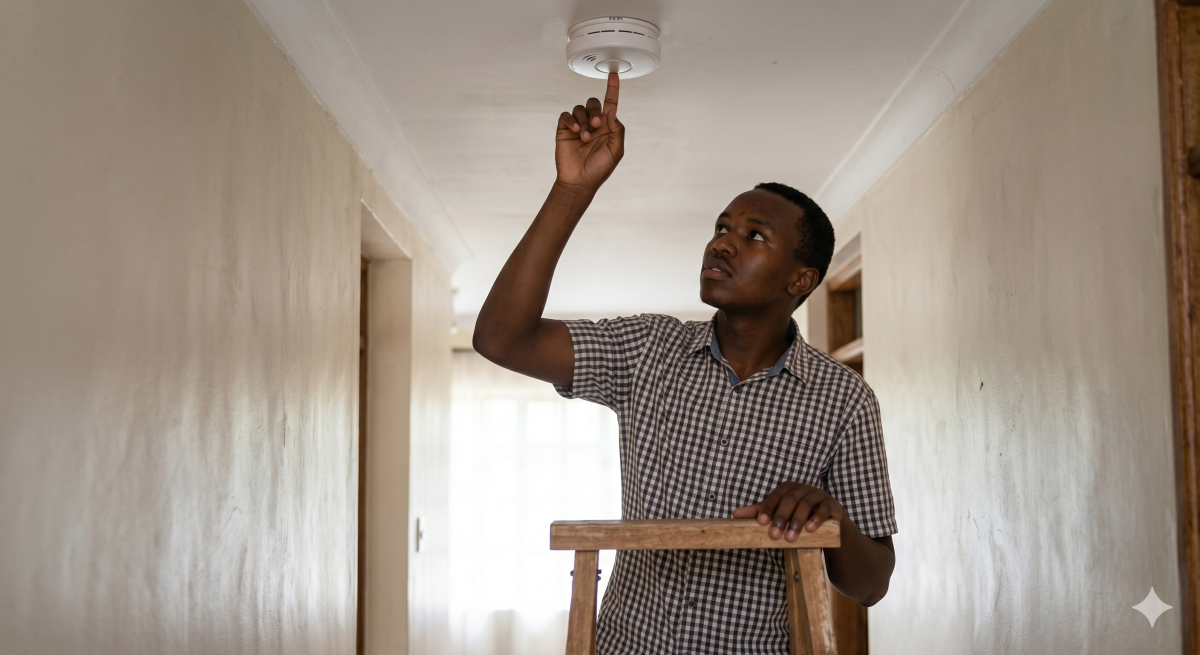
Test yours by pressing the test button. If the batteries have not been changed in a year, change them now. Any alarm over ten years old should be replaced entirely.
Clean water access is another area that tends to get overlooked. If you are unsure about your supply, a basic tap filter or a sealed storage container is a practical and inexpensive starting point, particularly in homes with older plumbing.
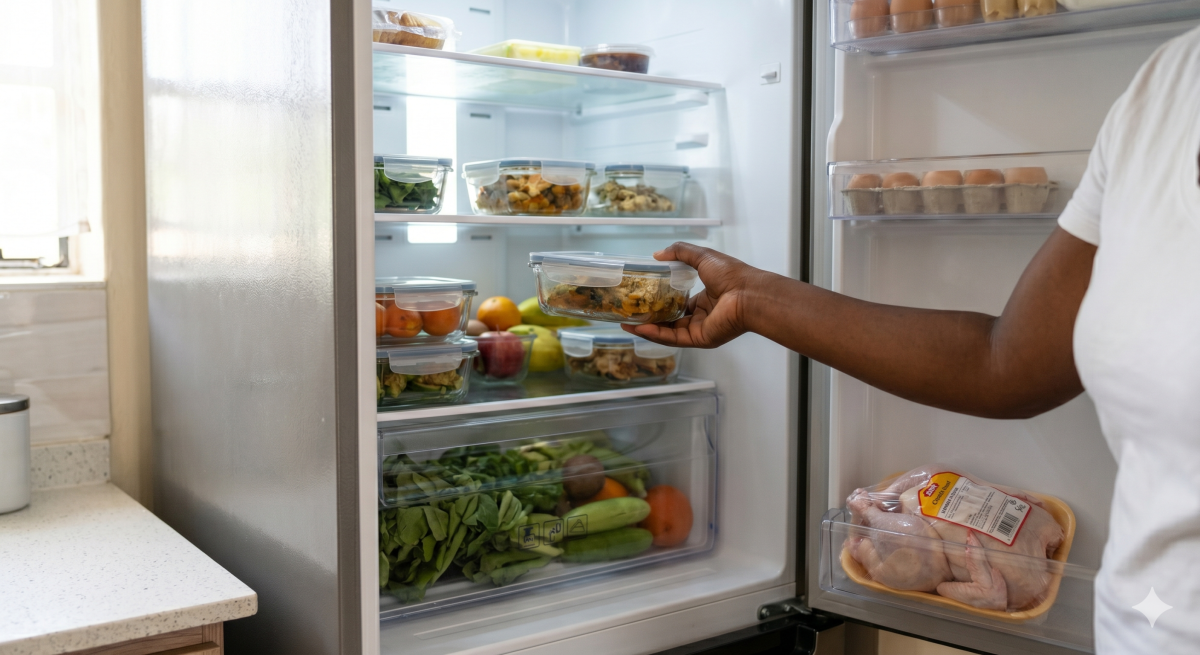
Food storage matters more than most people realise.
Research published in the journal Foods found that “a high incidence of foodborne diseases occurs in the home setting because consumers adopt inappropriate preparation, consumption, and storage procedures.”
The fix is simple: cooked food goes into airtight containers and into the fridge within two hours, raw meat on the bottom shelf to prevent drip contamination, and anything past its date out of the house.
None of these changes are complicated. Together, they turn a home you have been living in into one you can actually rely on.