Advertisement
How to keep siblings from fighting during the holiday
30th July, 2026 10:54 PM
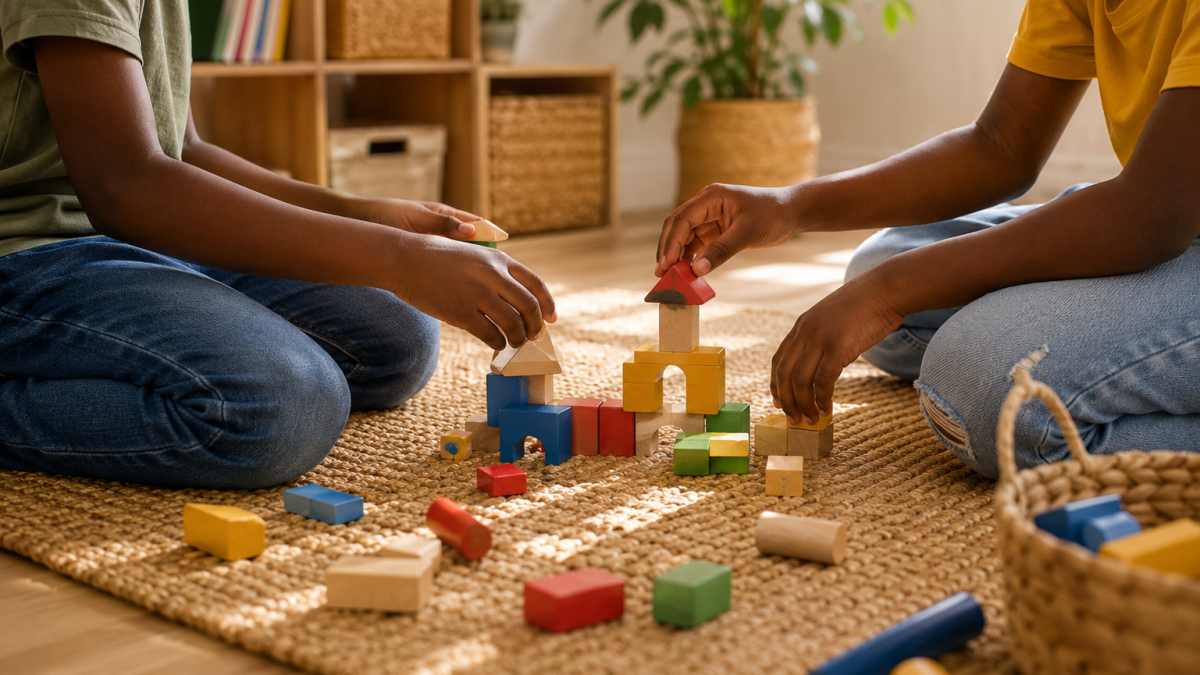
The truth is that sibling rivalry is completely normal. Brothers and sisters spend more time together during the holidays than at any other time of the year. They compete for attention, space, toys and sometimes even the biggest slice of watermelon. The goal is not to eliminate every disagreement because that is impossible. Instead, parents can help children learn how to argue less, solve problems better and enjoy each other’s company a little more.
Here are five practical ways to keep sibling squabbles under control throughout the holiday.
Give every child a chance to have their own space
As much as siblings love each other, spending every waking hour together can become exhausting. Adults enjoy quiet moments alone, and children need them too.
Create opportunities for each child to have personal time every day. One can read a story while another draws pictures, builds with blocks or plays outside. If they share a bedroom, encourage each child to have a small corner or activity that belongs to them.
Giving children space does not weaken their relationship. In fact, it often strengthens it. When they are not constantly in each other’s faces, they are more likely to enjoy playing together later instead of looking for reasons to argue.
Sometimes the quickest way to stop a fight is simply to let everyone breathe for a while.
Stop playing referee in every little disagreement
Parents naturally rush over when they hear shouting. Before you know it, both children are talking at the same time, each determined to prove they are the innocent victim.
While serious conflicts need adult intervention, many small disagreements do not.
Instead of immediately deciding who is right, encourage children to explain what happened and come up with a solution together. Ask questions such as, “What do you think would make this fair?” or “How can both of you enjoy the game?”
This teaches children that not every disagreement needs a judge. They begin learning negotiation, compromise and empathy instead of expecting Mum or Dad to settle every tiny argument.
Of course, if someone is being hurt, bullied or repeatedly treated unfairly, parents should step in immediately. Safety always comes first.
Create games where they win together instead of against each other
Competition can be fun until it becomes the reason every game ends in tears.
Instead of always organising activities where one child wins and another loses, introduce games that require teamwork. Build a blanket fort together, complete a treasure hunt, bake simple cookies, grow vegetables in the garden or work together on a puzzle.
When children share one goal, they naturally communicate more, encourage one another and celebrate success as a team.
Even simple household tasks can become teamwork challenges. Ask siblings to tidy the living room together before the timer runs out or prepare a picnic together for the family.
The laughter that comes from working side by side often replaces the arguments that come from trying to beat each other.
Be careful not to compare your children
Parents sometimes compare children without even realising it.
Statements like, “Your sister always shares,” or “Why can’t you behave like your brother?” may seem harmless, but they often fuel resentment. Instead of encouraging good behaviour, comparisons make children feel as though they are competing for approval.
Celebrate each child’s strengths individually. One may be kind, another creative, another responsible and another wonderfully funny. Let them know they do not have to be the same to be equally valued.
Children who feel appreciated for who they are are less likely to compete for attention by picking fights with one another.
The goal is not to raise identical children. It is to raise confident individuals who respect each other’s differences.
Catch them being kind
It is easy to notice shouting because it is loud. Kindness, however, is often quiet.
When siblings share toys, comfort each other, solve a disagreement peacefully or work together without being asked, point it out. Tell them you noticed. Smile. Thank them.
Positive attention reinforces the behaviour you want to see more often.
You do not need expensive rewards. Sometimes choosing the family movie, staying up an extra fifteen minutes for a story or hearing a parent say, “I loved how you helped your brother today,” is enough to encourage children to repeat that behaviour.
Children quickly learn that kindness attracts more attention than constant arguing.