Advertisement
Same income, different savings: Why some households build wealth faster
22nd September, 2026 12:31 PM
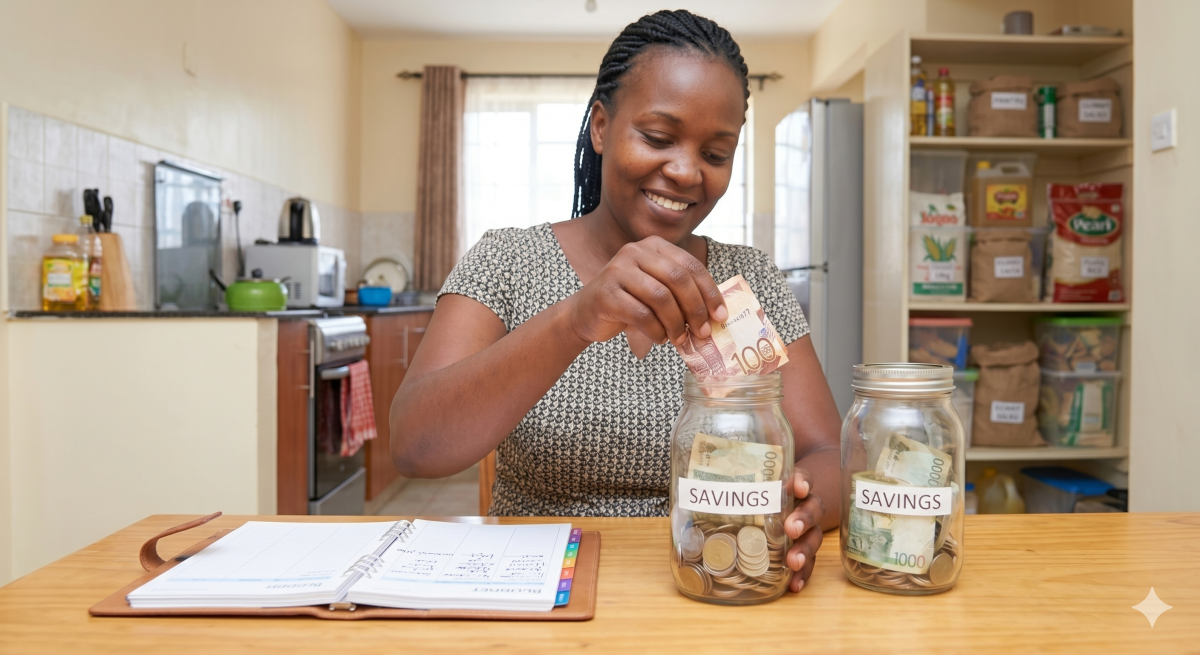
Two households can earn the same income every month but end up with very different savings after a few years.
At first, the difference may be small. One household may save a little more, spend slightly less, or avoid taking on unnecessary debt. But when the same pattern is repeated month after month, the gap can become much larger.
This is why income alone does not determine how quickly a household builds financial security. How money is managed between one payday and the next can also shape the outcome.
Small amounts can create a bigger gap
Building savings does not always start with large amounts of money.
A household that consistently puts aside a small portion of its income can gradually create a financial cushion. Another household earning the same amount may use all its income on expenses and have nothing left when the month ends.
The difference may be only a few thousand shillings each month, but over several years it can become a significant amount.
According to the Federal Reserve’s 2025 report on economic well-being, people who regularly had money left over at the end of the month were more likely to have emergency savings. The report found that 86 per cent of adults who always had money left over had savings to cover three months of expenses, compared with 13 per cent of those who never had money left over.
The household with more financial room
Another difference is how much room a household has after paying for basic needs.
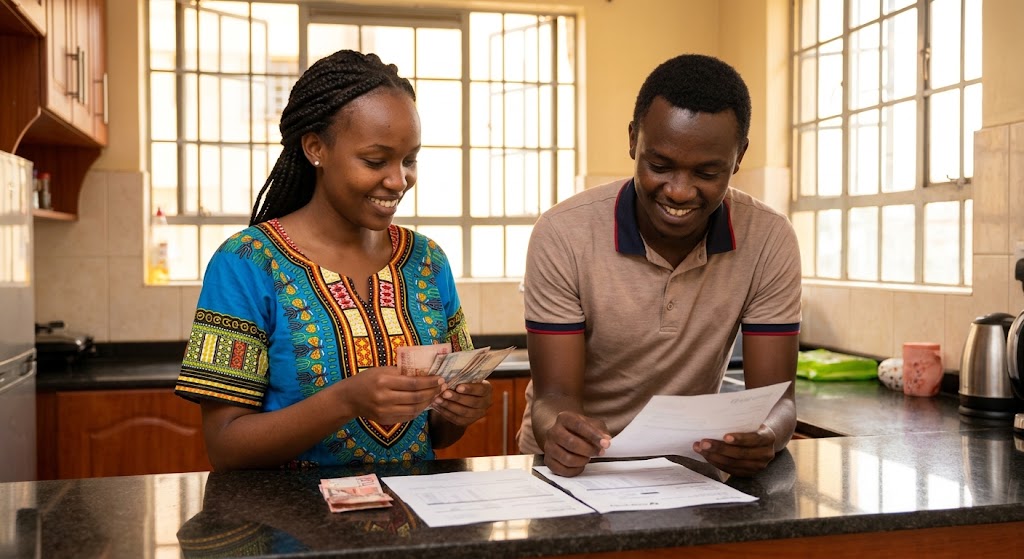
Two households may receive the same income, but one could spend less on housing, transport, food or other regular expenses. This leaves more money that can be directed towards savings or investments.
The extra money does not have to be spent simply because it is available. It can instead be used to build an emergency fund, pay off expensive debt or work towards a long-term financial goal. Over time, having this financial margin can make it easier to deal with unexpected costs without disrupting existing savings.
Debt can slow down progress
Debt can also determine how much of an income remains available for building wealth.
A household with several monthly repayments may have less flexibility than another household earning the same amount but carrying fewer financial obligations.
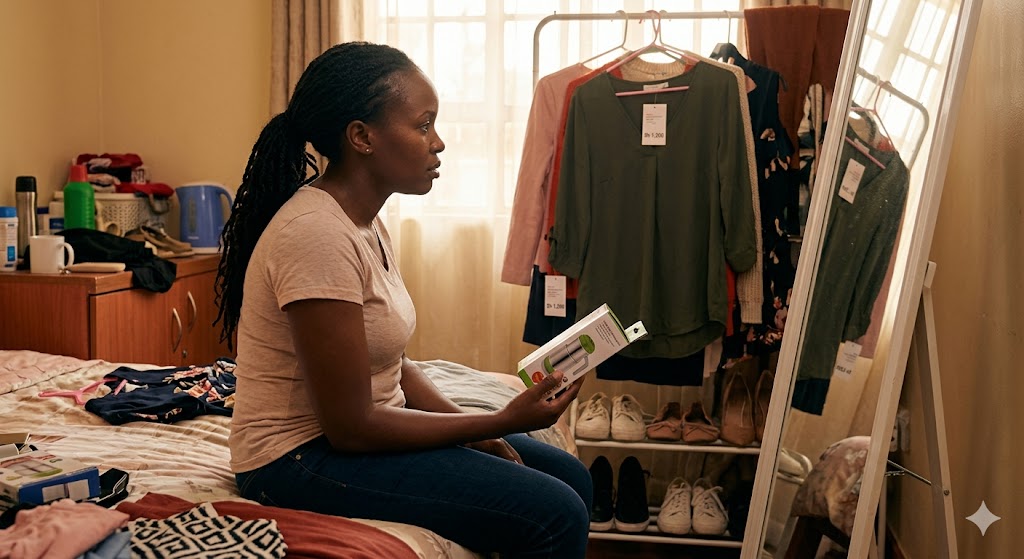
When a large portion of income goes towards debt repayments, there is less room for saving. Unexpected expenses can then create the need for additional borrowing, making it harder to build a financial cushion.
This can create a cycle where more of the household’s future income is already committed before it is received.
Unexpected expenses can widen the gap
The difference between two households can become even clearer when an unexpected expense arrives.
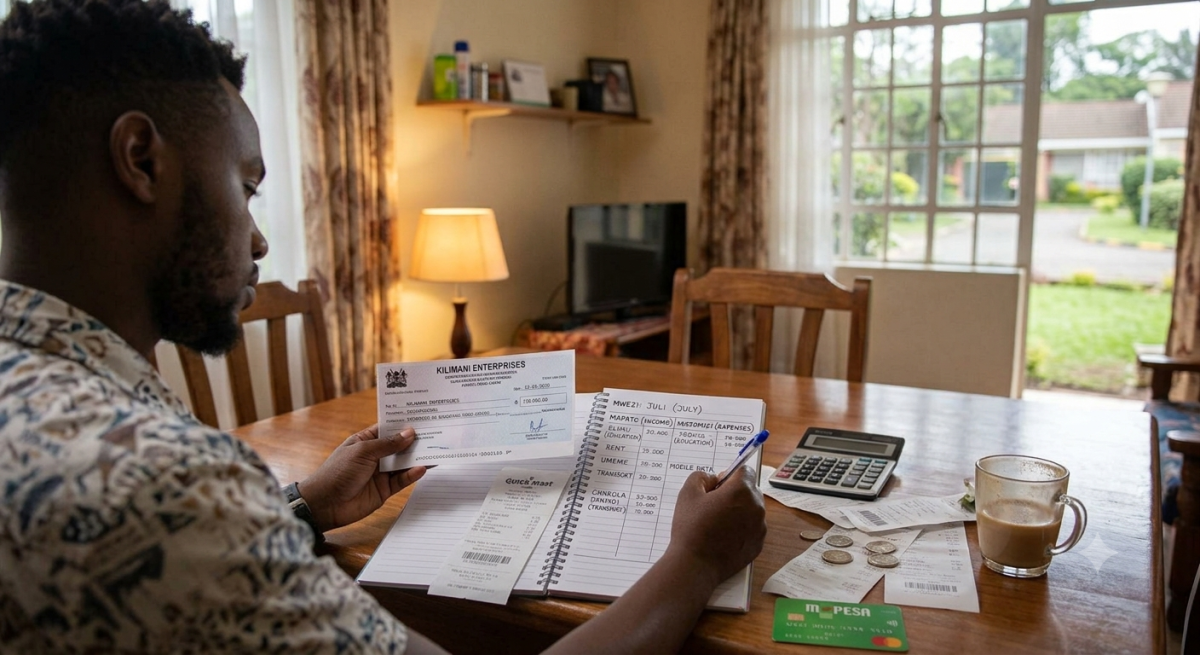
One household may have enough savings to pay for a major repair or medical bill without touching its regular budget. The other may have to borrow money, delay another payment, or use all its available savings.
A household with an emergency fund therefore has more room to absorb such costs without completely starting its savings journey again.
Consistency matters over time
The difference between households is not always caused by one major financial decision. In many cases, it comes from ordinary decisions repeated over a long period.
Saving immediately after receiving income, controlling recurring expenses, limiting unnecessary debt, and keeping emergency money separate can all leave more income available for future needs.
Meanwhile, regularly spending the entire income can leave little room to recover when costs suddenly increase.
This means two households do not necessarily need different salaries to have different financial outcomes. One may simply have more money left after its regular commitments, while the other has less room to save.
Ultimately, building wealth is not only about how much a household earns. It is also about how much of that income remains after everyday life has been paid for and what happens to the money that is left.