Advertisement
Reasons why some people keep money in multiple accounts
21st September, 2026 12:48 PM

For some people, having money in one bank account makes financial management easier. For others, separating money into several accounts offers a simple way to control spending, save for different goals, and keep track of their finances.
Instead of putting their salary and savings in one place, they may have a separate account for everyday expenses, another for emergencies, and another for a specific goal such as buying a car, paying school fees, or planning a holiday.
The idea is not necessarily about having more money. It is about giving each amount a specific purpose.
Keeping spending money separate
One of the main reasons people use multiple accounts is to separate money meant for spending from money they want to save.
When all the money is kept in one account, it can be difficult to know how much is actually available for daily use. A person may see a large balance and assume they can afford to spend more, only to realise later that part of the money was meant for rent, bills, or savings.
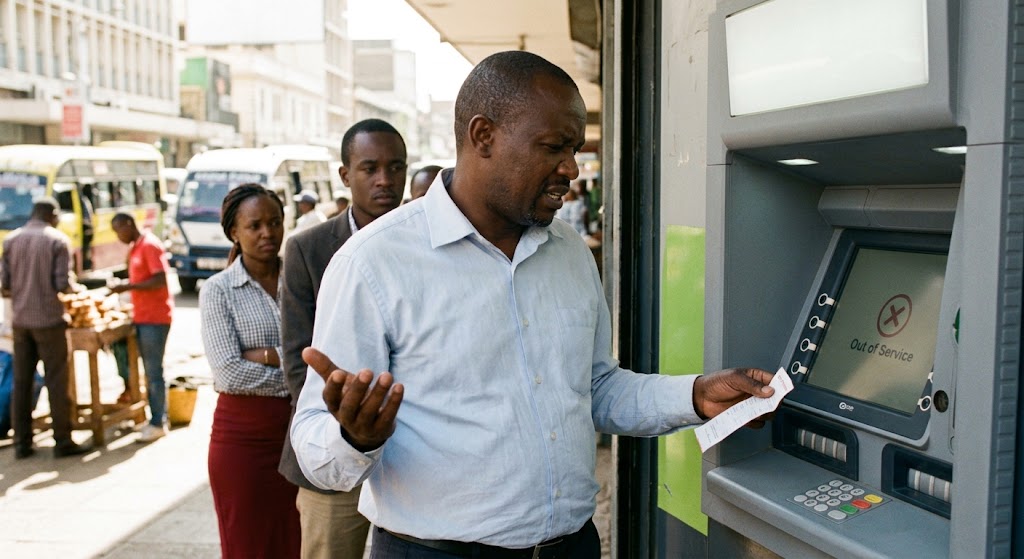
Having a separate account for regular expenses can make this distinction clearer. Money for groceries, transport, bills and other daily needs can remain in one account while savings are kept elsewhere.
According to Experian, separating funds for expenses, spending and different savings goals can help people stay organised and track their progress towards those goals.
Protecting emergency savings
Another reason is to make emergency money less tempting to spend.
An emergency fund is meant for unexpected expenses such as medical bills, urgent repairs, loss of income or other situations that require money without warning. Keeping this money in the same account used for everyday spending can make it easier to dip into the funds.
A separate savings account creates a psychological barrier. The money is still accessible when it is genuinely needed, but it is not sitting alongside the money used for ordinary purchases.
The approach can also help people build a savings habit because they can transfer a fixed amount into the emergency account every month.
Saving for different goals
Multiple accounts can also make long-term goals easier to organise.

Someone saving for a new phone may not want that money mixed with funds set aside for rent or a future business. Another person may have separate savings for school fees, a wedding, a home deposit or a holiday.
Instead of seeing one large savings balance, separate accounts allow each goal to have its own progress.
For example, a person could check one account and immediately know how much has been set aside for an upcoming expense without calculating how much of the total balance belongs to that particular goal.
Taking advantage of different banking options
Some people also spread their money across different financial institutions because different accounts may offer different features.
One account may provide convenient access to money while another may offer better savings terms. Others may prefer keeping everyday banking with one institution and long-term savings somewhere that makes the money less convenient to withdraw.
However, having several accounts also requires discipline. Account fees, minimum balance requirements, and forgotten accounts can gradually eat into savings.
Before opening another account, it is important to understand the charges, withdrawal rules, interest offered, and purpose of the account.
Ultimately, there is no fixed number of bank accounts that everyone needs. One account may be enough for one person, while another may find it easier to manage money by separating different financial responsibilities. The important part is knowing what each account is meant for and regularly checking that the system is helping rather than complicating money management.