Advertisement
How to start a street photography business in Nairobi
17th September, 2026 10:24 PM
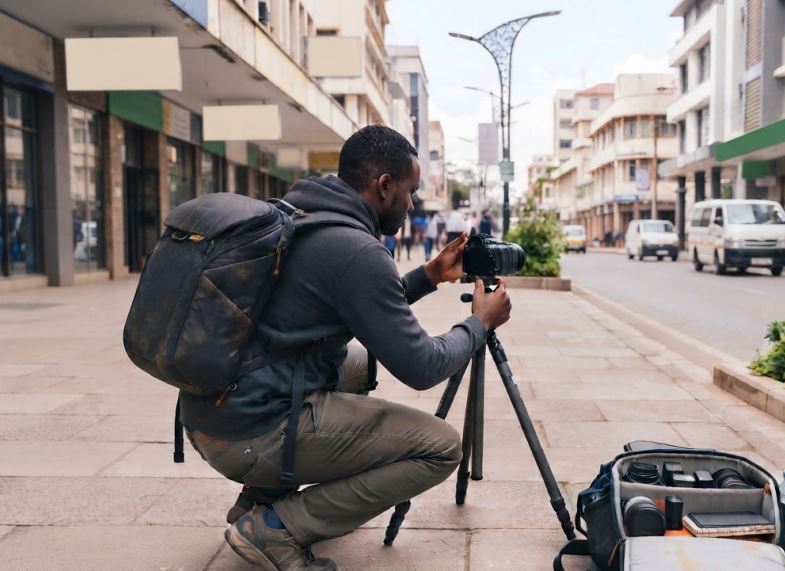
Nairobi’s streets are full of stories. From the smartly dressed office worker rushing through the CBD to friends posing outside a shop, the city offers countless moments worth capturing. All you need is a camera, a good eye and the confidence to approach someone without looking like you are about to ask for a loan.
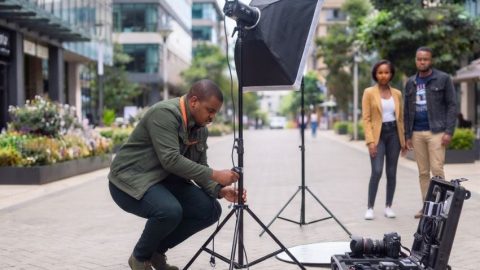
Street photography has become a source of income for creative young people in Nairobi, with photographers using public spaces to capture portraits, fashion shots and memorable moments. The business can start small, but making it sustainable requires more than owning a camera and finding a busy pavement.
Whether you have a professional camera or a capable smartphone, you can build a photography business by understanding your customers, improving your skills and learning how to turn individual pictures into repeat business.
Here are five practical tips for anyone hoping to start a street photography business in Nairobi.
Start with the right equipment, not the most expensive camera
One of the biggest mistakes beginners make is believing they need a camera worth hundreds of thousands of shillings before they can start earning. Good equipment improves image quality, but it does not automatically give you a good eye.
Start with equipment that matches your budget. A decent smartphone can help you practise composition, lighting and portrait photography, while a second-hand DSLR or mirrorless camera can offer greater control as your skills grow.
Useful equipment includes a camera or smartphone, a spare battery or power bank, a memory card and a camera bag. Nairobi’s CBD can be crowded, so avoid carrying equipment you cannot protect. Begin with what you can afford and upgrade when your earnings justify it.
Choose your location and find your customers
Street photography works best when you understand where your potential customers spend time. The CBD attracts office workers, shoppers, visitors and people meeting friends, creating opportunities for different types of photographs.
You could focus on people who want social media portraits, couples looking for photographs or small businesses that need images for their online pages.
Think about what your customer wants to take home. Some people need a quick portrait, while others may want a collection of edited photographs. Understanding this difference helps you offer a service rather than simply taking a picture and hoping someone pays.
Identify locations where photography is permitted, and avoid blocking walkways or disrupting businesses.
Build a portfolio before expecting big money
Nobody knows what you can do until they see your work. A portfolio is one of the most important tools for a new photographer.
Ask friends or willing volunteers to pose for you, and practise taking portraits in different lighting conditions. Explore how a person looks in morning light, under shade and during late afternoon.
Create a collection of your strongest photographs and share them through an Instagram page or WhatsApp Business profile. Your portfolio should show customers what they can expect from you.
Avoid heavily editing every picture until it looks like a different person. Natural-looking photographs will often serve you better than editing that makes everyone look as though they have been dipped in orange paint.
Set your prices and treat photography like a business
Photography can be enjoyable, but enjoyment alone does not pay for transport, equipment repairs or your next meal. You need to understand your expenses and how much you need to earn.
You might offer a single edited portrait, a small package with several photographs or a longer portrait session.
Explain the price before taking photographs. Customers should know how many pictures they will receive, whether editing is included and how they will get the final files.
Keep records of your income and expenses, even when you are starting with a few customers. A simple notebook can show whether your business is growing or whether your money is disappearing into transport, snacks and unplanned equipment purchases.
Respect your customers and protect your reputation
A good street photographer needs more than technical skill. You also need patience, communication and respect for the people you photograph.
Ask for permission when offering someone a portrait service. Explain what you intend to do, where the photograph might be used and how much the service costs. If someone declines, accept the answer and move on.
Be particularly careful when photographing children, vulnerable people or situations involving personal distress. Consider privacy and consent before publishing or selling photographs.
Nairobi Governor Johnson Sakaja announced in September 2026 that the county planned to register street photographers and issue identification badges. Photographers should follow official county updates for the registration process and applicable requirements.