Advertisement
Firstborn pressure: Why being eldest child can shape your adult relationships
22nd September, 2026 12:02 PM
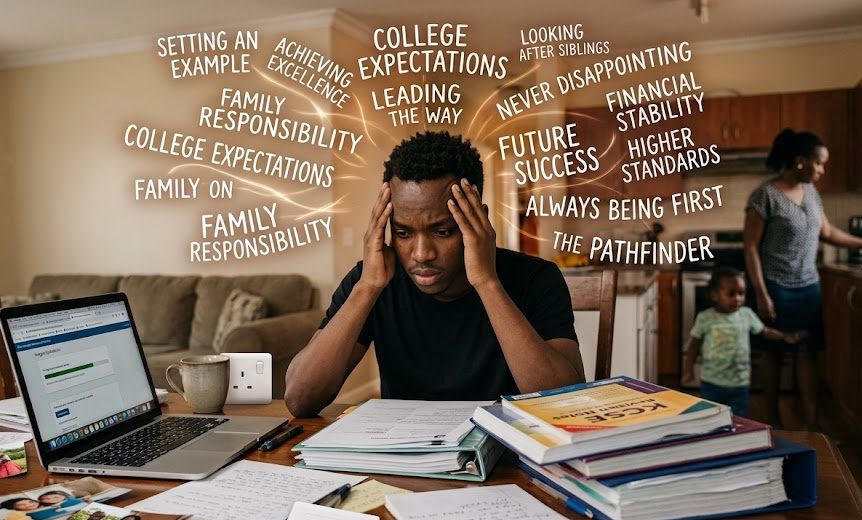
Being the firstborn often comes with expectations that can continue long after childhood. From helping younger siblings to being expected to set an example, eldest children may grow up carrying responsibilities that influence how they approach friendships, work and romantic relationships in adulthood.
While birth order does not determine someone’s personality or behaviour, family expectations can shape the roles children take on as they grow. For some firstborns, being relied upon from an early age can make responsibility feel like a normal part of life.
The pressure to always have it together
Firstborn children are sometimes expected to be responsible, dependable and protective of their younger siblings. They may be the ones parents turn to when there is a family problem or when younger siblings need guidance.
That responsibility can follow them into adulthood. Some may find themselves feeling uncomfortable asking for help because they have become accustomed to being the person others depend on.
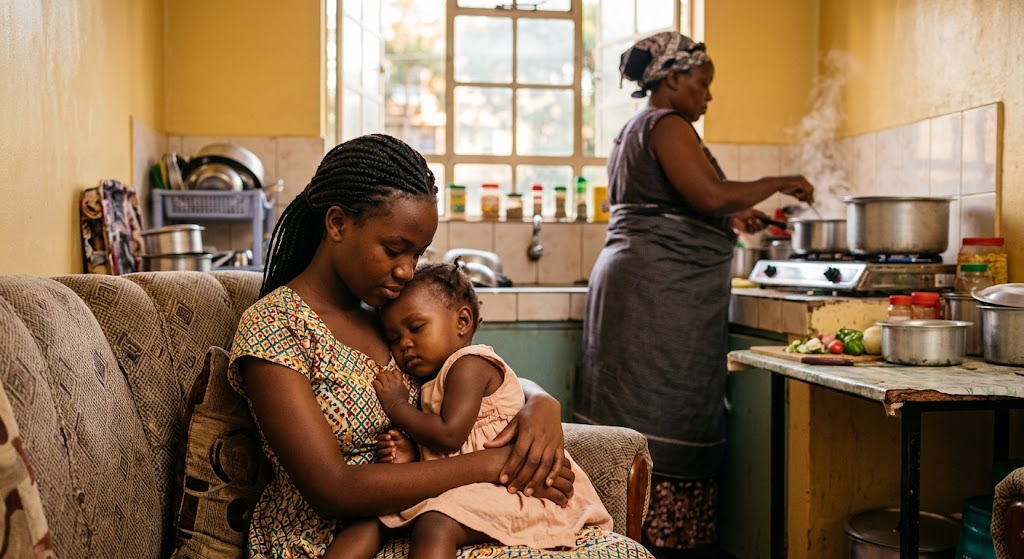
The expectation to set a good example can also create pressure around major life decisions, including education, careers, finances and relationships. A firstborn may feel that mistakes are not entirely their own because younger siblings could be watching.
How it can affect romantic relationships
These expectations can also influence romantic relationships. Someone who has spent years taking care of others may naturally take on a problem-solving or caregiving role with their partner.
While being dependable can strengthen a relationship, constantly feeling responsible for everything can create an imbalance. A person may struggle to delegate, communicate their needs or accept support from their partner.
There can also be tension when family responsibilities extend into a relationship. Supporting younger siblings or helping parents financially may be important to a firstborn, but a partner may have different expectations about how household resources and responsibilities should be shared.
Learning that responsibility does not mean carrying everything
Being the eldest child does not mean someone must always be the strongest person in the family. Healthy adult relationships require space for vulnerability, communication and shared responsibility.
For firstborns, recognising the difference between supporting loved ones and carrying every problem alone can be important. Partners, meanwhile, can benefit from understanding that some behaviours may come from years of family expectations rather than a desire to control the relationship.

Ultimately, birth order is only one part of a person’s upbringing. Family dynamics, culture, parenting and individual experiences all contribute to how someone develops. For firstborns, adulthood can therefore involve learning that being the eldest does not mean having to have all the answers.