Advertisement
Types of cereals that can be eaten for breakfast
06th July, 2026 11:50 AM

A bowl of cereal remains one of the quickest breakfast options for many Kenyan households. From cornflakes served with cold milk to warm oats on a chilly morning, cereals can make breakfast easier for people heading to school, work or early appointments.
However, not every cereal offers the same nutritional value. Some packaged options contain high amounts of added sugar, salt and flavouring, while others are made from whole grains and provide more fibre, vitamins and minerals.
The NHS advises consumers to compare food labels and choose breakfast cereals lower in sugar and salt, especially when buying packaged products.
Choosing a cereal with less sugar and pairing it with milk, yoghurt, fruit or nuts can turn a simple bowl into a more filling morning meal.
Millet porridge for a steady start
Millet porridge remains a familiar breakfast choice in many homes, especially during cold mornings. It can be prepared using finger millet flour, often known as wimbi, and served plain or with milk.
Millet contains fibre, iron, magnesium and B vitamins. Its fibre content can help support digestion and may keep a person full for longer than highly refined breakfast options. It is also a useful cereal for people looking to reduce reliance on white flour products.
For a more balanced meal, millet porridge can be served with boiled eggs, sweet potatoes or a banana. Adding too much sugar, however, can reduce its nutritional value

Cornflakes for a quick breakfast
Cornflakes are among the most common breakfast cereals in Kenyan shops. They are usually made from processed maize and are often eaten with milk, yoghurt or tea.
The cereal provides carbohydrates, which give the body energy for the morning. Many brands are also fortified with nutrients such as iron and B vitamins. Iron supports the formation of red blood cells, while B vitamins help the body release energy from food.
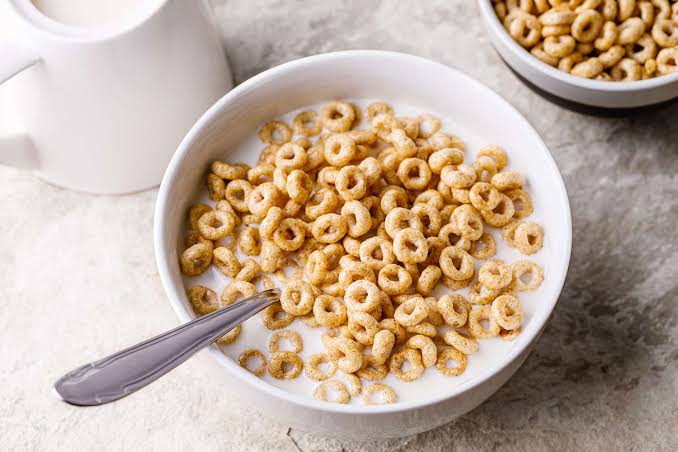
Cornflakes can be made more filling by adding banana slices, pawpaw, berries or groundnuts. It is important to check the label because some varieties contain added sugar, which can make breakfast less balanced.
Weetabix for fibre and fullness
Weetabix is a wheat-based cereal that is widely eaten for breakfast. It is usually served with milk and can be softened with warm milk for children or people who prefer a lighter texture.
Because it is made from whole wheat, Weetabix contains fibre that supports digestion and can help a person feel full for longer. It also contains carbohydrates for energy and may be fortified with vitamins and minerals, depending on the product.
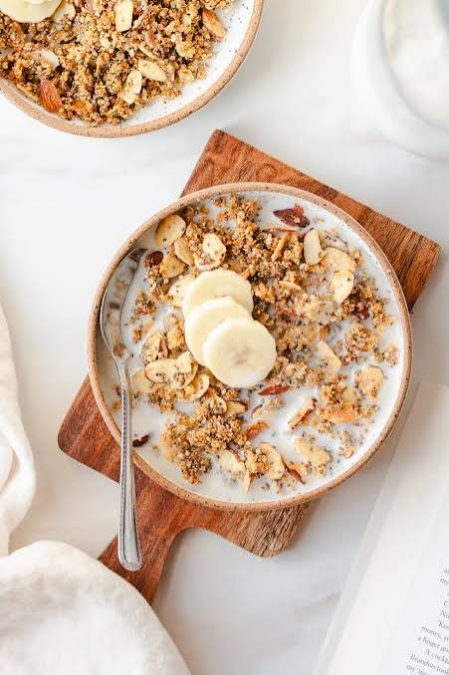
Adding fruit such as bananas, apples or raisins can improve the taste without using too much sugar. A spoonful of peanut butter or a handful of nuts can also add protein and healthy fats.
Oats for a warm and filling meal
Oats are a flexible breakfast cereal because they can be cooked into porridge, soaked overnight in milk or yoghurt, or blended into smoothies. They are often chosen by people who want a breakfast that keeps them satisfied for longer.
Oats contain soluble fibre known as beta-glucan. This type of fibre can support healthy cholesterol levels as part of a balanced diet. Fibre also supports digestion and may help prevent the sharp hunger that can come after eating a sugary breakfast.
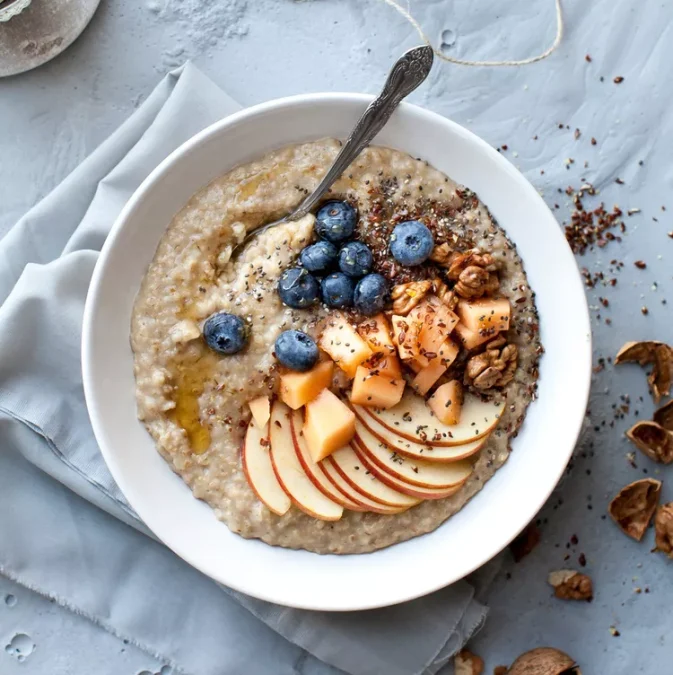
Plain oats are usually a better choice than flavoured instant oats, which may contain added sugar. They can be served with milk, cinnamon, fruit, seeds or groundnuts.
Choosing a better breakfast cereal
When buying cereal, it helps to look beyond the front of the packet. The nutrition label can show the amount of sugar, fibre and salt in each serving. Cereals made with whole grains and containing more fibre are often better choices than highly sweetened options.
Breakfast cereal can be convenient, but it should not be eaten alone every day. Adding milk, yoghurt, eggs, fruit, nuts or seeds can make the meal more balanced and help the body stay energised through the morning.