Advertisement
5 root crop breakfast foods that are surprisingly delicious
23rd June, 2026 12:45 PM
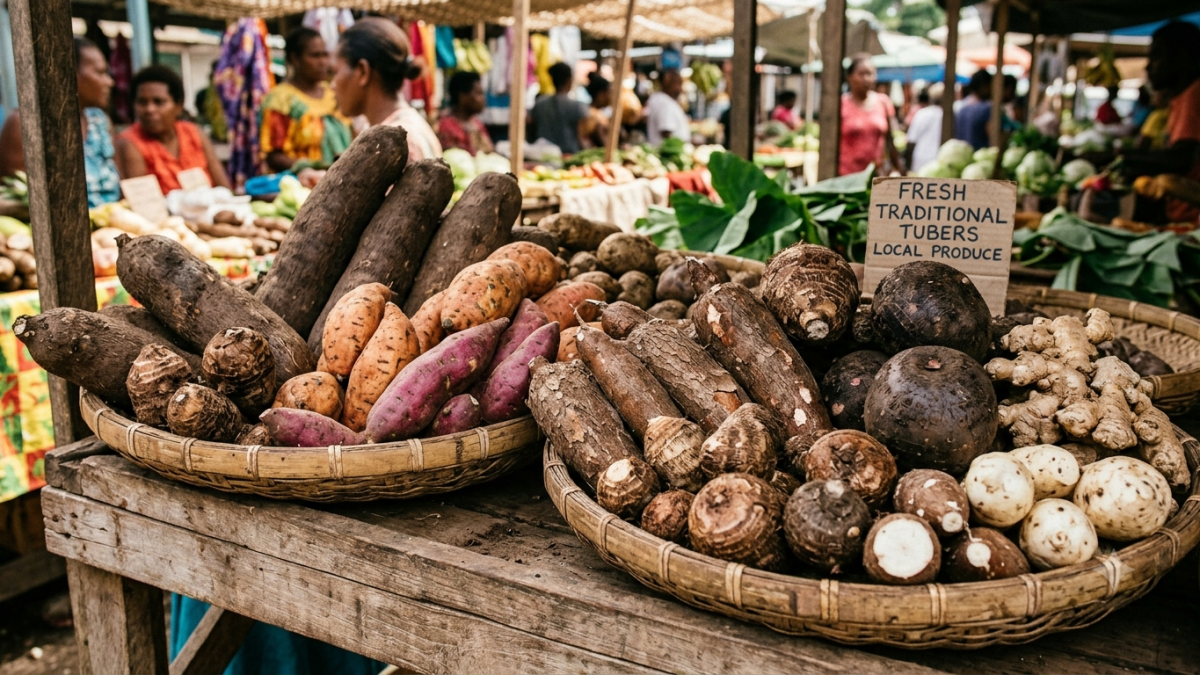
Across many Kenyan households, breakfast is not always defined by bread or processed cereals. In rural and urban settings alike, traditional root crops continue to play a quiet but steady role in morning meals.
These indigenous foods are valued for their availability, simplicity in preparation, and ability to keep one full through the morning. They are often boiled, roasted, or steamed and paired with tea, milk, or light accompaniments.
Sweet Potatoes (Viazi Vitamu)
Sweet potatoes are among the most common breakfast tubers across Kenya. According to the Kenya Agricultural and Livestock Research Organization , sweet potatoes are commonly prepared by boiling them with their skin intact to preserve flavour and nutrients. In some homes, they are roasted in an open fire or baked in charcoal jikos, giving them a smoky taste.
They are eaten plain or with tea, and sometimes paired with peanuts for added protein. Their natural sweetness makes them a preferred morning energy source.
Cassava (Mihogo)
Cassava is a hardy tuber that grows well in many parts of the country, especially in coastal and western regions. The Food and Agriculture Organization notes that cassava must be properly processed through peeling and soaking to reduce bitterness before cooking.
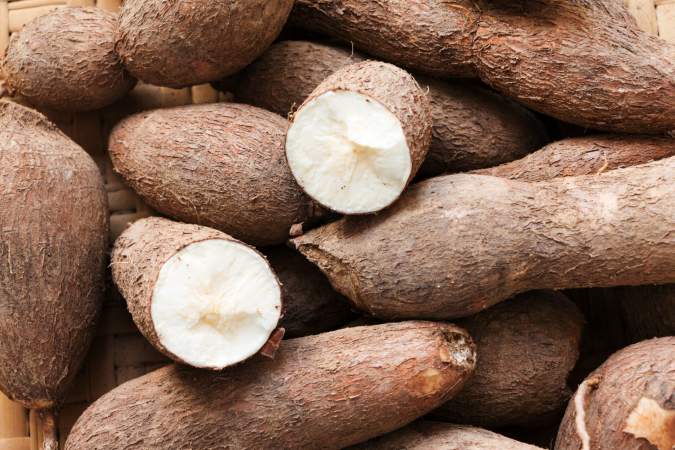
It is then boiled until soft or occasionally fried after boiling. Cassava is usually served with tea or coconut-based accompaniments in coastal areas. It remains a filling breakfast option, especially in households that prefer traditional, gluten-free alternatives.
Arrowroot (Nduma)
Arrowroots are widely enjoyed for breakfast due to their soft texture and mild taste. According to the Ministry of Agriculture, Kenya , arrowroots are typically washed thoroughly to remove soil and then steamed or boiled with their skins on.
Once cooked, they are peeled and served hot. Many households enjoy them with tea or a pinch of salt. In some regions, arrowroots are roasted under hot ash, giving them a slightly earthy flavour that is popular during cooler mornings.
Yams (Ngwashe)
Yams are larger tubers that require longer cooking time compared to others. The World Health Organization highlights yams as a starchy food that provides sustained energy, especially when prepared through boiling or roasting. They are peeled, sliced into chunks, and boiled until soft. In some cases, they are roasted or baked slowly over low heat. Yams are filling and often considered a more substantial breakfast choice, especially for people heading into physically demanding work.
Cocoyam (Taro)
Cocoyam, also known as taro, is another traditional breakfast tuber found in several regions. Cocoyam must be carefully peeled and cooked thoroughly due to its natural compounds that can cause irritation when raw. Once boiled, it has a soft, slightly sticky texture. It is often served with tea or lightly salted water. In some households, it is mashed and mixed with vegetables for a more balanced morning meal.
Traditional tubers continue to reflect Kenya’s rich food heritage, offering simple yet nourishing breakfast options that have stood the test of time.