Advertisement
Toxic Lyrikali chart dominance: Is Kenya witnessing rise of new music giant?
19th September, 2026 01:07 PM
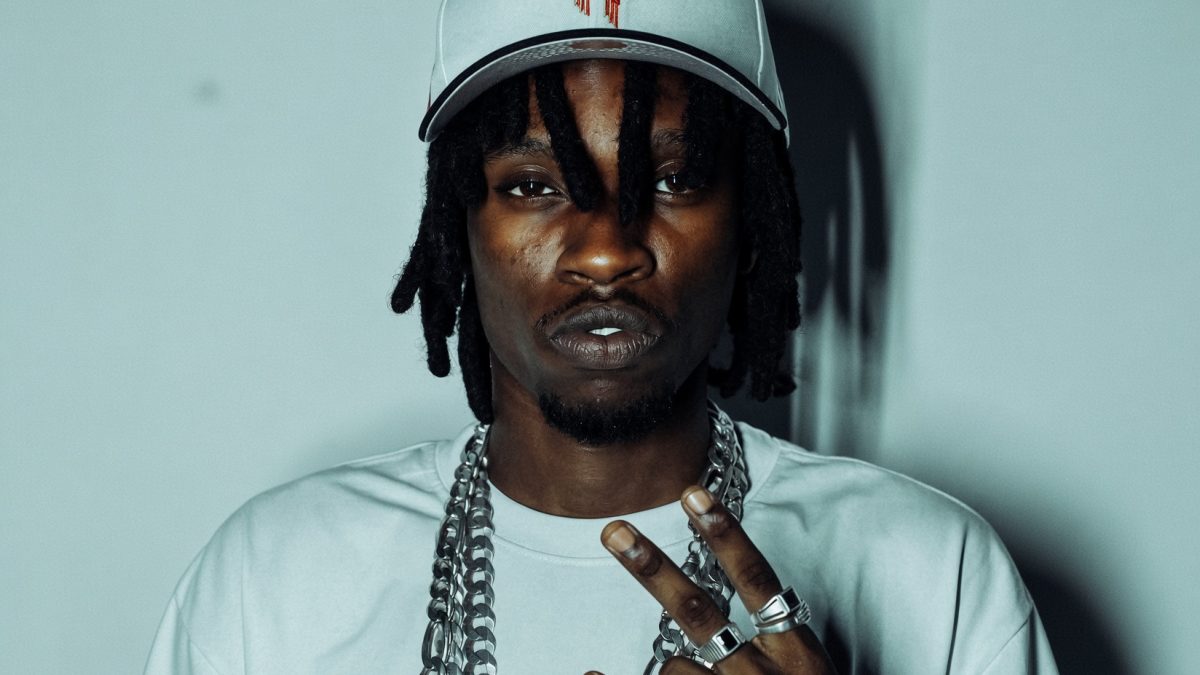
Rapper Toxic Lyrikali has reached a point where the question is no longer whether he can make a hit, but whether his current run places him among the country’s biggest artistes.
At the time of checking on Saturday, September 19, 2026, two songs featuring Toxic Lyrikali occupied the top two spots on Kenya’s YouTube trending music chart. His ‘Hongo Ya Karao Vol. II’, featuring Mauru Gwash and Kapitani, was at No. 1, while Zzero Sufuri’s ‘Otero’, featuring Toxic, was at No. 2.
For an artiste who only released his first song, ‘forgive’, in 2023, the rise has been remarkably fast.
More importantly, Toxic’s success is no longer tied to one viral song. His catalogue keeps producing million-view records, his streaming numbers continue to rise, and even his appearances on other artistes’ songs are attracting significant attention.
The ‘Chinje’ effect
Toxic’s current chart dominance follows the success of ‘Chinje’, which has become one of the defining Kenyan rap songs of the past two years.
On September 16, 2026, ‘Chinje’ crossed 20 million YouTube views, making it the most-watched Kenyan rap song in history.
But ‘Chinje’ is far from being his only major success.
YouTube
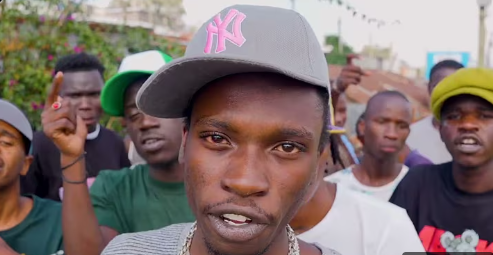
‘Backbencher’ has accumulated about 18 million views, while ‘Thugnificent’ and ‘Sick’ have each passed the 10 million mark. ‘Bud Flowers’ has more than nine million views, ‘Hood’ has crossed seven million, while ‘Confirmation ’, featuring Mr Ree, is approaching five million.
Other releases including ‘Hate’, ‘Step Sana’, ‘Cartman’, ‘Long Story’, ‘Bad Everyday’, ‘Stone’, ‘Jaa Jaa’ and ‘Euphoria’ have also crossed the million-view mark.
The pattern is what stands out.
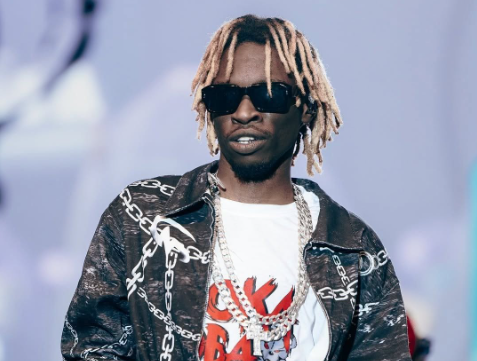
Toxic does not appear to be depending on one record to carry his career. Release after release, his music continues to attract sizeable audiences.
The numbers tell
His YouTube figures underline that consistency.
By September 18, 2026, Social Blade showed Toxic’s official channel with about 551,000 subscribers and more than 145 million lifetime views.
Those numbers place him firmly among Kenya’s most-followed rap artistes on the platform, despite having entered the mainstream only a few years ago.
His streaming growth has been equally striking.
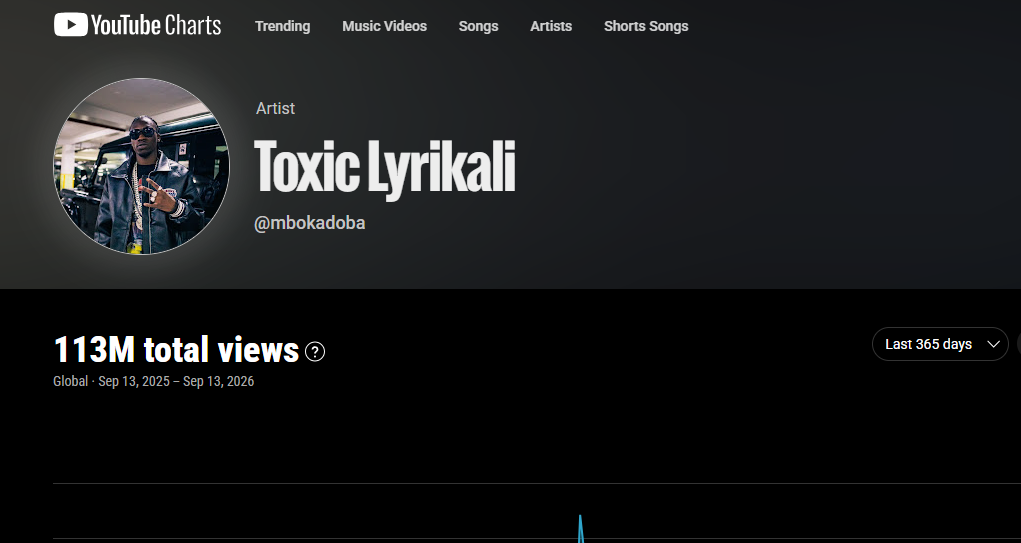
During Spotify’s 2025 Wrapped period, Toxic was reported as the fourth most-streamed Kenyan artiste, behind Bien, Sauti Sol and Wakadinali. He was also named Kenya’s most-discovered artiste on Spotify.
‘Backbencher’ and ‘Chinje’ both featured among Kenya’s top local songs of 2025.
Early 2026 figures then showed Toxic recording a 1,493 per cent year-on-year increase in his Spotify audience.
The recognition has extended beyond streaming numbers. Spotify named him among its artistes to watch in 2026, while Apple Music previously selected him as its Up Next artiste for East Africa.
He also ended 2025 with major industry recognition, winning Best Rapper at the 254 Radio Awards and taking home Best Male Artist and Song of the Year at the Unkut Hip Hop Awards.
Even his features hit
Perhaps the strongest argument for Toxic’s growing influence is what happens when he is not the lead artiste.
‘Otero’ is the latest example.
Zzero Sufuri released the song as an audio track on September 9, and within days it climbed to No. 2 on Kenya’s YouTube trending music chart, with Toxic among the artistes attached to the record.
Earlier in the year, Toxic also teamed up with Mejja on ‘Manifest’, which premiered inside YouTube Kenya’s top five and went on to attract strong attention.
That is an important distinction.
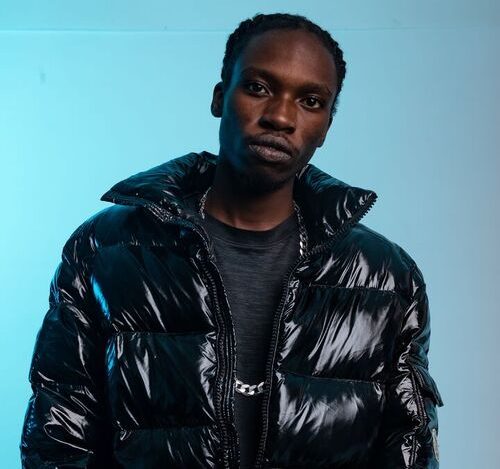
An artiste can have successful songs of their own, but another level of influence is reached when their appearance on someone else’s record can help generate attention for that song.
Toxic’s growing catalogue suggests that his audience is increasingly following him beyond his own releases.
Whether the song is a major production or a relatively low-key collaboration, his name can become part of the reason listeners click.
Is he Kenya’s biggest?
There is no single metric that officially determines Kenya’s biggest artiste.
Spotify rankings measure streaming, YouTube measures video consumption, and charts capture what audiences are listening to at a particular moment. Catalogue size and longevity also matter, particularly when comparing Toxic with artistes who have spent many more years in the industry.
By some of those measures, other Kenyan artistes remain ahead of him.
But the case for Toxic’s current dominance is increasingly built on the sheer consistency of his numbers.
There is also the cultural factor.
Toxic’s music has found a strong connection with young Kenyan listeners through his Sheng-heavy lyrics, street storytelling and frequent releases. His songs have become part of conversations around Nairobi’s estates, social media and the wider Kenyan hip-hop scene.
Author
William Muthama
William Muthama is a digital journalist with a focus on entertainment, human interest, and current affairs. Share stories: [email protected]/ [email protected]
View all posts by William Muthama