Advertisement
How to wear a durag or bonnet properly for overnight hair protection
19th September, 2026 01:38 PM
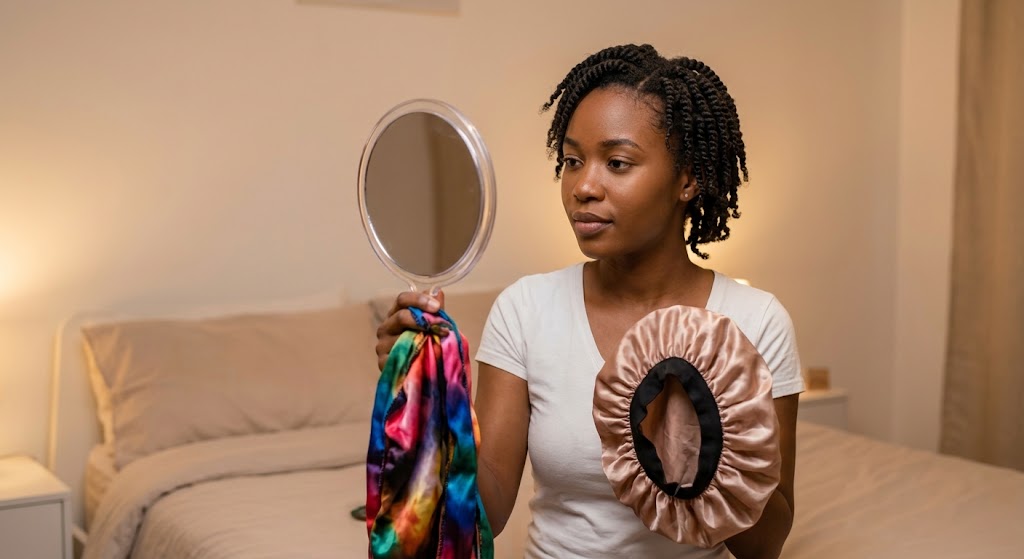
Many people wake up with dry strands, broken edges, or a headpiece that slipped off into the bedding overnight. While wrapping your hair before bed is one of the simplest habits for retaining moisture, doing it incorrectly can cause unnecessary damage.
A few adjustments in fabric choice, placement, and tying tension will keep your hairstyle intact while protecting your scalp.
Choosing the right fabric and positioning
Protecting your hair begins with the material you wear to bed. Standard cotton pillowcases and cheap synthetic wraps absorb natural hair oils and create friction against fragile strands during sleep.
In contrast, silk and satin fabrics offer a smooth surface that allows hair to glide easily while keeping moisture locked inside the hair shaft.
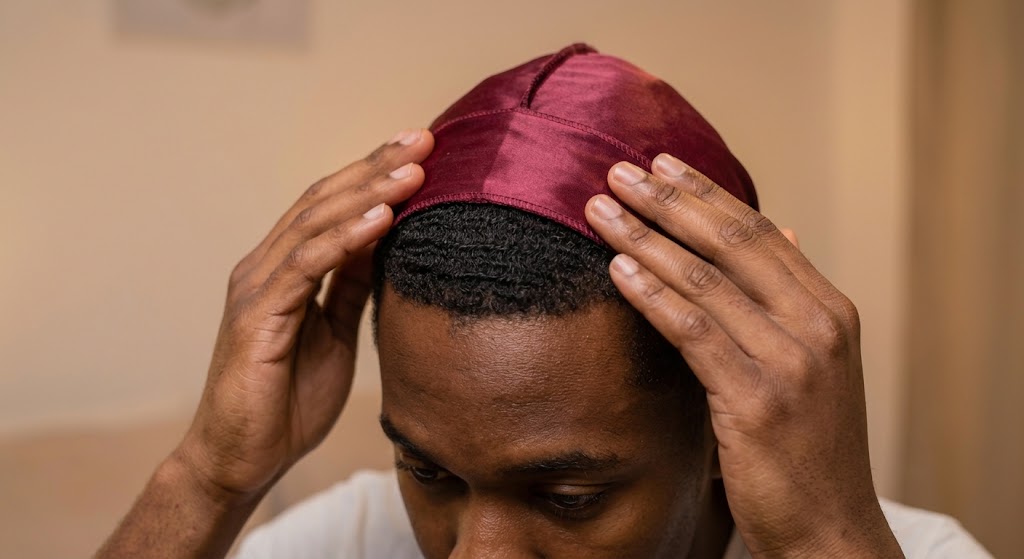
When using a bonnet, gently tuck all your hair inside without crowding the hairline or crushing your style. If you favour a durag, lay the fabric flat across your crown and make sure the centre seam faces outward.
Resting a seam directly against your scalp creates pressure lines and unnecessary friction. The front band should rest flat on your forehead, just below your natural hairline, rather than sitting directly on your fragile edges.
Securing the fit without damaging your hairline
Excessive tension is where most night-time hair care goes wrong. Pulling straps too tightly across your head might keep the wrap in place, but it restricts circulation and pulls at vulnerable hair roots.
Peer-reviewed research published in Skin Appendage Disorders warns that “techniques used for hair style maintenance while sleeping may be a risk factor for traction alopecia” when constant tension is applied to the scalp overnight.
To secure a durag correctly, cross the straps at the back of your head, bring them around to the front across your forehead, and tie a flat knot at the nape of your neck.

Avoid tying knots on your forehead, which causes headaches and localised pressure. For a bonnet, choose an option with an adjustable band or soft elastic that holds securely without leaving deep red marks on your skin.
Finally, pull the back flap of the durag down smoothly to compress your hair before tucking it neatly. With the proper material, light tension, and correct placement, your hair remains healthy and protected until morning.